
DC Fast Charging vs. AC Destination Charging: Which Works Best for Road Trips in the USA?
Electric vehicle (EV) ownership is growing fast in the United States, and so is long‑distance travel with EVs. When planning a road trip, one of the most important decisions you’ll make is how you’ll charge:
- Should you rely mainly on DC fast charging along highways?
- Or plan your route around AC destination charging at hotels, restaurants, and attractions?
Both options can work extremely well in the U.S., but they serve different needs. Understanding their strengths, limitations, and impact on your travel time, budget, and battery health will help you choose the ideal strategy for your trips.
What Is DC Fast Charging?
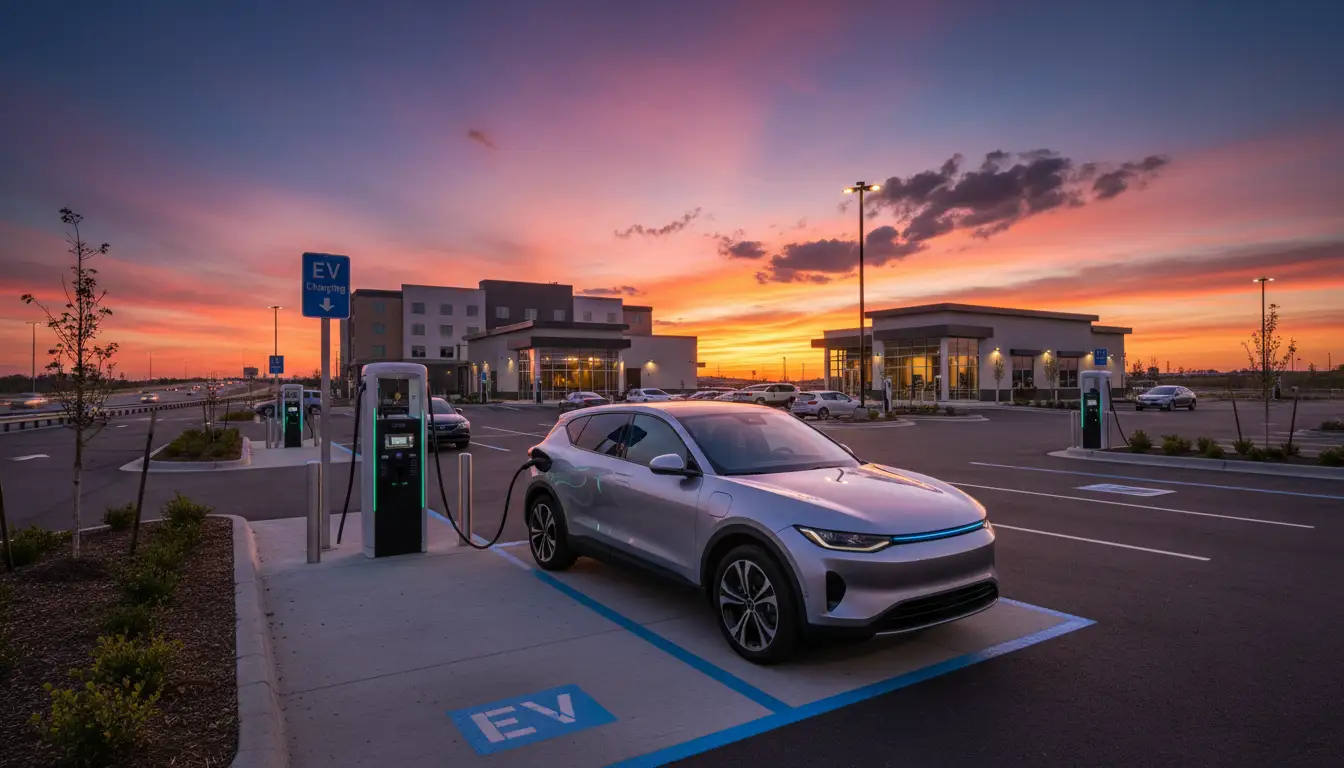
DC fast charging (also called Level 3 charging or rapid charging) delivers high‑power direct current straight to your EV’s battery. These chargers are typically found:
- Along interstate highways
- At major travel plazas and service stations
- In urban fast‑charge hubs
Power levels can range roughly from 50 kW to over 350 kW, depending on the station and your vehicle’s capabilities.
Advantages of DC Fast Charging for U.S. Road Trips
- Speed and convenience
On long highway stretches, time matters. DC fast chargers can add 100–200+ miles of range in 15–30 minutes on many modern EVs. That makes them ideal for:- Crossing states in a day
- Keeping up with tight schedules
- Minimizing downtime between driving legs
- Well‑developed highway networks
In many parts of the U.S., especially along major corridors, you’ll find:- Tesla Supercharger network (for Tesla and, increasingly, compatible non‑Tesla EVs)
- Electrify America, EVgo, and other DC fast‑charge networks
- Flexible trip planning
You don’t need to lock yourself into a specific hotel or destination for charging. If plans change:- You can stop at another fast charger
- Adjust your route based on real‑time needs
- Recover range quickly after unexpected detours
Disadvantages of DC Fast Charging
- Higher charging cost
In the U.S., DC fast charging is usually significantly more expensive per kWh than AC charging. Pricing models vary (per kWh, per minute, or session fees), but overall:- DC fast = premium “fuel on the go”
- AC destination charging = more like “overnight refueling”
- Impact on battery health over time
Occasional DC fast charging is perfectly normal and expected. But frequent, repeated ultra‑fast sessions can:- Increase battery temperature
- Potentially accelerate long‑term battery degradation
- Charger congestion and reliability issues
On busy long weekends or popular routes, you may encounter:- Queues at popular sites
- Out‑of‑service chargers
- Reduced power due to shared cabinets or grid limitations
What Is AC Destination Charging?
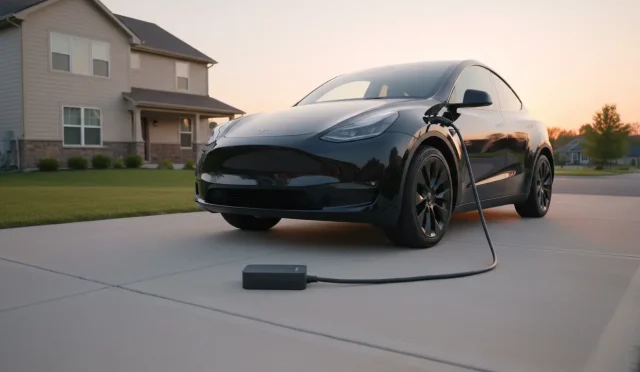
AC destination charging (commonly Level 2 in North America) uses alternating current and a slower on‑board charger in your EV. You’ll often find these chargers:
- At hotels, Airbnbs, and resorts
- At restaurants, wineries, ski areas, and theme parks
- In workplace and city parking garages
Typical power ranges from 6–19 kW, depending on the charger and the vehicle’s onboard charger capacity.
Advantages of AC Destination Charging for U.S. Trips
- Charging while you sleep or explore
The greatest strength of AC destination charging is that it blends into your schedule:- Plug in overnight at a hotel and wake up with a full battery
- Charge slowly while you have dinner or spend the day sightseeing
- Lower cost and sometimes free
Many U.S. hotels and attractions use AC chargers as a guest perk:- Often free or included in your stay
- Or priced at a lower rate than DC fast chargers
- Gentler on battery health
Slower, steady AC charging is usually:- Easier on battery temperature
- Considered healthier for long‑term battery life
- Ideal for regional and leisure travel
If your road trip includes:- Longer stays at national parks
- Multi‑night visits in cities
- Resort or family visits
Disadvantages of AC Destination Charging
- Much slower than DC fast charging
A full charge may take 6–10+ hours, depending on:- Battery size
- Starting state of charge
- Charger power
- Coverage is more irregular
While AC destination chargers are becoming common, they’re not as systematically spaced as highway DC fast chargers. You might find:- Great coverage in EV‑friendly cities and tourist hubs
- Sparse options in rural or budget lodging areas
- Reservation uncertainty
Even if a hotel lists EV charging, you might face:- Limited ports already in use
- Out‑of‑order equipment
- ICEd spots (blocked by non‑EVs)
Which Is Better for U.S. Road Trips: DC Fast or AC Destination Charging?
The best answer for most drivers is a hybrid strategy that uses both methods, leveraging their strengths.
Use DC Fast Charging When:
- You’re covering long interstate distances in a single day
- You have a tight schedule and need quick top‑ups
- You’re driving through areas with strong DC networks but fewer destination chargers
- You’re comfortable paying more for speed and flexibility
On typical U.S. road trips of 400–700 miles per day, DC fast charging keeps your overall travel time similar to a gasoline car, especially if you combine charging stops with:
- Lunch
- Coffee breaks
- Restroom breaks and stretching
Use AC Destination Charging When:
- You’ll spend one or more nights at the same place
- Your route includes tourist destinations, resorts, or urban centers with good Level 2 coverage
- You want to minimize energy costs
- You’re focused on long‑term battery health and convenience
A smart pattern for many drivers is:
- Daytime: Drive and use DC fast chargers as needed
- Nighttime: Plug into AC destination charging so you start each day with maximum range
This combined approach gives you flexibility, cost savings, and peace of mind.
Practical Tips for Optimizing Both Charging Types in the USA
- Plan with multiple apps
Use at least one route planner and a crowdsourced map such as:- PlugShare
- A Better Routeplanner (ABRP)
- Your vehicle or network’s native app
- Charge from 10–80% when using DC fast
Most EVs charge fastest between about 10–60% or 10–80%. Above ~80%, the charge rate often drops sharply. For efficient highway travel:- Take shorter, more frequent fast‑charging stops
- Avoid waiting for the slower final 20% unless you truly need the range
- Book lodging with confirmed EV charging
When possible:- Filter for EV‑friendly hotels
- Call ahead to confirm availability, cost, and connector type
- Ask if they can hold a spot or if there’s a time‑sharing policy
- Have a charging backup plan
Even with careful planning:- A charger might be down
- Someone else might be using it
- Keep cables and adapters handy
For AC destination charging in the U.S., you might encounter:- J1772 connectors (standard for non‑Tesla Level 2)
- Tesla destination chargers (if you have the right adapter or drive a Tesla)
- Standard 120V outlets for emergency trickle charging
Final Verdict: For U.S. Road Trips, Combine DC Fast and AC Destination Charging
For most EV drivers traveling across the United States, the best overall experience comes from combining both charging strategies:
- Use DC fast charging as your primary tool for making distance on interstates.
- Use AC destination charging to refuel cheaply and gently overnight or during long stops.
This blend offers:
- Shorter total travel time
- Lower overall cost
- Less range anxiety
- Better long‑term battery health
By planning around both rapid highway charging and convenient overnight top‑ups, you can enjoy smooth, predictable EV road trips almost anywhere in the U.S.
Amazon Product Suggestion
For smoother U.S. trips, consider a reliable portable Level 2 charger like the Lectron Level 2 EV Charger on Amazon.com. It gives you flexibility to use many 240V outlets at destinations that don’t yet have dedicated EV charging stations.