
Best Portable Power Stations for Caravan and Van Life
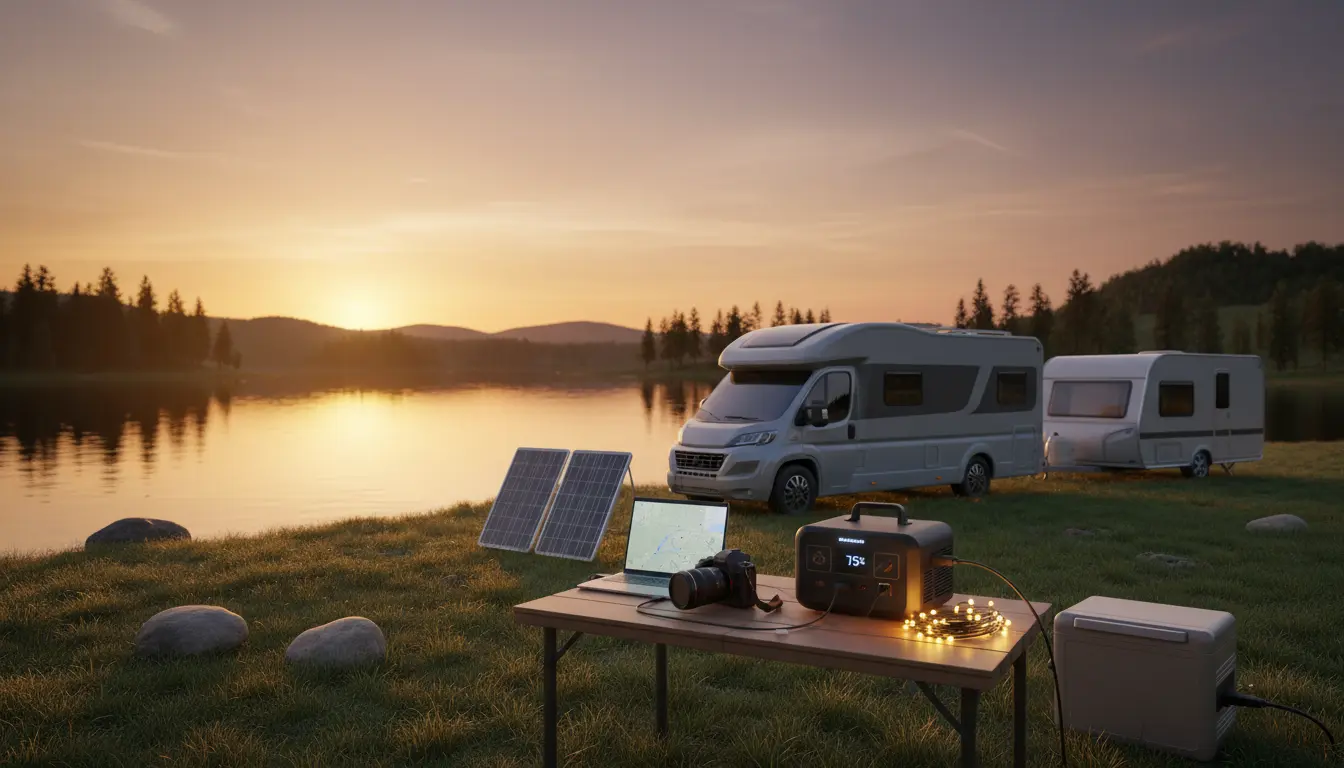
Living in a caravan or van is all about freedom, flexibility, and waking up to new views every day. However, this lifestyle also brings one crucial challenge: reliable electricity on the road. Whether you are working remotely, charging cameras, or running a fridge, the right portable power station can completely transform your off‑grid experience.
In this guide, we’ll explore what makes a great portable power station for caravan and van life, how to choose the ideal model for your setup, and what features truly matter when you are far from traditional power outlets.
Why Portable Power Stations Are Essential for Van Life
For modern digital nomads and travelers, power is almost as important as water. A high‑quality portable power station:


- Keeps your laptop, phone, and camera charged
- Runs essential appliances like 12V fridges, fans, lights, and routers
- Allows you to work remotely without worrying about dead batteries
- Reduces your dependence on noisy, fuel‑burning generators
- Makes your whole off‑grid camper setup quieter and cleaner
Unlike traditional gas generators, portable power stations use large rechargeable batteries (often lithium iron phosphate or LiFePO4) to deliver silent, emission‑free energy. This makes them perfect for stealth camping, wild camping areas with noise restrictions, or simply enjoying nature without the constant hum of an engine.
Key Features to Look for in a Portable Power Station
Choosing the best portable power station for caravan and van life is not only about picking the biggest battery. You need a balanced system that matches your power needs, travel style, and budget.
1. Battery Capacity (Wh)
Capacity is measured in watt‑hours (Wh) and tells you how much energy the battery can store. The more watt‑hours, the longer you can run your devices. For example:
- 300–500 Wh: weekend trips, light use (phones, small lights, small laptop)
- 500–1000 Wh: regular van use, small fridge, fans, routers
- 1000–2000+ Wh: full‑time van life, multiple devices, power tools, larger appliances
Estimate your daily consumption by listing your devices and how many hours you use them. Then choose a power station with at least 20–30% more capacity than you think you need. This buffer is invaluable on cloudy days or longer off‑grid stays.
2. Inverter Power (W)
The inverter determines how much continuous AC power the station can deliver to devices like laptops, TVs, or coffee makers.
- 300–600 W: basic electronics
- 600–1200 W: mini coffee makers, small kettles, projectors
- 1200–2000+ W: power tools, induction cookers (short bursts), larger appliances
For van and caravan living, aim for at least 600–1000 W continuous output, with a higher surge rating for starting devices that require a short power spike.
3. Battery Chemistry and Lifespan
Most modern units use either Li‑ion (NMC) or LiFePO4 batteries:
- Li‑ion NMC
- Higher energy density (often lighter and smaller)
- Fewer cycles (around 500–800 full cycles before noticeable degradation)
- LiFePO4
- Longer lifespan (2000–3500+ cycles)
- More stable and safer under high temperatures
- Slightly heavier but ideal for long‑term, full‑time van life
If you plan to live on the road for years, a LiFePO4 power station is usually the better investment.
4. Input Options and Charging Speed
Efficient charging is vital when you are on the move. Look for multiple input methods:
- Solar charging (MC4 or Anderson inputs) for true off‑grid power
- 12V car charging while driving
- AC wall charging when at campsites or friends’ houses
Fast charging is convenient, but extremely high charge rates can slightly reduce battery life over time. A balanced system lets you recharge within 1–3 hours on AC while also supporting steady solar input throughout the day.
5. Output Ports and Compatibility
A versatile portable power station should support all the devices you use in your caravan or campervan:
- Multiple AC outlets (pure sine wave for sensitive electronics)
- Several USB‑A and USB‑C ports (ideally at least one PD 60–100 W for laptops)
- 12V car socket for fridges and pumps
- Regulated DC outputs to ensure stable power to 12V devices
Check that the port layout matches your setup so you’re not constantly swapping cables.
6. Portability and Build Quality
Even in a van, weight and size matter. When you are moving the station in and out of the vehicle or tent, good ergonomics can make a big difference.
- Weight: Under 10 kg is easy to carry; 10–20 kg suits semi‑fixed installations
- Handles: Strong, comfortable handles or wheels help with frequent moving
- Build: Robust casing, protected corners, and solid connectors
For full‑time travel, a rugged, well‑built unit is worth paying a little more for.
Integrating a Power Station into Your Caravan or Van Setup
To get the most from your power station, think of it as the heart of your off‑grid electrical system.
Pairing with Solar Panels
For true independence, combine the station with foldable or roof‑mounted solar panels. A typical setup for van life might include:
- 200–400 W of solar panels
- A 1000–1500 Wh portable power station
- Daily recharging from the sun while you park and explore
This combination allows you to run a fridge 24/7, charge devices, and still have reserve power for cloudy days.
Using It Alongside Your Existing Camper Electrical System
If your caravan already has a 12V system and leisure battery, a portable power station can:
- Act as a backup during high‑demand days
- Provide clean AC power for sensitive electronics
- Offer a removable power source you can use outside the vehicle, in a tent, or at a picnic spot
This flexibility is especially valuable when you want power away from your parked van.
Safety Tips for Using Portable Power Stations in Vans
While modern units are very safe, it’s still important to follow best practices:
- Ensure good ventilation around the power station to avoid overheating
- Keep it dry and away from condensation or leaks
- Use quality cables with the correct gauge for high‑power devices
- Avoid placing it directly under bedding or soft materials that can trap heat
- Regularly check firmware or app updates if the brand offers smart features
Many units come with built‑in protections such as overcharge, overcurrent, short‑circuit, and temperature monitoring, but good habits will extend both safety and lifespan.
Example Use Cases in Real Van Life
To understand how a portable power station performs in the real world, imagine these common scenarios:
- Remote worker in a campervan
Runs a laptop, 4G router, monitor, lights, and a small fan. A 1000–1500 Wh station comfortably powers a full workday plus evening activities, especially when topped up by solar. - Weekend adventurer
Needs to charge phones, cameras, drones, and a portable speaker. A 500–700 Wh station is usually enough for a 2–3 day trip without plugging into the grid. - Full‑time van life couple
Uses a 12V fridge, laptops, cameras, water pump, lights, and sometimes a blender or induction cooker. A 1500–2000+ Wh LiFePO4 station with 300–400 W of solar provides a solid, almost generator‑free solution.
These scenarios show why choosing the right capacity and features upfront saves frustration later.
Recommended Portable Power Station on Amazon
One popular and well‑reviewed option for van and caravan users on Amazon.com is the Jackery Explorer 1000 Plus Portable Power Station (or similar 1000 Wh class LiFePO4 model from a reputable brand).
A unit in this category typically offers:
- Around 1000–1200 Wh capacity
- 1500 W pure sine wave inverter (with higher surge)
- Multiple AC, USB‑A, USB‑C, and 12V DC ports
- Fast AC charging plus efficient solar input
- Long‑life LiFePO4 battery chemistry
This kind of power station hits the sweet spot between portability, capacity, and flexibility, making it an excellent choice for most van life and caravan setups.