
Power Solutions for Seniors Living Alone: A Comprehensive Guide
Independence in older age is a beautiful thing—but it also brings new challenges. Seniors who live alone need safe, reliable, and easy‑to‑use power solutions to stay connected, healthy, and comfortable. “Modern power solutions for seniors living alone, from backup batteries to smart plugs, dramatically improve safety and quality of life at home.”
This guide explains which power products are most useful for seniors living alone, how to choose them, and how to use them safely. It is written in natural, organic language and optimized for search engines, so caregivers and older adults can quickly find the information they need.
Why Power Solutions Matter for Seniors Living Alone
When older adults live alone, any interruption in electricity or access to devices can become a serious risk. A short power outage for a younger person might be inconvenient; for a senior using medical equipment or mobility aids, it can be dangerous.
Reliable power products help to:
- Keep phones and emergency devices charged
- Ensure medical or health‑related equipment keeps working
- Provide safe lighting at night to prevent falls
- Maintain communication during storms or outages
- Support comfort with heating, cooling, and everyday appliances
By choosing the right devices, seniors can maintain their independence while family members gain peace of mind.
Essential Power Solutions for Seniors Living Alone
1. Portable Power Banks for Phones and Tablets
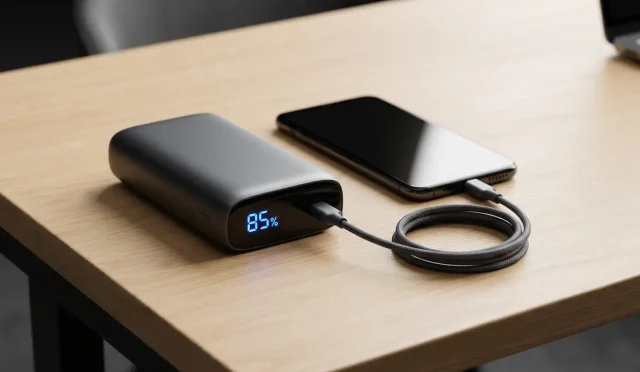
A simple but critical device is a high‑capacity power bank. Seniors use mobile phones to call family, talk to doctors, or contact emergency services. If the phone battery dies during a power outage, communication is lost.
When choosing a power bank for seniors:
- Look for high capacity: 10,000–20,000 mAh or higher for multiple charges.
- Prefer simple designs: One or two ports, clear indicator lights, and minimal buttons.
- Opt for fast charging: So the device can be recharged quickly when power returns.
A dedicated power bank for a phone or tablet can be life‑saving in an emergency.
2. Uninterruptible Power Supplies (UPS) for Critical Devices
For seniors who rely on home medical equipment—such as oxygen concentrators, CPAP machines, or powered recliners—an uninterruptible power supply is one of the most important power solutions.
A UPS provides emergency power when the main electricity fails, giving the user time to safely shut down devices or continue using them for a limited period.
Key features for seniors:
- Automatic switch‑over: No need to press extra buttons when the power goes out.
- Audible and visual alerts: Beeping or lights to signal low battery.
- Enough runtime: Choose a UPS sized for the equipment it will support.
Caregivers should test the UPS periodically and explain how it works in simple terms.
3. Power Strips With Surge Protection
“Many seniors living alone reside in older homes with outdated wiring.” Voltage spikes or lightning strikes can damage appliances and electronics, leading to costly repairs or replacements.
Surge‑protected power strips help to:
- Protect TVs, phones, routers, and small appliances
- Provide multiple outlets in easier‑to‑reach locations
- Reduce the risk of plugging too many devices into a single wall socket
For seniors, choose power strips with:
- Large, clearly labeled switches
- Built‑in overload protection
- Flat or angled plugs to fit behind furniture
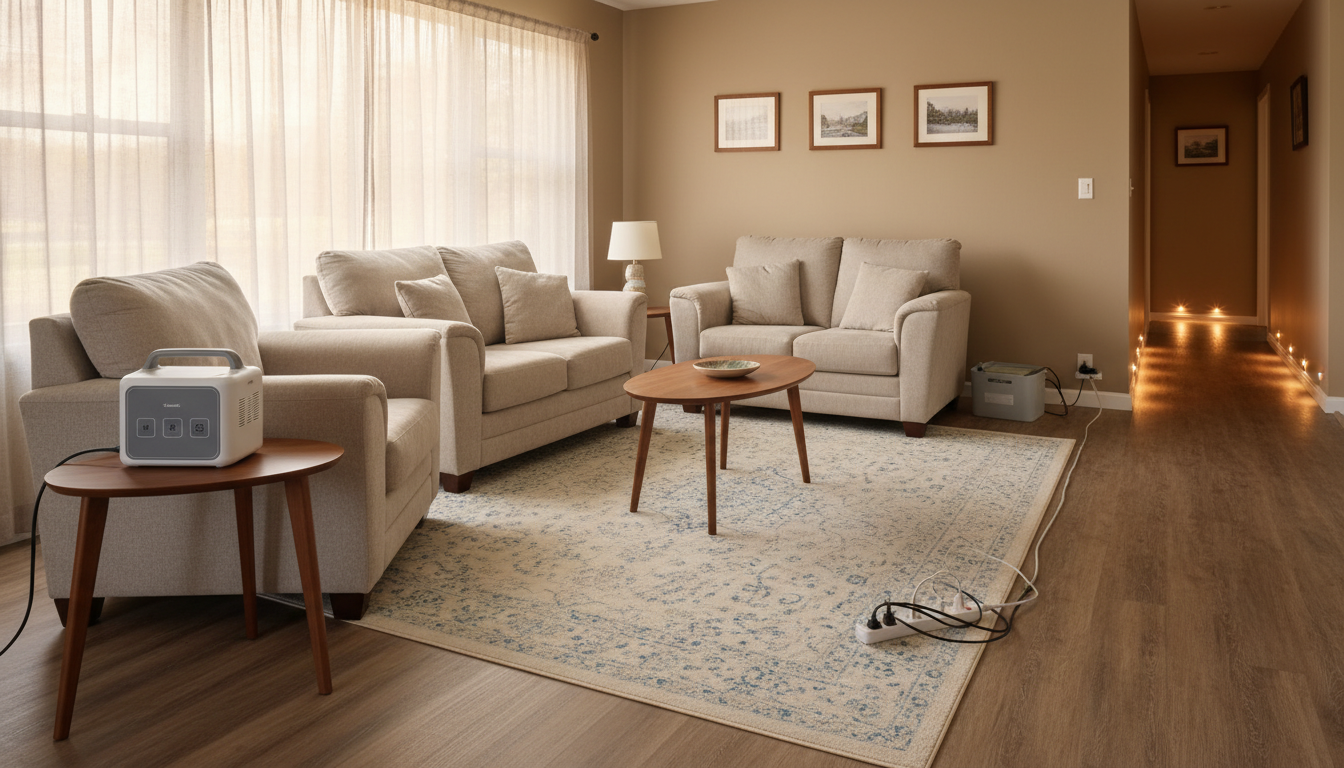
Keep the power strip off the floor if possible and away from walking paths to reduce tripping hazards.
4. Smart Plugs and Remote‑Controlled Outlets
Smart plugs are small devices that go between an appliance and a wall outlet. They allow users—or family members—to turn devices on and off with a smartphone, a schedule, or even voice commands.
Benefits for seniors living alone:
- Reduced bending and reaching: Lights and devices can be controlled from a chair or bed.
- Automatic schedules: Lamps can turn on at dusk and off at bedtime.
- Remote support: Trusted family members can check if devices are left on.
To keep things simple, configure just a few smart plugs for key items like bedside lamps, living‑room lights, or a fan. Avoid over‑complicating the setup.
5. Emergency Lighting and Night‑Lights
Good lighting is essential to prevent falls. When a power cut happens at night, seniors may try to move in the dark and risk injury.
Useful lighting products include:
- Rechargeable emergency lights that turn on automatically when the power goes out
- Plug‑in night‑lights in hallways, bathrooms, and bedrooms
- Motion‑sensor lights for stairways and entrances
Choose warm, gentle light rather than harsh white beams, and make sure the lights are placed where they will not cause glare.
Safety Tips for Using Power Solutions With Seniors Living Alone
Even the best equipment can create hazards if used incorrectly. To make power solutions as safe as possible for seniors living alone:
- Avoid overloaded outlets
Do not plug too many high‑power devices into a single power strip. Check the maximum load capacity. - Keep cords tidy and visible
Use cord organizers or clips to keep cables close to walls. Remove loose wires from walkways to prevent tripping. - Check devices regularly
Look for frayed cables, cracked plugs, or overheating. Replace damaged items immediately. - Label everything clearly
Use large, readable labels on chargers and plugs so the user knows which cord belongs to which device. - Create a simple emergency plan
Make a list of steps to take during a power outage: where the power bank is, which light will work, and how to contact family. - Choose certified products
Look for safety marks like UL, CE, or other recognized certifications for electronic devices.
How Caregivers and Family Members Can Help
Many seniors are not comfortable with technology, but small bits of support can make a big difference:
- Set up devices in advance: Charge power banks, configure smart plugs, and test UPS units before they are needed.
- Write easy instructions: One‑page guides with large text and simple steps are often enough.
- Check in regularly: Ask whether chargers, lights, and batteries are working as expected.
- Review after any outage: If the power goes out, talk about what went well and what needs improvement.
“By spending a little time planning, families can help seniors living alone stay safe, independent, and confident at home.”
Recommended Power Product for Seniors on Amazon
One practical example of a useful power product for seniors living alone is a portable power station with built‑in outlets and USB ports. On Amazon, you can look for a compact model such as the Jackery Portable Power Station Explorer 240 or a similar device.
These kinds of power stations typically offer:
- Multiple AC and USB outputs
- Enough capacity to run small medical devices, phones, and lamps for several hours
- Simple controls and a clear display
- Recharge options from a wall outlet, car, or sometimes solar panels
Always compare models, read customer reviews, and confirm that the power station meets the specific needs and safety requirements of the senior who will use it.