
Minimalist Wearable Devices for People Who Hate Screens
In a world dominated by glowing rectangles, not everyone wants to be glued to a display all day. Many people feel overwhelmed by constant notifications, digital clutter, and the pressure to always be “online.” For these users, minimalist wearable devices offer an appealing alternative. They keep the benefits of technology—safety, health tracking, and convenience—while dramatically reducing screen time and visual distraction.
This article explains what minimalist wearables are, why they matter for screen‑averse users, and how to choose the right device. It also explores the future of screen‑light technology and includes an example product you can find on Amazon.
What Are Minimalist Wearable Devices?
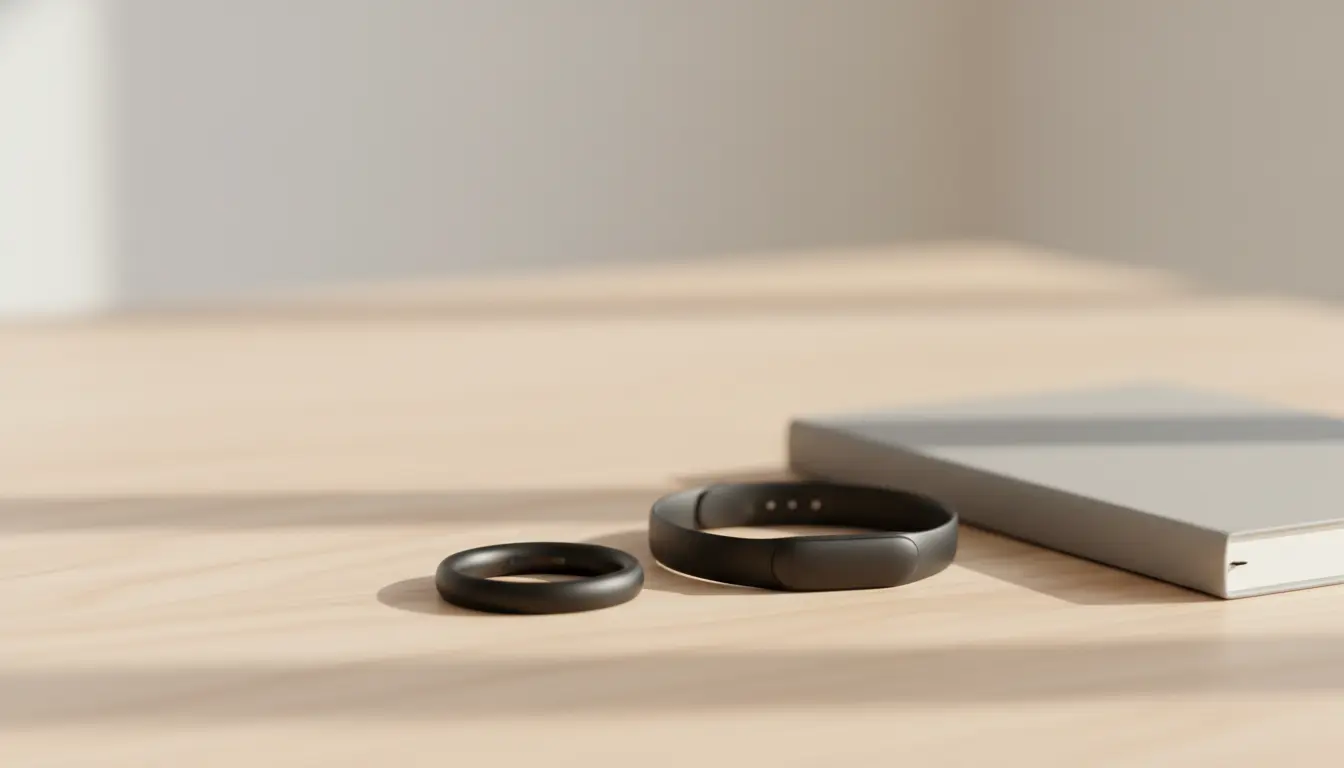
Minimalist wearable devices are small, discreet gadgets you wear on your body—on your wrist, finger, neck, or clothing—that provide useful functions without a large, bright, attention‑grabbing screen. Instead of offering colorful apps and complex menus, they focus on:
- Essential features only
- Simple feedback (vibration, a single LED, or a tiny text line)
- Easy, intuitive controls
- Long battery life and comfortable design
They are designed for people who want the advantages of smart technology without feeling pulled into an endless stream of digital content.
Why Screen‑Averse Users Need Minimalist Tech
People who “hate screens” usually have clear reasons for it. They may:
- Get eye strain or headaches from long hours in front of displays
- Feel anxious, distracted, or overstimulated by social media and constant notifications
- Want more presence in real life—in conversations, nature, and hobbies
- Worry about their digital wellbeing and mental health
Minimalist wearables support these priorities. They respect attention rather than competing for it. By hiding the interface or making it nearly invisible, these devices help users stay grounded in the physical world while still enjoying helpful tech features.
Key Features of Screen‑Minimal Wearables
Not all wearables are built for low‑screen lifestyles. When you’re looking for a minimalist device, consider these essential characteristics:
1. Subtle or No Screen
Some minimalist smart devices have:
- No visible screen at all (just vibration or LEDs)
- A very small monochrome display showing only time or basic stats
- A display that remains off most of the time and turns on only when needed
This design removes the temptation to check your wrist every minute and prevents you from getting lost in unnecessary apps.
2. Focus on Core Functions
Minimalist wearables usually prioritize a short list of capabilities, such as:
- Step counting and basic activity tracking
- Heart rate monitoring and sleep analysis
- Silent alarms and gentle reminders
- Simple call or message alerts without full message previews
By limiting features to what actually supports health and safety, these devices reduce digital noise and decision fatigue.
3. Strong Privacy and Low Data Overload
Screen‑light wearables are often part of a conscious digital wellness approach. Many:
- Avoid showing sensitive personal data on the device
- Sync only essential stats to a smartphone app
- Provide clear privacy options, so users decide what to track
For people tired of being “measured” by every app, this restrained data approach feels more respectful and less invasive.
4. Long Battery Life
When you remove large color screens and power‑hungry animations, battery life improves dramatically. Some minimalist wearables last:
- Days or weeks on a single charge
- Even months for ultra‑simple devices like smart rings or clip‑on trackers
This reduces the mental load of constant charging and lets users forget the device is even there.
Benefits for Digital Wellbeing
Minimalist wearables are not just about looks; they directly support healthier technology habits.
Reduced Screen Time
Because these devices don’t encourage long interactions, they naturally limit exposure to screens. You can still:
- Receive a silent buzz for an important call
- Track your walks, sleep, or workouts
- Use alarms and timers
…without opening a smartphone every time. Over the long term, this can significantly lower daily screen hours.
Less Notification Anxiety
A big, bright screen invites you to check every ping and banner. Minimalist wearables can filter alerts so that:
- Only high‑priority notifications reach your wrist
- You feel fewer interruptions during work, family time, or relaxation
- You regain control over when you choose to engage with your phone
This shift from reactive to intentional tech use is central to digital wellbeing.
More Presence in Daily Life
With fewer visual distractions, it becomes easier to:
- Listen fully in conversations
- Enjoy outdoor activities and exercise
- Focus on creative work and deep thinking
The device quietly supports your life instead of demanding your attention.
Types of Minimalist Wearable Devices
There is no single format for minimalist tech. Depending on your lifestyle, different categories might make sense.
Minimalist Fitness Trackers
These are slim, lightweight bands with:
- Basic step counts and distance
- Heart rate and sometimes sleep tracking
- Very simple displays or only LED indicators
They are great for users who want healthier habits without turning workouts into a data obsession.
Smart Rings
Smart rings hide technology inside a piece of jewelry. Many:
- Track sleep, recovery, and daily activity
- Use tiny, invisible sensors
- Have no visible screen, using LEDs and app syncing instead
For people who dislike the feeling or look of a watch, a smart ring can be the ideal minimalist option.
Vibration‑Based Reminders and Wellness Devices
Some wearable devices do just one thing extremely well, such as:
- Providing posture reminders via gentle vibrations
- Giving breathing or mindfulness prompts
- Setting discreet silent alarms
Because they serve one narrow purpose, they keep your digital environment calm and focused.
How to Choose the Right Minimalist Wearable
If you dislike screens, you should approach wearable shopping with intention. Ask yourself:
- What is my main goal?
Do you want better sleep, more movement, fewer phone checks, or all of the above? - How much data do I really need?
Some users want only step counts and a simple sleep score, while others appreciate a little more detail in the app. - Where will I wear it?
- Wrist (more visible, easy to tap)
- Finger (very discreet, often more comfortable for sleep)
- Clip‑on or necklace (nearly invisible in daily life)
- How sensitive am I to notifications?
Look for adjustable vibration levels and the ability to turn most alerts off. - How important is battery life?
A longer‑lasting device means you interact with it less, reinforcing the minimalist experience.
The Future of Minimalist Wearables
As people become more conscious of mental health and digital balance, demand for low‑screen and screenless devices is rising. Future designs will likely:
- Integrate even smaller sensors into everyday accessories
- Use more natural feedback, like haptics and sound, instead of full displays
- Focus on wellness metrics that support recovery, not just productivity
- Offer transparent privacy controls and offline modes
In short, technology is slowly moving away from the idea that “more visuals equals better” and toward tools that are almost invisible yet still deeply useful.