
Rugged Wearable Devices for Harsh Weather and Tough Jobs
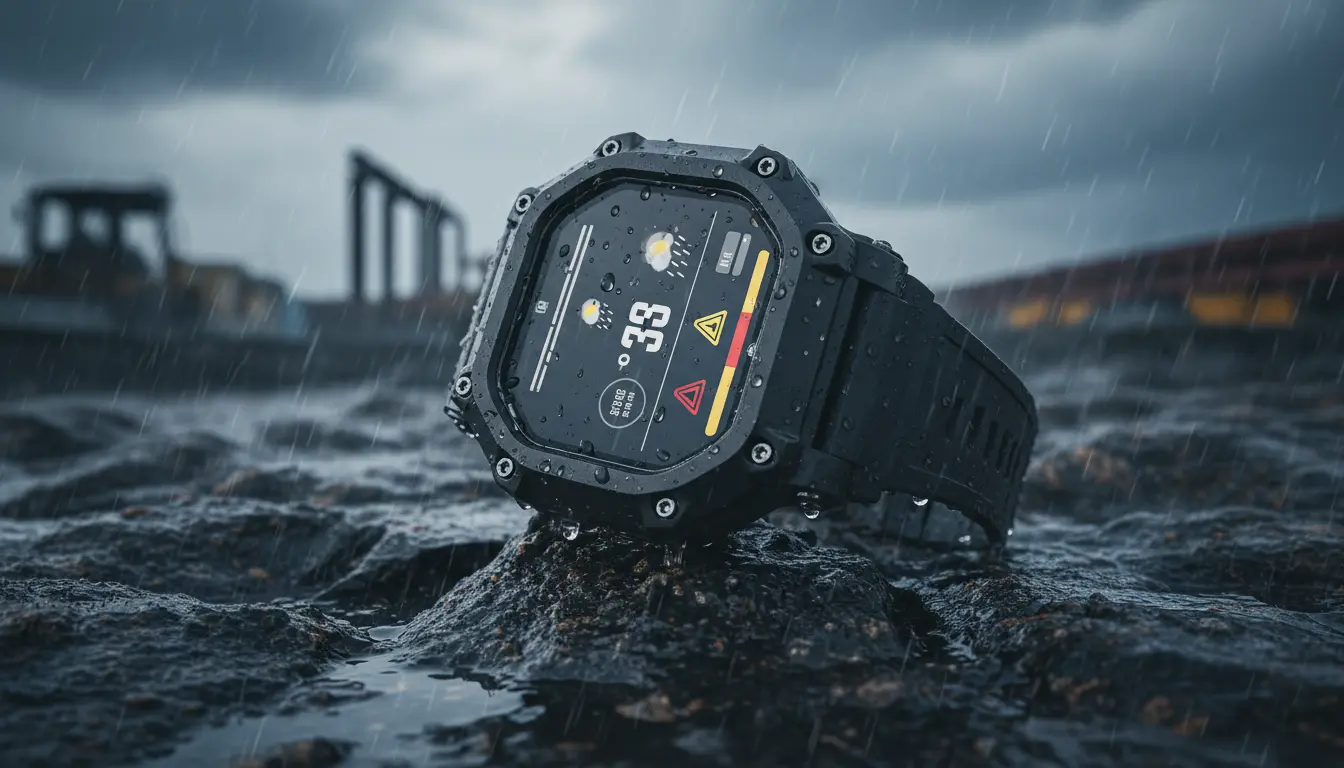
Rugged wearable devices are transforming how professionals work in the field. From construction sites battered by rain and dust to offshore rigs exposed to saltwater and extreme temperatures, these durable wearables keep teams connected, safe, and efficient. Unlike standard consumer smartwatches or fitness trackers, rugged wearables are intentionally engineered for harsh conditions and demanding tasks.
In this article, you will learn what makes a wearable “rugged,” why it matters for tough jobs, and how to choose the right device for your environment. You will also see key use cases across different industries and an example product you can find on Amazon.
What Makes a Wearable Device Rugged?
A rugged wearable device is designed to operate reliably in environments that would quickly damage normal electronics. Manufacturers use specific standards and technologies to ensure long-term durability:
1. Reinforced Housing and Materials
Rugged wearables use high‑grade materials such as:
- Impact‑resistant polycarbonate or metal housings
- Hardened or chemically strengthened glass for displays
- Stainless steel screws and buttons
- Shock‑absorbing bezels and bumpers
These components protect internal circuits when the device is dropped, bumped, or accidentally hit by tools or machinery.
2. High Water and Dust Protection (IP Ratings)
Most rugged wearables have certified IP (Ingress Protection) ratings. For example, an IP68 rating indicates resistance to dust and immersion in water beyond 1 meter for a specified time. This level of protection is vital for:
- Rainy or snowy outdoor work
- Muddy construction environments
- Dusty mining or manufacturing plants
By sealing ports and buttons, the device prevents moisture and particles from damaging the electronics.
3. Military‑Grade Durability (MIL‑STD-810G/H)
Many rugged wearables are tested to military standards such as MIL‑STD‑810G or MIL‑STD‑810H. These tests simulate:
- Extreme high and low temperatures
- Sudden temperature changes
- Vibration from heavy equipment
- Shock and repeated impacts
Devices that pass these tests can withstand harsh daily use in demanding jobs without frequent failures.
Performance in Extreme Weather Conditions
Professionals working outdoors cannot stop because of bad weather. Rugged wearables help them stay productive and safe in changing climates.
1. Extreme Cold and Heat
Specialized components and batteries allow rugged wearables to function in:
- Sub‑zero temperatures on frozen job sites
- High heat on oil refineries or desert projects
Screens remain readable, batteries maintain acceptable runtime, and sensors continue to capture accurate data despite temperature swings.
2. Rain, Snow, and Humidity
Harsh weather often includes heavy rain, wet snow, and high humidity. Rugged devices keep operating when:
- Workers handle equipment with wet gloves
- Moisture forms on surfaces
- Sweat builds up during physically intense tasks
Sealed enclosures, water‑resistant straps, and anti‑corrosion components ensure reliable long‑term use.
3. Strong Sunlight and Low Visibility
Outdoor professionals need clear displays and alerts in challenging visibility conditions. Rugged wearables often offer:
- High‑brightness, sunlight-readable screens
- Anti‑glare coatings
- Strong vibration and audible alerts for noisy sites
These features help workers quickly read data and respond to warnings without losing focus.
Why Rugged Wearables Matter for Tough Jobs
Rugged wearable devices are more than just “strong watches.” They play a strategic role in safety, productivity, and data‑driven decision making.
Enhanced Worker Safety
In high‑risk environments, safety is a priority. Rugged wearables can:
- Track location for lone‑worker protection
- Detect falls or sudden impacts and trigger emergency alerts
- Monitor heart rate and activity for signs of fatigue or heat stress
When integrated with safety platforms, they allow supervisors to respond quickly in emergencies.
Higher Productivity and Efficiency
With rugged wearables, workers can access critical information without carrying extra devices. They can:
- Receive step‑by‑step instructions on their wrist
- Log task completion with a single tap
- Communicate instantly via push‑to‑talk features or notifications
This hands‑free interaction reduces downtime and helps teams maintain focus.
Lower Long‑Term Ownership Costs
Consumer wearables might be cheaper initially, but they fail faster under harsh conditions. Replacing broken devices leads to:
- Unexpected hardware costs
- Lost productivity during downtime
- Extra administrative work
Rugged wearables cost more upfront but last longer and provide a better return on investment for industrial use.
Key Use Cases Across Industries
Rugged wearable technology is now common in many sectors where weather and working conditions are challenging.
1. Construction and Civil Engineering
On construction sites, rugged wearables support:
- Real‑time safety alerts (e.g., entering restricted zones)
- Time and attendance tracking
- On‑site inspections with digital checklists
Supervisors can analyze data to improve workflows and prevent accidents.
2. Oil, Gas, and Mining
These industries involve extreme heat, vibration, dust, and remote locations. Rugged wearables help:
- Track worker locations underground or offshore
- Monitor fatigue and exposure time in dangerous zones
- Provide quick access to emergency procedures
Their durability ensures they keep working even after bumps, drops, or exposure to mud and chemicals.
3. Field Service and Utilities
Technicians repairing power lines, telecom towers, or pipelines often work outdoors in all seasons. Rugged wearables:
- Deliver work orders and technical documentation
- Enable hands‑free communication with central support
- Capture digital signatures and photos
Even in heavy rain or snow, the devices continue to function, keeping services running for customers.
4. Emergency Services and Public Safety
Firefighters, paramedics, and search‑and‑rescue teams need reliable devices during crises. Rugged wearables can:
- Share GPS coordinates with command centers
- Track vital signs during long operations
- Provide navigation and hazard alerts
Their robust build ensures performance in smoke, debris, and unpredictable weather.
How to Choose the Right Rugged Wearable Device
When selecting a rugged wearable for harsh weather and tough jobs, consider the following factors.
1. Environment and Risk Level
Identify your main challenges:
- Extreme temperature range
- Water immersion or heavy rain
- Dust, sand, or chemical exposure
- High vibration or frequent impacts
Then select devices with appropriate IP and MIL‑STD ratings.
2. Battery Life and Charging Options
Field teams may work long shifts away from power outlets. Look for:
- Multi‑day battery life under real‑world usage
- Fast charging or replaceable battery options
- Power‑saving modes for remote operations
Reliable battery performance is essential for safety and continuity.
3. Compatibility and Integration
Your rugged wearable should integrate with:
- Existing smartphones or rugged handhelds
- Workforce management or EHS (Environment, Health & Safety) software
- Location tracking and analytics platforms
Open APIs and broad OS compatibility make deployment smoother.
4. Comfort and Usability
Even the most durable device fails if workers will not wear it. Make sure:
- The strap fits securely over gloves or protective clothing
- The screen is easy to read in all lighting conditions
- Buttons and touch controls are usable with wet or gloved hands
Comfortable, intuitive wearables encourage consistent use and better data quality.
Example Rugged Wearable on Amazon
On Amazon.com, you can find many rugged wearable devices designed for tough jobs. One example product category to explore is:
Garmin Instinct 3 Solar Rugged GPS Smartwatch (various models)
This series typically offers:
- Rugged construction tested to U.S. military standard 810 for thermal, shock, and water resistance
- Water rating up to 100 meters (model‑dependent)
- Long battery life, especially with solar charging options
- GPS, heart rate monitoring, and advanced outdoor navigation features
You can search “Garmin Instinct 3 Solar rugged smartwatch” on Amazon to view current models, detailed specifications, and user reviews. Always confirm the exact IP and MIL‑STD ratings and compare them with your environmental requirements before purchasing.