
The Best Voice Assistants and Smart Speakers for Home Automation
Introduction: Why Voice Assistants Dominate Smart Home Automation
Voice assistants have rapidly become the backbone of modern smart homes. Users no longer want to manually control lights, thermostats, or entertainment systems. Instead, they prefer speaking a simple command and letting intelligent automation handle the rest. Smart speakers equipped with advanced voice assistants make this experience seamless, efficient, and intuitive.
As home automation evolves, choosing the best voice assistant-powered smart speaker becomes crucial. Performance, ecosystem compatibility, privacy, and sound quality all influence the decision. This article explores the best voice assistants and automation-ready speakers while helping you understand which option best suits your needs.
What Is a Voice Assistant and How Does It Work?
A voice assistant is an AI-powered system designed to understand spoken language and execute commands. Smart speakers act as the physical interface, allowing users to interact with digital assistants hands-free.



These systems rely on:
- Natural language processing
- Cloud-based AI learning
- Smart home integration protocols
Popular voice assistants such as Amazon Alexa, Google Assistant, and Apple Siri continuously learn from user behavior. As a result, they provide faster responses and more accurate automation routines over time.
The Role of Smart Speakers in Home Automation
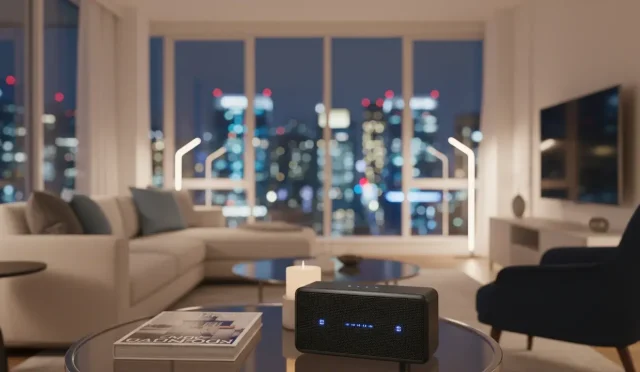
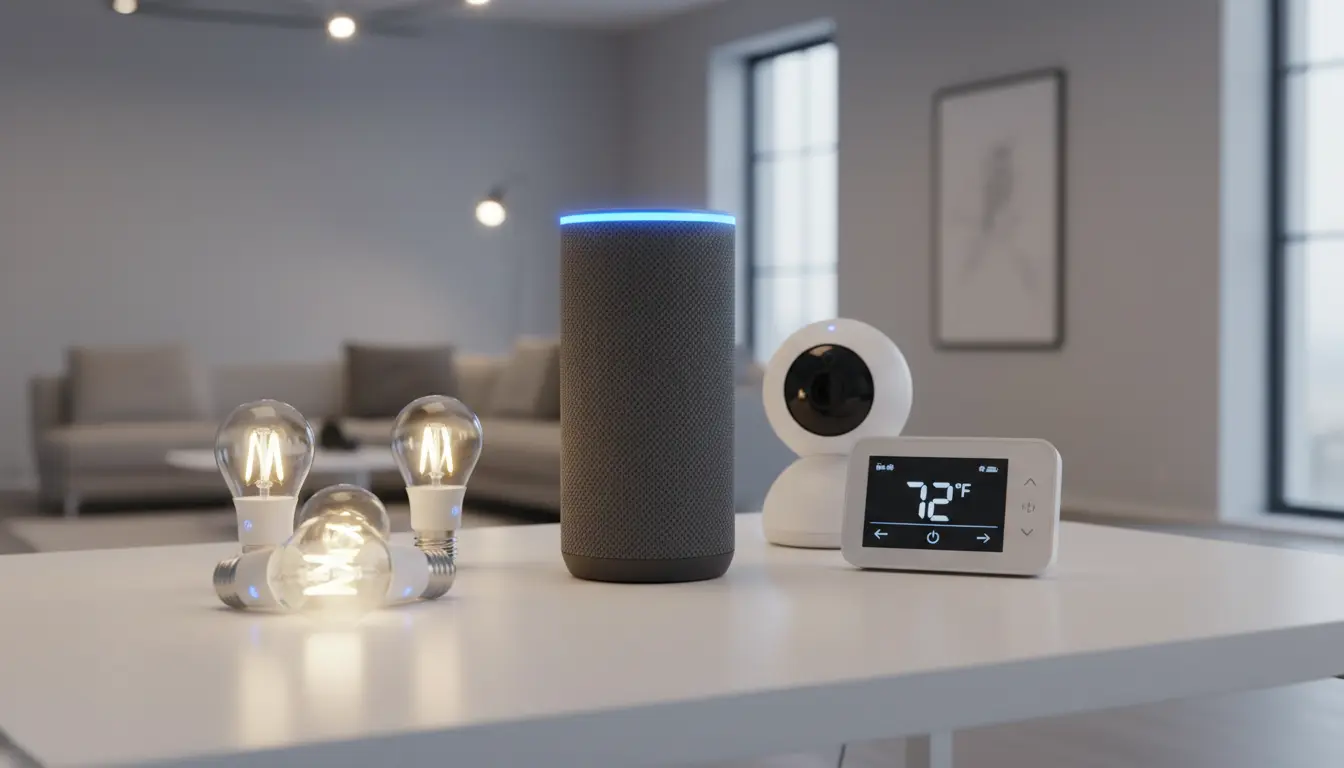
Smart speakers serve as centralized hubs for connected devices. Instead of controlling each device individually, users can automate entire routines with a single command.
For example:
- Saying “Good morning” can turn on lights, adjust the thermostat, and read the news
- Voice commands can control smart lighting systems, smart thermostats, and smart security systems
- Multi-room audio allows synchronized sound across different spaces
Smart speakers significantly reduce friction in daily routines and improve overall home efficiency.
Amazon Alexa: The Most Versatile Voice Assistant
Amazon Alexa stands out as the most widely supported voice assistant in the smart home ecosystem. Thousands of third-party devices integrate seamlessly with Alexa-enabled speakers.
Key advantages include:
- Extensive smart home compatibility
- Highly customizable routines
- Strong voice recognition technology
- Excellent automation triggers
Alexa works exceptionally well with smart lighting systems, smart plugs, and smart security devices. Users can also create advanced routines based on time, location, or sensor input, making Alexa ideal for automation-focused households.
Google Assistant: Superior AI and Context Awareness
Google Assistant excels in understanding context and delivering accurate responses. Its natural language processing feels more conversational compared to competitors.
Why users prefer Google Assistant:
- Exceptional voice recognition accuracy
- Deep integration with Google services
- Strong multi-user support
- Excellent smart home automation performance
Google Assistant-powered speakers integrate smoothly with smart thermostats and smart lighting systems. The assistant’s ability to understand follow-up questions enhances the overall hands-free experience.
Apple Siri: Privacy-Focused Automation
Apple Siri focuses heavily on user privacy and data security. While its ecosystem is more limited, it offers deep integration for Apple users.
Siri’s strengths include:
- Strong encryption and local processing
- Seamless integration with Apple devices
- Reliable HomeKit automation
Siri-enabled speakers appeal to users who prioritize privacy over extensive third-party compatibility. HomeKit automation works best when all devices remain within Apple’s ecosystem.
Comparing Smart Speaker Audio Performance
Automation matters, but sound quality still plays a major role in smart speaker selection. Premium speakers deliver balanced audio without sacrificing assistant responsiveness.
High-end models feature:
- Dual or triple speaker arrays
- Adaptive audio tuning
- Room-filling sound
If you plan to use your smart speaker for music and automation equally, audio performance should influence your decision.
Smart Home Compatibility and Ecosystem Support
A smart speaker’s true value depends on ecosystem compatibility. Some platforms support thousands of devices, while others remain more controlled.
Important factors include:
- Smart home compatibility across brands
- Automation flexibility
- Support for future devices
Voice assistants that support open ecosystems adapt better as technology evolves. This flexibility ensures long-term value for your investment.
Privacy and Security Considerations
Always-on microphones raise valid privacy concerns. Leading manufacturers address this with hardware mute buttons, encryption, and transparency controls.
Users should:
- Review voice recording settings
- Enable microphone muting when necessary
- Choose assistants aligned with their privacy expectations
Privacy-conscious users often lean toward platforms that prioritize local processing and minimal data retention.
Multi-Room Audio and Automation Scenarios
Multi-room audio elevates the smart home experience. Smart speakers can synchronize playback across rooms while still responding individually to voice commands.
Automation scenarios include:
- Playing music throughout the house
- Announcing reminders or alerts
- Integrating audio with lighting scenes
This feature enhances both entertainment and practical home management.
Energy Efficiency and Smart Automation
Smart speakers contribute indirectly to energy efficiency. Voice-controlled automation reduces unnecessary energy consumption by optimizing device usage.
Examples include:
- Automatically turning off lights
- Adjusting heating based on occupancy
- Managing power-hungry appliances
Automation not only improves comfort but also lowers utility costs over time.
Future Trends in Voice Assistant Technology
Voice assistants continue evolving through AI advancements. Future developments will focus on predictive automation, emotional recognition, and offline processing.
Expected improvements include:
- Faster local voice processing
- Smarter automation routines
- Better integration with smart security systems
These innovations will make smart homes more proactive and intuitive.
Recommended Amazon Product
Amazon Echo (5th Gen)
Available on Amazon.com, the Amazon Echo (5th Gen) offers excellent sound quality, advanced Alexa automation features, and broad smart home compatibility. It supports smart lighting systems, smart thermostats, and multi-room audio while delivering reliable performance for daily automation needs.
Conclusion
Choosing the best voice assistant-powered smart speaker depends on your automation goals, ecosystem preference, and privacy priorities. Amazon Alexa leads in compatibility and automation flexibility, Google Assistant excels in AI intelligence, and Apple Siri appeals to privacy-focused users. Smart speakers continue redefining how we interact with our homes, making voice-driven automation an essential part of modern living.