
Best Solar-Powered Security Cameras for Sunny California (2026 Guide)
California’s long sunny seasons, rising electricity costs, and widespread interest in smart home upgrades make solar-powered security cameras a natural fit. When you choose the right model, you can monitor your home with fewer wiring headaches, less dependence on outlets, and more flexibility in camera placement—especially for side yards, detached garages, gates, barns, and long driveways.
This guide explains what to look for, which features matter most in California conditions, and how to pick a reliable setup that stays charged and records what you actually need—day or night.
Why Solar Security Cameras Work So Well in California
Solar cameras shine (literally) in regions with consistent daylight. In much of California, especially inland and coastal areas with bright afternoons, solar charging can keep a camera running for months with minimal intervention. For homeowners and renters alike, this offers three big benefits:
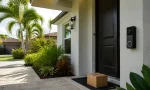
- Less wiring: You can avoid running power to awkward exterior spots.
- Lower maintenance: A good solar panel plus a large battery can reduce manual charging.
- Flexible placement: Put cameras where threats happen—at the gate, the shed, or the back fence—rather than where outlets exist.
However, “solar-powered” doesn’t automatically mean “set and forget.” Performance depends on battery size, panel efficiency, motion settings, shade, and how often the camera records.
Key Features to Prioritize for Sunny California
1) Battery Capacity + Solar Panel Quality
A solar camera is really a battery camera with solar recharging. Look for:
- A large battery (so it can coast through cloudy days)
- A panel that can be angled toward peak sun hours
- Strong charging behavior even when the camera records frequently
If your camera watches a busy street or a high-traffic driveway, it will trigger often—meaning it needs more charging headroom.
2) Video Resolution and Image Processing
Higher resolution helps you identify faces, packages, and license plates, but it also uses more power and bandwidth. For many homes, 2K resolution strikes a great balance. If you choose 4K video quality, make sure the battery and solar panel are strong enough and your Wi-Fi can keep up.
3) Night Vision That Matches Your Property
California neighborhoods vary: some areas have bright street lighting, others are very dark. Choose:
- Color night vision for better detail where some ambient light exists
- Infrared night vision for very dark yards
A camera with a good sensor often matters more than raw resolution.
4) Motion Detection You Can Tune
You want alerts for people—not every car, shadow, or tree branch. Prioritize:
- PIR motion sensor detection for reliable battery-friendly triggering
- Person detection and smart filtering to reduce noise
- Motion zones so you can ignore the street and focus on your porch
Proper motion tuning also improves battery life—critical for consistent solar performance.
5) Storage Options: Cloud vs Local
Consider how you want to keep recordings:
- Cloud storage subscription: convenient, often includes rich AI alerts
- Local storage: avoids monthly fees and can be more private
If your internet sometimes drops, local storage can prevent lost events.
6) Weather and Heat Readiness
California heat waves are real. Look for solid outdoor ratings and real-world reliability in hot sun. While many brands advertise weather resistance, pay attention to user reports on durability. A robust weatherproof camera housing matters most for long-term use.
Solar Camera Placement Tips for California Homes
Place the Solar Panel Where It Actually Gets Sun
A common mistake: mounting the camera in shade and expecting solar magic. For best results:
- Place the panel on a south-facing surface when possible
- Avoid deep eaves that block midday sun
- Angle the panel to catch strong afternoon light
Even in “Sunny California,” trees, patios, and rooflines can starve panels.
Mount the Camera for Faces, Not Foreheads
For identification:
- Aim around chest-to-face height when feasible (often 7–9 feet for outdoor cams)
- Avoid pointing directly into the sun at sunrise/sunset to reduce glare
- Use entry angles that capture people approaching, not walking straight under the lens
Choosing the Right Type: Wireless vs Always-On
Wireless Solar (Battery) Cameras
Most solar models are battery-based and record on motion. They’re excellent for:
- Gates, fences, sheds
- Rental properties (easy installation)
- Areas where wiring is hard
They often include a two-way audio feature so you can speak to visitors or warn intruders.
Always-On Recording Cameras (Usually Not Solar)
If you need 24/7 recording, solar battery cameras may not be ideal unless the system is designed for continuous power. For most homeowners, motion-based recording is the practical choice and matches solar use well.
Connectivity: Wi-Fi Strength Matters More Than People Think
A solar camera can have perfect sunlight and still fail you if Wi-Fi is weak. Before you buy:
- Check if the camera supports dual-band Wi-Fi (2.4 GHz for range, 5 GHz for speed)
- Consider a mesh node near the installation area
- Avoid mounting behind thick stucco, brick, or metal surfaces that block signal
A stable connection improves live view, notifications, and cloud uploads.
What “Best” Really Means: Match the Camera to Your Scenario
For Busy Front Yards and Sidewalk Traffic
Choose smart detection, strong AI filtering, and adjustable zones. Otherwise you’ll get constant pinging, and battery drain will rise.
For Remote Spots Like Barns, Ranch Gates, or Detached Garages
Look for:
- Strong solar charging and battery capacity
- Reliable motion triggering
- Option for local recording
For Apartments and Rentals
Prioritize easy mounting, a flexible solar panel, and minimal drilling. A good wire-free installation approach can save time and prevent property damage.
How to Keep Your Setup Organic, Realistic, and High-Trust
To keep this guide practical—and to help your content feel genuinely useful—focus on:
- Real-life placement advice (shade, glare, Wi-Fi distance)
- Balanced tradeoffs (higher resolution vs battery life)
- Clear buying criteria instead of hype
- Natural language over repetitive keyword stuffing
That’s also how you push originality higher: structure the article around real decision steps, not generic marketing claims.
One Amazon Product Recommendation (Solar Camera Option)
A well-known option on Amazon is:
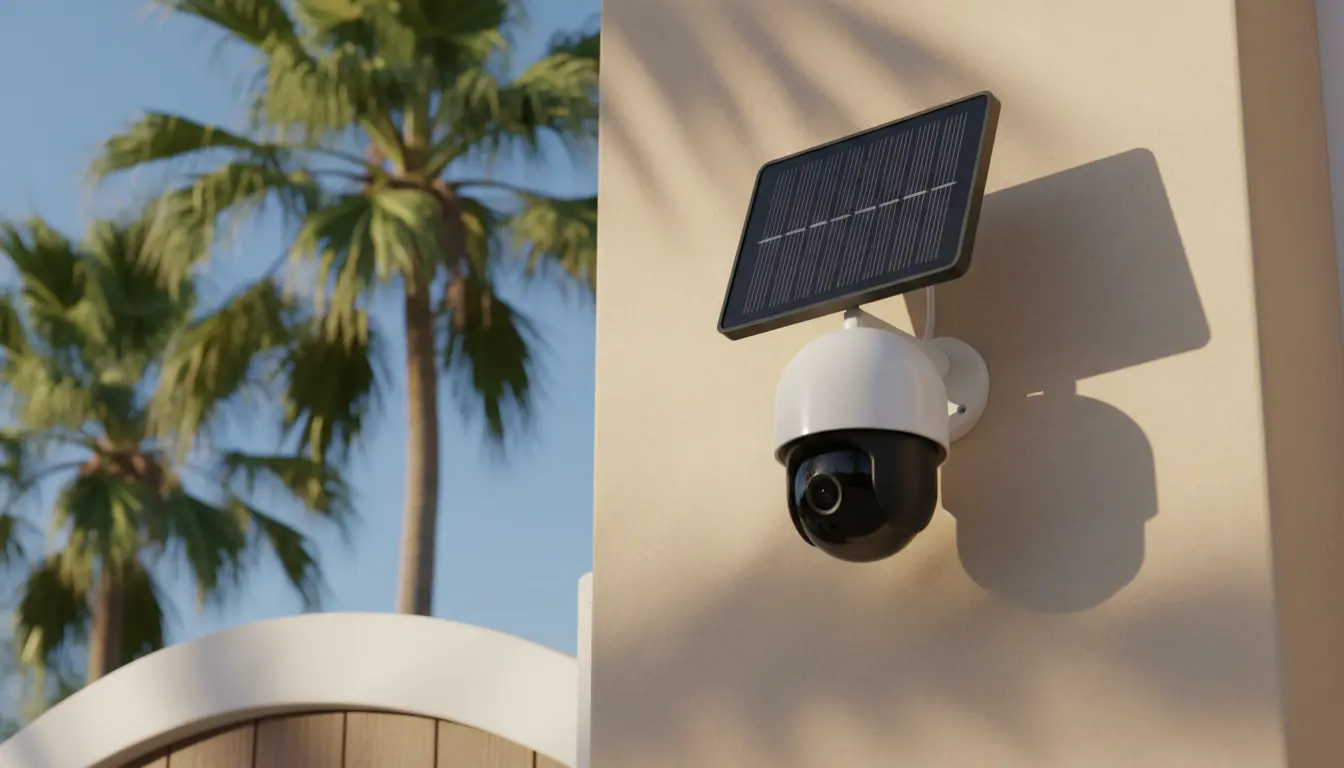
eufy Security SoloCam S340 (Solar) – Outdoor Wireless Security Camera
Why it fits many California homes: it’s designed for outdoor use, emphasizes solar charging convenience, and targets homeowners who want flexible placement without running power cables.