
The 2026 Strategy for Global Satellite Connectivity
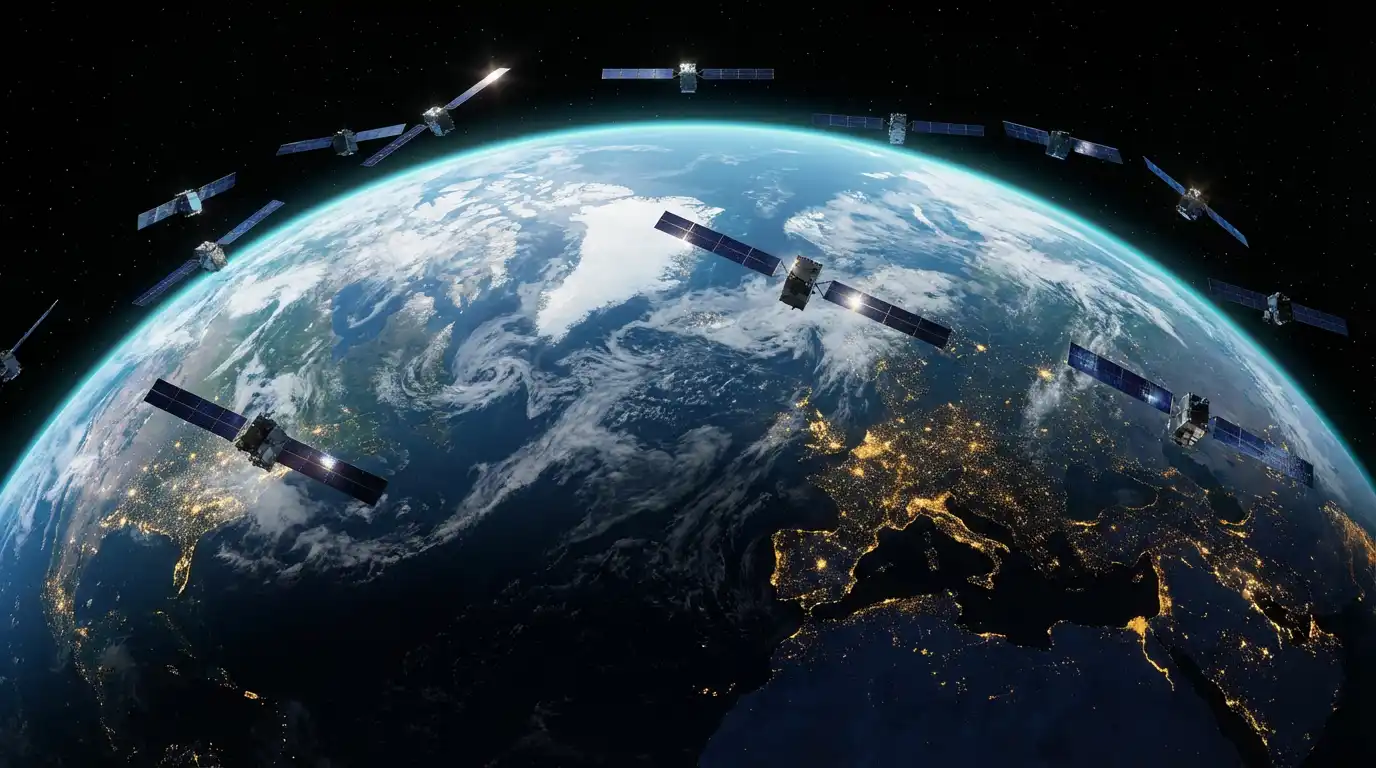
Amazon is rapidly advancing its space-based internet infrastructure, now operating under the branding of Amazon Leo. The company recently clarified its roadmap, targeting mid-2026 for the service’s broader availability. This initiative represents a massive shift in how the world accesses high-speed data, moving beyond traditional cables to a sophisticated network of thousands of satellites in low Earth orbit.
Competitive Performance and Speed Targets
The primary goal of this new network is to deliver low latency broadband that rivals terrestrial fiber connections. Unlike earlier satellite technologies that suffered from significant lag, this next-generation constellation operates much closer to the planet. This proximity allows for download speeds reaching up to 1 Gbps, a threshold that meets the demanding needs of modern streaming, professional gaming, and large-scale enterprise operations.
Beyond raw speed, the infrastructure focuses on uplink efficiency. Early data suggests the system will handle data uploads much faster than current industry standards. For users in remote locations or industries like aviation, this means a connection that feels as responsive as a city-based office network.

Strategic Integration and Enterprise Benefits
One of the most significant advantages of this network is its deep integration with existing digital ecosystems. Business users can expect a seamless bridge between their satellite terminals and advanced cloud computing tools. This feature allows for real-time data analytics and AI processing directly through the satellite link, a capability that is particularly valuable for research stations, maritime logistics, and global transportation hubs.
Major players in the aviation sector have already committed to using this technology to provide high-quality wireless internet to passengers. These early partnerships indicate that the network is being built with high-reliability standards that go far beyond simple home internet use.
Overcoming the Challenges of Space Deployment
Building a space-based internet network involves managing a complex constellation of thousands of units. While the current number of operational satellites is growing, the project still requires a massive acceleration in launch frequency to reach its full potential. The project team is currently working through regulatory frameworks to ensure they can deploy enough units to provide consistent global coverage by the 2026 deadline.
As the network expands, it will provide much-needed satellite broadband competition, likely driving down costs for consumers while pushing the boundaries of what is possible in remote communication. The transition from testing to full-scale public availability marks a turning point in the race for a truly connected planet.
Future Outlook for Global Connectivity
By the middle of 2026, the landscape of global internet access will likely look very different. The arrival of a new, high-performance player in the satellite market ensures that connectivity is no longer a privilege of urban development. Through global connectivity solutions like this, the digital divide continues to shrink, bringing high-speed possibilities to every corner of the globe.
Amazon Product Recommendation:
TP-Link AX3000 Smart Wi-Fi 6 Router (Archer AX55) – To distribute the high-speed signal from satellite internet throughout your home without loss, Wi-Fi 6 technology is an excellent choice.