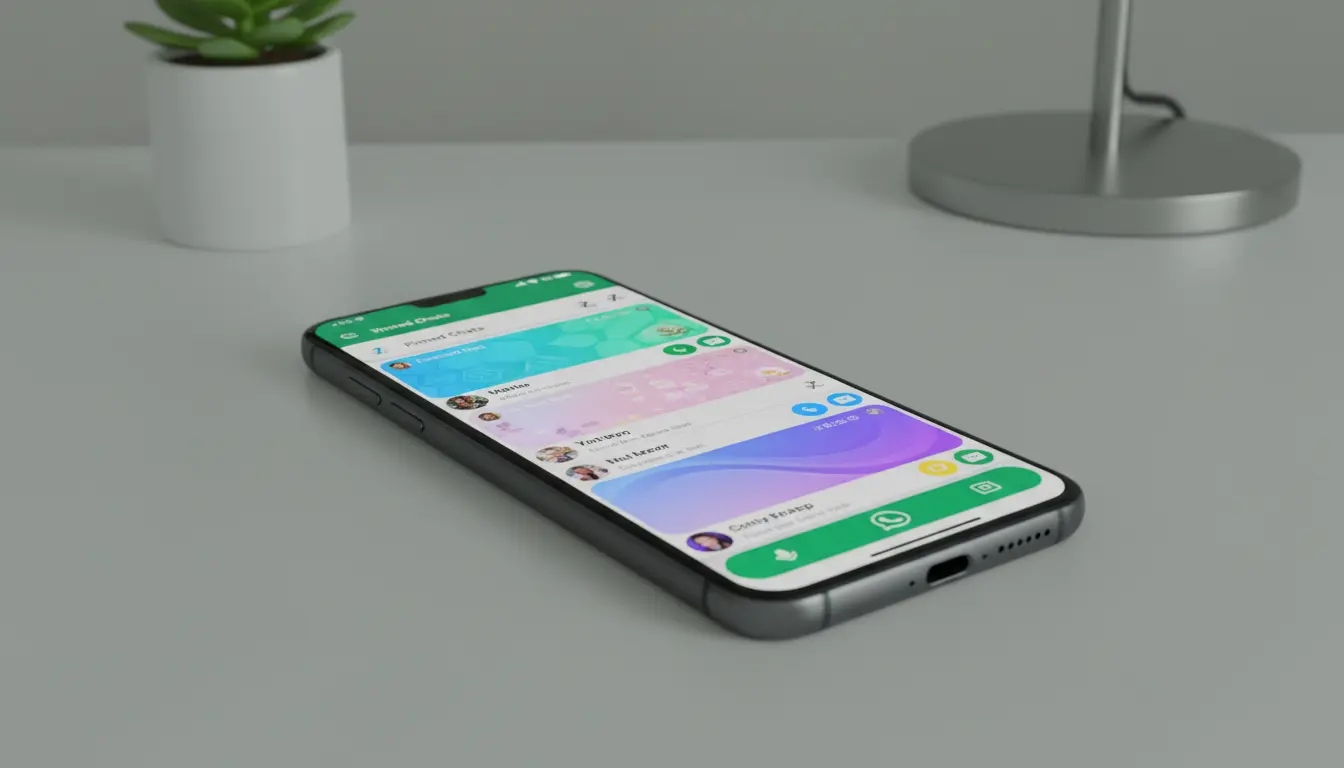

WhatsApp Plus: A New Premium Layer Focused on Personalization
WhatsApp is experimenting with a paid add-on that looks less like a productivity overhaul and more like a makeover. The company is reportedly testing a WhatsApp premium subscription called a WhatsApp Plus subscription that lets a limited set of users pay for extra personalization and a few organization tools. Rather than changing how messaging works, the test aims to change how the app looks, sounds, and feels.
WhatsApp built its reputation on staying simple and dependable, so a paid plan creates immediate pressure to justify itself. In this test, the value proposition seems clear: style upgrades first, functional upgrades second.
What’s Included in the Subscription Tier?
Early details point to three buckets of perks:
- Visual personalization: custom chat themes and alternative app icons.
- Audio personalization: new ringtones and notification tones.
- Inbox organization: features like custom lists and expanded pinned chats.
The organization piece is the most practical. With expanded pinned chats, you can keep more key conversations at the top—family groups, work threads, and time-sensitive chats stay visible without endless scrolling. Lists (if they roll out broadly) could help you separate “Work” from “Friends” or “Clients” with less manual hunting.
Just as important is what you may not get. A cosmetic tier typically avoids heavy “power-user” additions, and early chatter suggests this plan doesn’t focus on major new capabilities like stronger admin controls, advanced search, or broad ad removal. If WhatsApp continues to show ads in areas like Status, a subscription that doesn’t remove them will feel more like personalization than a cleaner, ad-free experience.
Why Meta Is Testing Cosmetic Upgrades
A cosmetic-first subscription can feel underwhelming, but it reduces product risk. If WhatsApp paywalled core communication functions, it could trigger backlash and weaken the network effect that makes messaging apps valuable. By selling premium messaging features that are optional and mostly decorative, WhatsApp protects the free baseline that billions rely on.
This format also fits a familiar playbook: subscriptions often begin with identity and expression because they are easy to explain and safe to ship. Themes and icons create an immediate “premium” feel without breaking compatibility between free and paid users.
What This Could Mean for Users and Businesses
For everyday users, the question is simple: do you care enough about personalization to subscribe? If you spend hours a day in WhatsApp, small interface improvements can compound into real comfort. If you only dip in to answer messages, the benefits may not justify a monthly fee.
For businesses, the effect is indirect. WhatsApp’s main commercial engine remains business messaging and click-to-message advertising. A consumer plan focused on customization won’t replace that; it can diversify revenue while keeping business tools and ad formats intact.
It also highlights how WhatsApp’s business model has evolved. The app once experimented with small subscription fees in some regions, then shifted toward monetizing the ecosystem around messaging. The current test supports a broader Meta monetization strategy: add low-friction consumer subscriptions on top of platforms that already earn from messaging infrastructure.
Pricing Signals and Rollout Reality
Because this is a test, availability will likely vary by region and account. Early reports hint at a low monthly price and a free trial in some markets—a common approach that encourages users to try cosmetic upgrades without commitment.
Even if WhatsApp expands the plan, it may not move the needle quickly. The real value for the company is learning: which custom chat themes people choose, whether they keep paying after the trial, and which organizational perks actually reduce daily friction.
How to Decide if It’s Worth It
If the WhatsApp Plus subscription shows up for you, evaluate it like any recurring cost:
- Do you want personalization long-term, or is it novelty?
- Will expanded pinned chats improve your workflow?
- Are you paying for too many small subscriptions already?
Also notice what isn’t included. If WhatsApp positions this tier as optional polish—not a must-have utility upgrade—then the plan lives or dies on perceived fun, identity, and convenience.
The Bottom Line
WhatsApp’s premium experiment signals a careful shift: it monetizes expression and light organization without charging for messaging itself. If WhatsApp keeps the core experience free and stable, a cosmetic subscription can coexist with the app’s everyday role—and give power users more control over how their inbox feels.