
Tesla Expands Robotaxi Service to Dallas and Houston
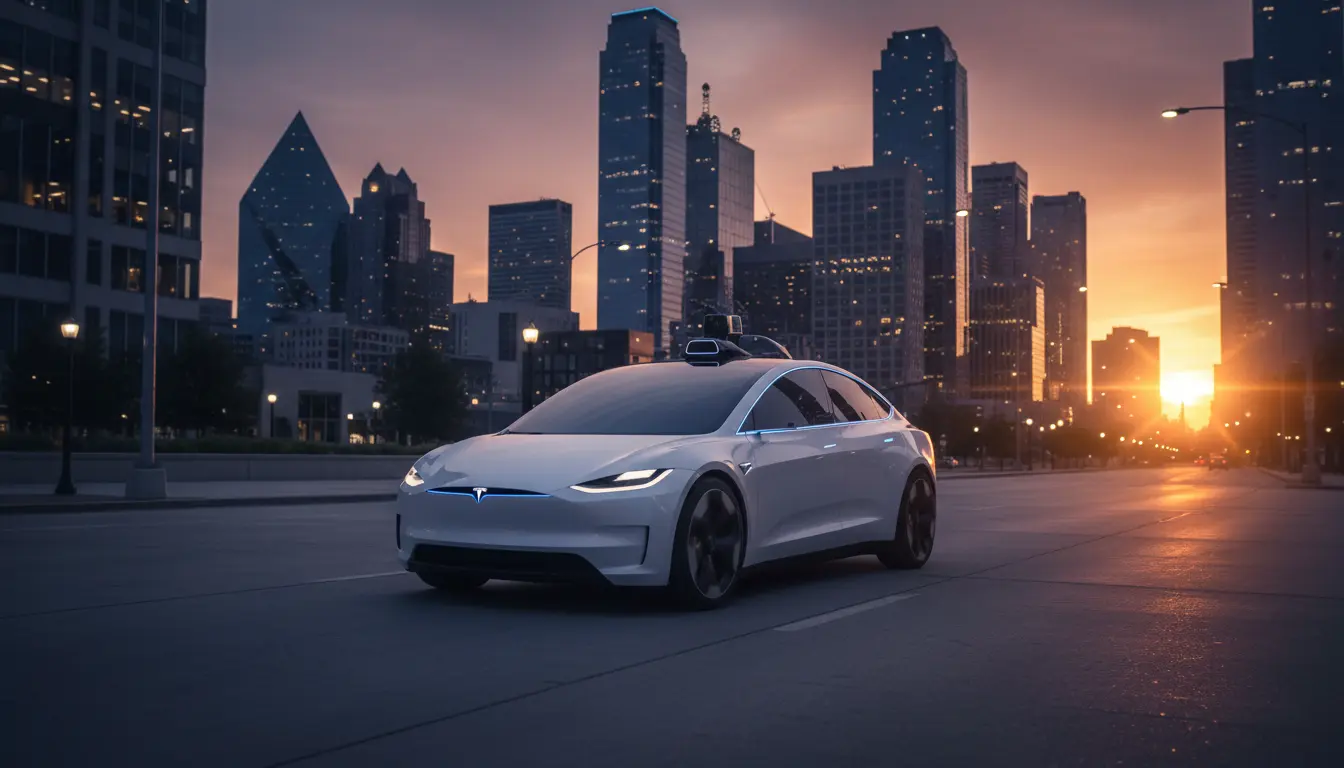
Tesla has taken another visible step in the autonomous mobility race by expanding its Robotaxi service to Dallas and Houston. This move signals more than a simple geographic rollout. It shows Tesla’s growing confidence in its self-driving technology and its willingness to test real-world demand in major urban markets. For consumers, investors, and mobility experts, this expansion offers a clearer look at how the future of transportation may unfold in the United States.
Why This Expansion Matters
Dallas and Houston are not random choices. Both cities have large populations, busy road networks, and strong demand for flexible transportation. By entering limited service zones in these cities, Tesla can test how its platform performs in dense and varied traffic conditions. That matters because autonomous ride-hailing only succeeds when the technology handles real city behavior, not just controlled test environments.
Tesla first launched Robotaxi rides in Austin, where the service initially included a human safety monitor in the passenger seat. Over time, the company began moving toward a more independent operating model. The latest rollout appears to highlight a more advanced stage of deployment, although Tesla has not fully clarified whether safety supervision remains present in every ride in Dallas and Houston. That uncertainty keeps public attention focused on both convenience and safety.
A New Phase for Autonomous Ride-Hailing
Tesla’s expansion strengthens the broader conversation around autonomous ride-hailing. Many technology companies have promised to transform transportation, but only a few have moved into real passenger operations. Tesla now wants to prove that its system can do more than impress at demos. It wants to become a serious player in daily transportation.
This rollout also creates direct pressure in a market where competition is increasing. Waymo has already expanded into similar Texas markets, so Tesla is not entering an empty space. Instead, it is stepping into a live contest over trust, scale, and user experience. In that environment, every ride matters. Smooth service, safe navigation, and reliable availability will shape public opinion faster than bold marketing claims.
What Consumers Should Watch Closely
Consumers should pay attention to three key issues: safety, transparency, and consistency. Tesla has promoted a vision of fully driverless mobility, but public confidence depends on more than branding. Riders want to know how the system handles unexpected traffic events, difficult intersections, and remote interventions.
Reports have previously suggested that some Tesla Robotaxis may sometimes receive help from human operators working remotely. That detail does not necessarily undermine the technology, but it does affect how people define a truly autonomous system. If Tesla wants to lead the self-driving taxi service segment, it must clearly explain how human support works and when the vehicle acts alone.
Consistency matters too. A successful launch in a small neighborhood does not guarantee citywide success. Tesla needs to show that the service can maintain strong performance across different weather conditions, traffic patterns, and passenger expectations. If it succeeds, the company could accelerate wider public acceptance of driverless transportation in Texas.
The Strategic Importance of Texas
Texas has become a major proving ground for mobility innovation. The state offers large metro areas, car-dependent lifestyles, and strong interest in transportation alternatives. That makes it an ideal environment for the next stage of Tesla Robotaxi expansion.
Dallas and Houston also give Tesla a chance to refine operations before moving into more tightly regulated markets. The company has expressed interest in expanding toward California’s Bay Area, but regulatory approval for autonomous taxi operations remains more complex there. Texas, by contrast, gives Tesla room to build usage data, improve service design, and strengthen its operational confidence.
This strategy makes business sense. Companies often test new mobility models in regions where adoption can scale quickly. If Tesla builds trust in Texas, it can use that momentum to support future rollouts in other states.
Tesla’s Bigger Vision for Urban Mobility
This development is about more than transportation from point A to point B. Tesla is trying to shape the future of urban mobility innovation. Robotaxis could reduce private car dependence, change how cities think about shared transport, and alter the economics of commuting.
If Tesla succeeds, the company may influence how people interact with transportation every day. Instead of owning a car for every trip, more users may choose on-demand autonomous travel for routine movement across the city. That shift could affect parking demand, vehicle ownership trends, and even neighborhood planning in the long term.
Still, Tesla must prove the model in practice. Public excitement can help launch a service, but reliability keeps it alive. Dallas and Houston now serve as important test cases in the company’s effort to turn futuristic mobility into a normal part of daily life.
Final Thoughts
Tesla’s Robotaxi move into Dallas and Houston marks an important moment in the evolution of autonomous transport. The rollout remains limited, but its significance is not. Tesla is testing public trust, operational readiness, and market competitiveness at the same time. If the service performs well, this could become a meaningful step toward mainstream driverless travel in major US cities.
For now, the expansion shows one clear reality: the race to define the future of transportation is no longer theoretical. It is already happening on real streets, with real passengers, in real cities.