
Best Smart Smoke and Carbon Monoxide Detectors for Home Safety
Keeping your home safe is no longer just about locking doors and installing cameras. Today, smart technology plays a critical role in protecting your family from invisible threats like smoke and carbon monoxide (CO). Smart smoke and carbon monoxide detectors go beyond traditional alarms by offering real-time alerts, remote monitoring, and seamless integration with your smart home ecosystem.
In this guide, you’ll discover how these devices work, why they matter, and which features you should prioritize when choosing the best option for your home.
Why Smart Detectors Are Essential for Modern Homes
Traditional smoke detectors do their job—loud alarms alert you when danger is present. However, they fall short when you’re not at home or when you need more detailed information.
Smart smoke and CO detectors provide:
- Instant smartphone alerts
- Voice notifications identifying the exact danger
- Integration with home automation systems
- Remote monitoring and testing
This added layer of protection ensures you stay informed no matter where you are. If a fire or carbon monoxide leak occurs while you’re away, you can act immediately or alert emergency services.
Understanding Carbon Monoxide and Smoke Risks
Carbon monoxide is a colorless, odorless gas that can be deadly within minutes. It often leaks from faulty furnaces, gas stoves, fireplaces, or vehicles left running in garages. Smoke, on the other hand, can spread quickly during a fire, reducing visibility and oxygen levels.
Smart detectors combine both smoke detection and CO monitoring, offering dual protection in one device. This combination is essential for comprehensive home safety.
Key Features to Look for in Smart Smoke and CO Detectors
When choosing a smart detector, focus on features that enhance both safety and usability.
1. Real-Time Mobile Alerts
A high-quality smart detector sends instant notifications to your phone. Whether you’re at work or on vacation, you’ll know immediately if something is wrong.
2. Voice Alerts
Instead of just beeping, smart detectors can announce messages like “Smoke detected in the kitchen.” This clarity helps you react faster.
3. Smart Home Integration
Look for devices compatible with platforms like Alexa, Google Home, or Apple HomeKit. Integration allows automation, such as turning on lights during emergencies.
4. Self-Testing and Battery Monitoring
Advanced models perform automatic system checks and notify you when batteries are low. This eliminates the risk of a non-functional alarm.
5. Split-Spectrum Sensors
These sensors detect both fast-burning and slow-smoldering fires, providing more comprehensive coverage.
6. Interconnectivity
Multiple detectors can communicate with each other. If one alarm goes off, all units in your home alert simultaneously.
Benefits of Smart Smoke and CO Detectors
Smart detectors provide several advantages over traditional alarms:
- Enhanced Safety: Immediate alerts reduce response time
- Convenience: Remote control and monitoring simplify maintenance
- Peace of Mind: Know your home is protected even when you’re away
- Reduced False Alarms: Advanced sensors distinguish between real threats and harmless smoke
These devices help create a safer and smarter living environment.
Best Smart Smoke and Carbon Monoxide Detectors in 2026
Here are some of the top-performing smart detectors currently available:
1. Google Nest Protect (2nd Generation)
This is one of the most popular options on the market. It combines sleek design with powerful features.
- Voice alerts with location tracking
- Mobile notifications via the Nest app
- Split-spectrum sensor technology
- Nightlight feature
2. First Alert Onelink Safe & Sound
This device doubles as a smart speaker and alarm system.
- Built-in Alexa voice assistant
- Premium sound system
- Voice and app notifications
- Apple HomeKit compatibility
3. X-Sense Smart Smoke and CO Detector
A budget-friendly option with reliable performance.
- App-based monitoring
- Interconnected alarm system
- Long battery life
- Easy installation
Each of these options offers unique benefits, so your choice depends on your budget and smart home setup.
Installation Tips for Maximum Safety
Proper installation is crucial for effectiveness. Follow these guidelines:
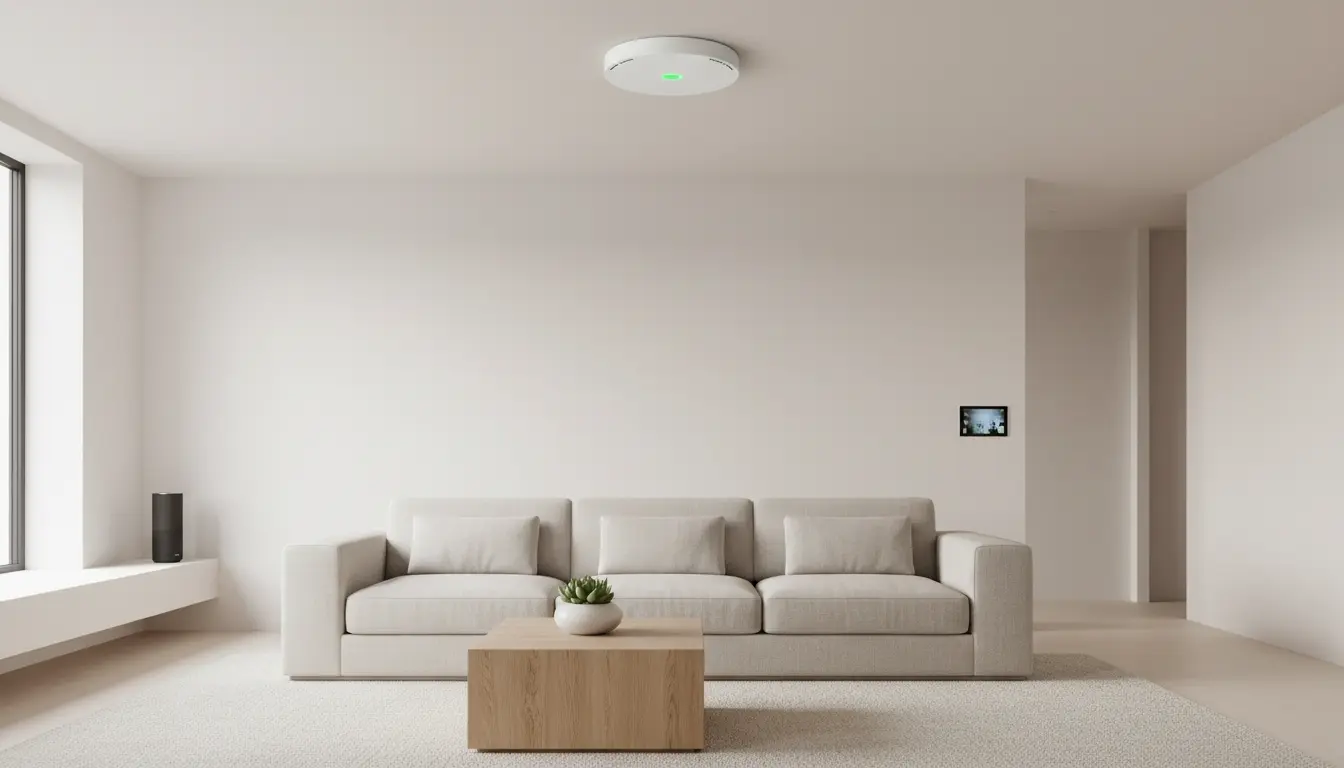
- Install detectors in every bedroom and hallway
- Place at least one unit on each floor
- Avoid installing near vents or windows
- Mount on ceilings or high on walls
Regular testing ensures your system remains functional.
Maintenance and Best Practices
To keep your detectors working properly:
- Test alarms monthly
- Replace batteries as needed
- Clean sensors to avoid dust buildup
- Replace units every 7–10 years
Smart detectors often simplify maintenance with automated alerts and diagnostics.
How Smart Detectors Improve Home Automation
Smart smoke and CO detectors integrate seamlessly with other smart devices. For example:
- Lights turn on automatically during an alarm
- HVAC systems shut down to prevent smoke spread
- Security systems notify emergency services
This interconnected approach creates a fully responsive safety system.
Common Mistakes to Avoid
Even with advanced technology, users sometimes make critical mistakes:
- Ignoring low battery alerts
- Installing too few detectors
- Disabling alarms after false alerts
- Choosing incompatible smart systems
Avoid these issues to ensure continuous protection.
Are Smart Detectors Worth the Investment?
Yes, absolutely. While they cost more than traditional alarms, the added safety, convenience, and control make them a valuable investment. Protecting your home and loved ones is worth the extra cost.
Conclusion
Smart smoke and carbon monoxide detectors represent a significant upgrade in home safety. They provide real-time alerts, smart integrations, and advanced detection technologies that traditional alarms simply cannot match.
Investing in a high-quality smart detector ensures that you stay informed and protected at all times. Whether you’re upgrading your current system or building a new smart home, these devices are an essential component of modern living.