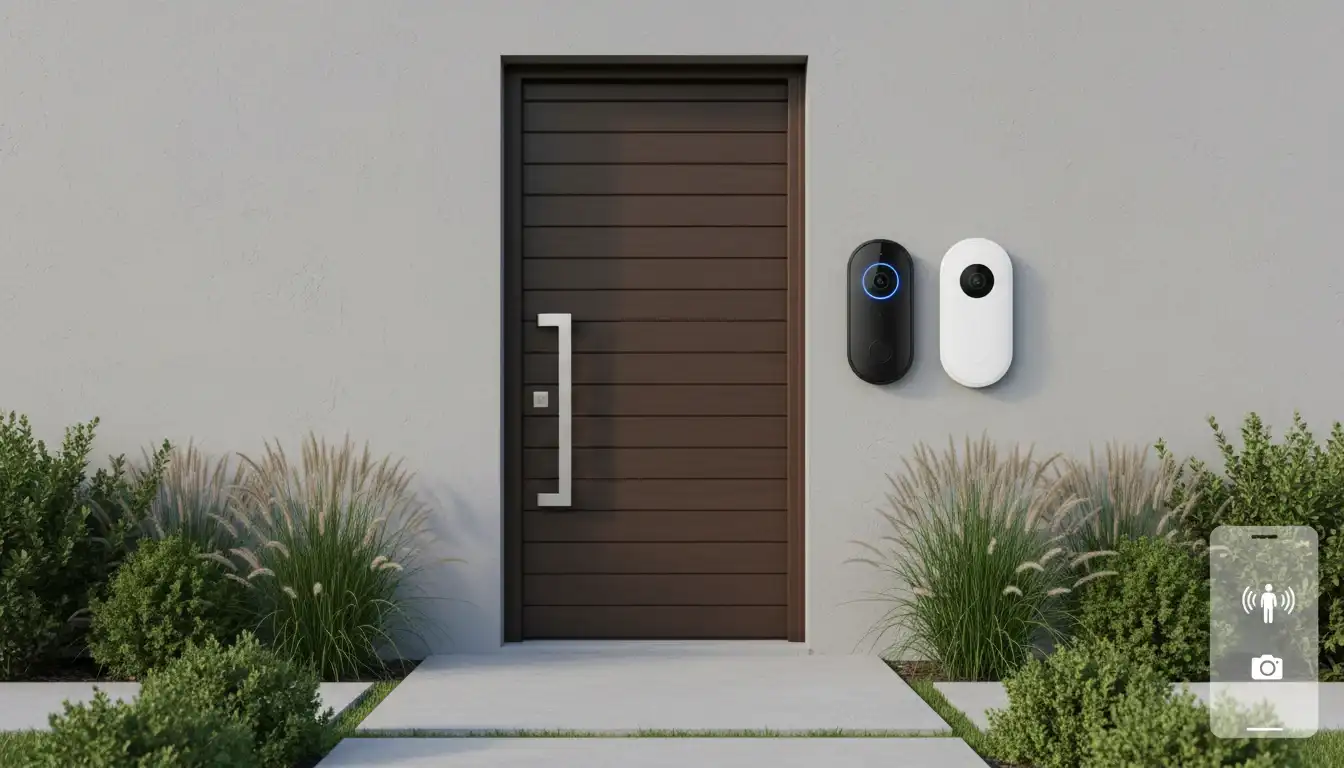

Ring Video Doorbell vs. Nest Doorbell: Which Smart Bell is Better?
Smart home security has become a priority for many homeowners, and video doorbells are at the center of this transformation. Two of the most popular options are the Ring Video Doorbell and the Google Nest Doorbell. Both offer powerful features, but they serve slightly different user needs. In this guide, you’ll discover which smart doorbell is better for your home by comparing design, features, pricing, and performance.
What Is a Smart Video Doorbell?
A smart video doorbell lets you see, hear, and speak to visitors at your door using your smartphone. It combines a camera, motion detection, and two-way audio to enhance home security. Whether you’re at home or away, you stay connected to your front door in real time.
Design and Build Quality
Both Ring and Nest deliver sleek, modern designs, but they take different approaches.


Ring Video Doorbell offers multiple models with customizable faceplates. You can match the device to your home’s aesthetic easily. The build feels durable and weather-resistant.
Nest Doorbell, on the other hand, focuses on minimalism. It comes in elegant colors and has a slim, seamless look that blends into modern homes. Google emphasizes simplicity and clean design.
If you prefer customization, Ring wins. If you like a premium minimalist design, Nest stands out.
Video Quality and Field of View
Video quality plays a major role in choosing a smart doorbell.
- Ring Video Doorbell typically offers 1080p HD video with a wide horizontal field of view.
- Nest Doorbell also provides HD video but uses a vertical field of view, which lets you see packages on the ground more clearly.
Nest’s HDR and night vision tend to produce slightly sharper images, especially in challenging lighting conditions. If package detection matters to you, Nest has a clear advantage.
Smart Features and AI Detection
This is where the real competition begins.
Ring Features:
- Motion detection alerts
- Custom motion zones
- Basic person detection (with subscription)
- Integration with Alexa
Nest Features:
- Advanced AI detection (people, animals, packages, vehicles)
- Facial recognition (familiar faces)
- Intelligent alerts without subscription (limited features)
- Integration with Google Assistant
Nest clearly leads in AI-powered smart alerts. It reduces false notifications and gives you more meaningful insights.
Subscription Plans and Costs
Both brands offer optional subscription plans for video storage and advanced features.
Ring Protect Plan:
- Starts at a low monthly cost
- Stores video history
- Unlocks person alerts and sharing features
Nest Aware Plan:
- Slightly more expensive
- Includes intelligent alerts and extended video history
- Works across multiple Nest devices
Ring is generally more budget-friendly, while Nest offers more advanced features in its ecosystem.
Installation and Setup
Both doorbells are easy to install, even for beginners.
- Ring provides battery-powered and wired options, making it flexible for different homes.
- Nest also offers both options but focuses on a cleaner setup with fewer steps.
If you want a quick DIY installation, both are excellent. However, Ring offers more flexibility for renters due to its battery options.
Smart Home Integration
Your existing ecosystem plays a huge role in your decision.
- Ring works best with Amazon Alexa devices like Echo Show.
- Nest Doorbell integrates seamlessly with Google Home and Nest Hub devices.
If you already use Alexa, go with Ring. If you’re invested in Google’s ecosystem, Nest is the better fit.
Privacy and Security
Privacy concerns are important when choosing a smart doorbell.
- Ring has faced criticism in the past regarding data sharing and privacy practices. However, Amazon has improved its security features.
- Nest (Google) emphasizes data encryption and user privacy controls, offering a more transparent approach.
If privacy is a top priority, Nest may give you more confidence.
Price Comparison
- Ring Video Doorbell: Generally more affordable, with multiple models for different budgets
- Nest Doorbell: Slightly more expensive but includes more advanced smart features
If you’re on a tight budget, Ring is the better option. If you want premium AI and smarter notifications, Nest justifies its price.
Pros and Cons
Ring Video Doorbell Pros:
- Affordable pricing
- Wide range of models
- Easy Alexa integration
- Flexible installation
Ring Video Doorbell Cons:
- Advanced features require subscription
- AI detection is less advanced
Nest Doorbell Pros:
- Superior AI detection
- Better video processing
- Strong Google ecosystem integration
- Cleaner design
Nest Doorbell Cons:
- Higher price
- Limited customization options
Which Smart Doorbell Should You Choose?
Choose Ring Video Doorbell if:
- You want a budget-friendly option
- You use Amazon Alexa
- You prefer flexible installation options
Choose Nest Doorbell if:
- You want smarter AI alerts
- You care about video quality and package detection
- You use Google Home devices
Both are excellent choices, but your ecosystem and priorities will determine the winner.
Final Verdict
There is no universal “best” smart doorbell—it depends on your needs. Ring delivers value and flexibility, while Nest offers intelligence and premium features. If you prioritize affordability and compatibility with Alexa, Ring is ideal. If you want cutting-edge AI and better security insights, Nest stands out.
Recommended Product (Amazon)
Ring Video Doorbell (2nd Generation)
This model offers great value with HD video, motion alerts, and easy installation. It’s perfect for beginners entering the smart home ecosystem.