
How Amazon’s Logistics Expansion Could Redefine Modern Supply Chains
A New Phase in Amazon’s Growth Strategy
Amazon has spent years building one of the most advanced delivery and fulfillment systems in the world. It created this network to support its own retail operations, speed up deliveries, and reduce its dependence on outside carriers. Now, the company is taking the next logical step: it is offering that logistics power to other businesses through Amazon Supply Chain Services.
This move matters because Amazon is no longer acting only as a retailer or marketplace operator. It is positioning itself as a full-service logistics partner. That shift could change how brands move products, manage inventory, and reach customers. It also signals a major change in the wider transportation and fulfillment landscape.
What Amazon Supply Chain Services Actually Offers
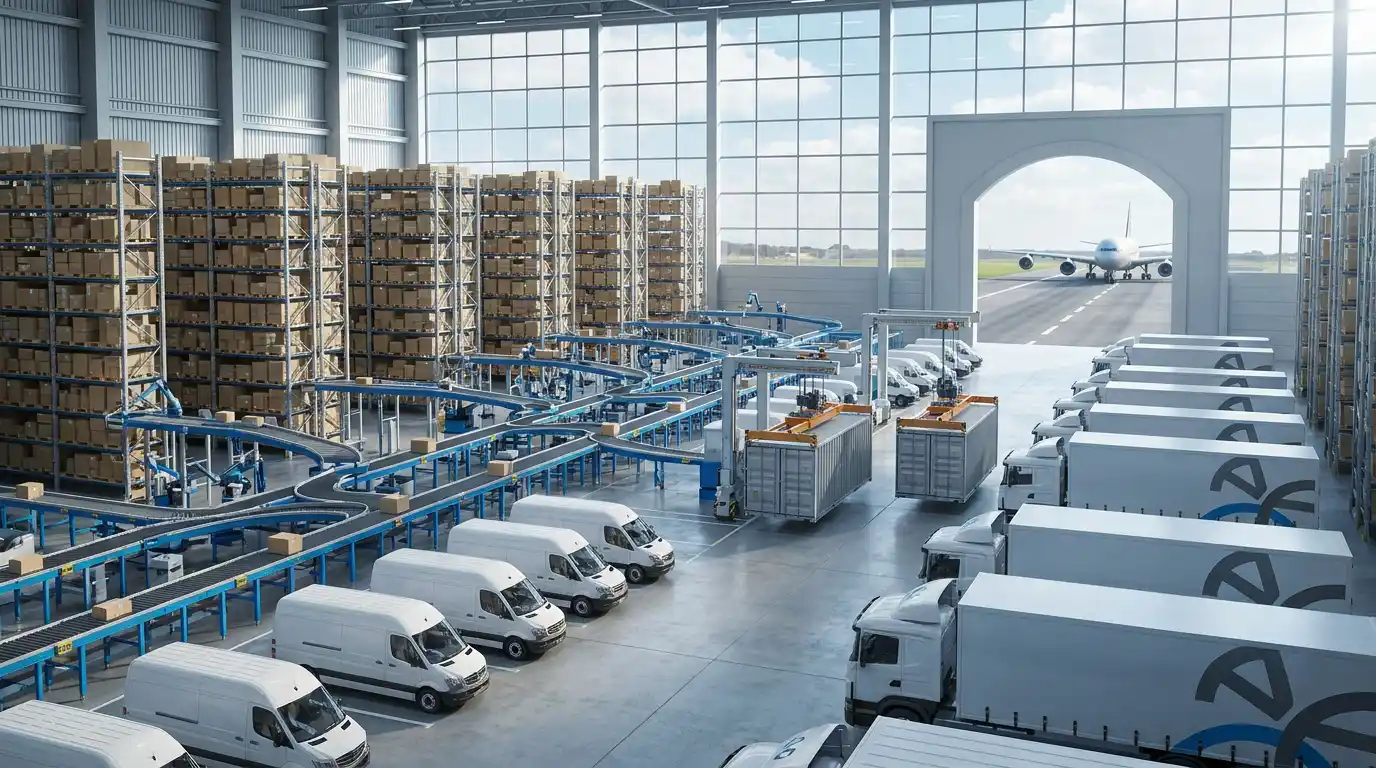
Amazon’s new service is not limited to one part of the delivery process. Instead, it covers several major logistics functions in a connected system. Businesses can use it for freight movement from factories, inventory storage, order fulfillment, and parcel shipping to end customers.
That full-package model gives companies a simpler way to manage operations. Instead of working with separate providers for shipping, warehousing, and delivery, brands can place more of the process under one system. This kind of integration appeals to companies that want faster execution, better visibility, and fewer supply chain gaps.
In practice, this means Amazon is entering the broader world of third-party logistics more aggressively. It already had strong experience in fulfillment. Now it is widening that capability into a full commercial offer for businesses beyond its own seller ecosystem.
Why This Expansion Makes Strategic Sense
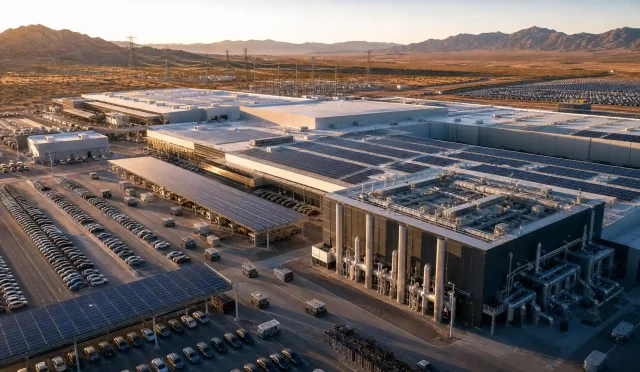
Amazon did not build its logistics machine overnight. It invested heavily in warehouses, trucking capacity, aircraft, sorting hubs, and delivery infrastructure. Those investments gave the company more control over service quality and timing. They also helped it strengthen last-mile delivery, which often determines whether a customer feels satisfied with an order.
Opening this network to outside companies allows Amazon to monetize infrastructure it already built. That mirrors a pattern seen in other successful business expansions: first build for internal efficiency, then sell the capability as a service.
From a business perspective, this strategy is smart. A network that once existed mainly to support Amazon’s own operations can now generate additional revenue from manufacturers, retailers, and consumer brands. That creates a stronger return on years of capital investment.
What Businesses Stand to Gain
For many companies, supply chain complexity remains a constant challenge. Rising transportation costs, inventory delays, and fragmented shipping operations can weaken customer satisfaction and profit margins. Amazon’s offering may appeal to businesses that want a more unified solution.
A company that uses Amazon’s network could potentially improve freight management, speed up order processing, and deliver products more consistently. Those are meaningful advantages in a market where customer expectations keep rising.
The service may especially benefit brands that need stronger e-commerce logistics capabilities. Online shoppers expect fast delivery, accurate tracking, and fewer disruptions. Businesses that cannot meet those expectations risk losing market share. Amazon understands those consumer behaviors better than almost anyone, so its system may feel attractive to companies that want to compete at a higher level.
Pressure on Traditional Logistics Providers
Amazon’s expansion will not happen in a vacuum. It will likely increase pressure on existing carriers, shipping firms, and distribution partners. Many of those companies have worked with Amazon in some capacity, but they may now face it as a direct competitor.
That creates a new level of industry tension. On one hand, Amazon can drive innovation through efficiency, scale, and technology. On the other hand, its entry could intensify competition in a sector that already operates on thin margins.
If Amazon wins more business, traditional providers may have to rethink pricing, service models, and digital tools. They may also need to improve supply chain optimization to keep pace with Amazon’s operational speed.
The Risks Behind the Opportunity
Despite its strengths, Amazon’s expansion is not risk-free. Some businesses may hesitate to trust a company that is also a powerful retail force. Brands could worry about overdependence, data visibility, or competitive exposure. Others may prefer a more neutral logistics partner.
There is also the challenge of scale. Managing logistics for outside businesses across multiple industries requires flexibility, customization, and reliable execution. Amazon has strong infrastructure, but every industry has different operational demands. Healthcare, manufacturing, and retail do not all move products in the same way.
Even so, Amazon’s track record suggests that it will keep refining the model. The company usually enters complex markets with a long-term plan, not a short experiment.
A Potential Turning Point for Global Commerce
Amazon’s decision to commercialize its logistics network reflects a broader shift in modern commerce. Businesses no longer compete only on product quality or price. They also compete on speed, consistency, and delivery experience. Logistics has become a growth engine, not just a back-end function.
That is why this move could reshape the market. Amazon is turning operational strength into a standalone business advantage. If the model succeeds, more companies may rethink how they outsource shipping, store inventory, and serve customers.
In the long run, Amazon Supply Chain Services could become one of the most influential logistics offerings in the market. It gives businesses access to infrastructure that took years to build, and it may push the entire industry toward faster, smarter, and more connected fulfillment.
Product Recommendation
Rollo Shipping Label Printer — a practical choice for small businesses that want faster packing, cleaner labels, and smoother daily shipping operations.