
Roborock Mower vs. Worx Landroid: The Automated Lawn Battle
Robotic lawn care has moved from a niche idea to a practical solution for homeowners who want a cleaner yard with less effort. In this growing category, two names attract serious attention: Roborock Mower and Worx Landroid. Both promise smarter mowing, less manual labor, and a more polished lawn. However, they approach the task in different ways.
If you want to invest in a robotic lawn mower, you need more than flashy features. You need a machine that fits your lawn size, terrain, layout, and maintenance habits. This comparison breaks down the real differences between Roborock and Worx Landroid so you can choose the right model for your garden.
Why This Comparison Matters
Modern homeowners want efficient tools that save time and improve daily life. That is exactly why smart lawn care continues to grow in popularity. People no longer want to push heavy mowers every weekend, especially during peak growing season. Instead, they want a machine that quietly works in the background and keeps the yard consistently neat.
Roborock brings a reputation for advanced home robotics and intelligent navigation. Worx Landroid, on the other hand, has built a strong following in the outdoor power equipment market with flexible models and broad user appeal. On paper, both look impressive. In practice, your choice depends on how much you value navigation accuracy, setup simplicity, software intelligence, and long-term mowing convenience.
Design Philosophy and First Impressions
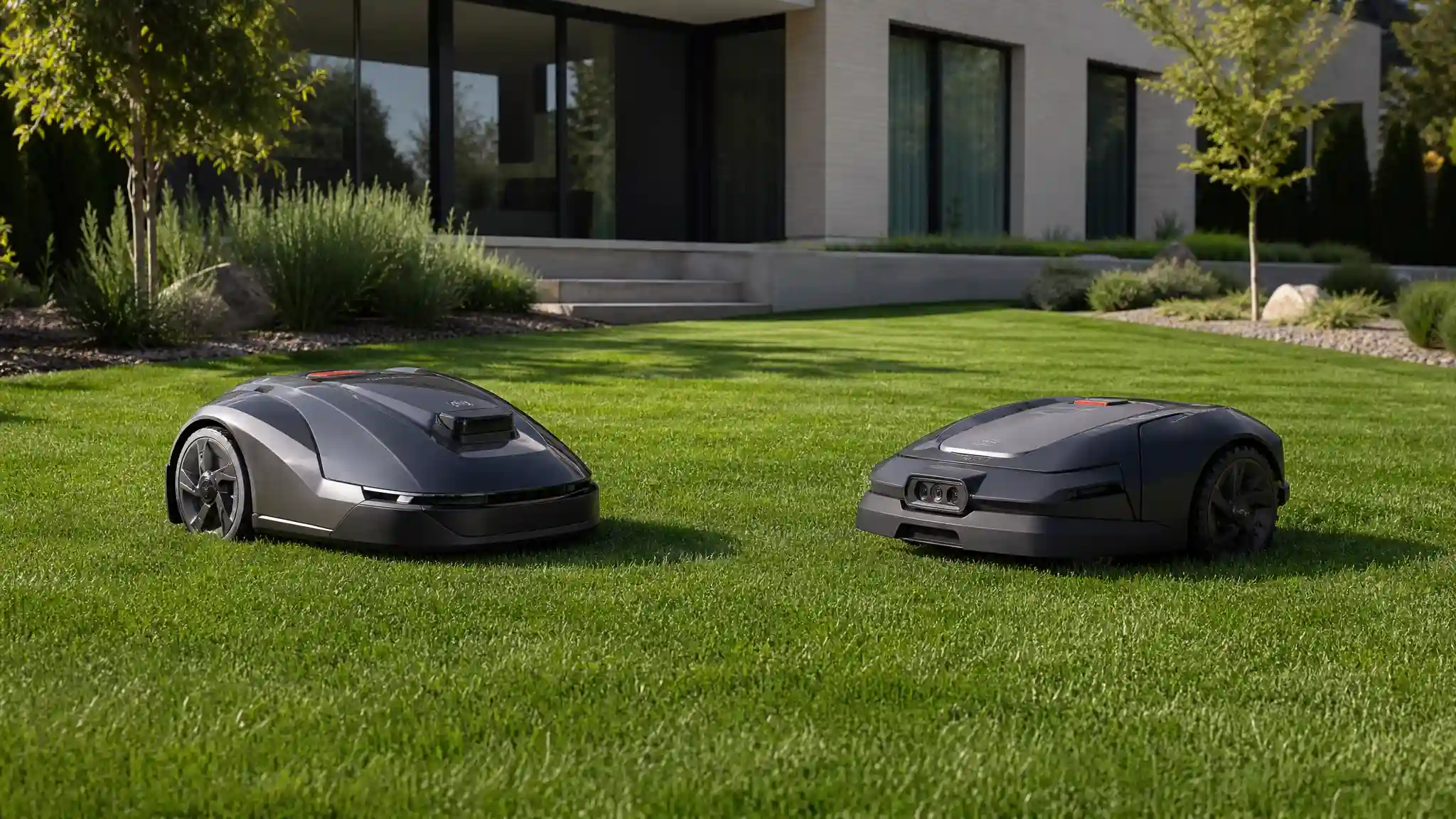
Roborock enters the market with a premium, technology-first mindset. Its mower design feels modern, refined, and heavily influenced by indoor robot vacuum innovation. It often emphasizes sensors, mapping, and high-efficiency movement. If you like products that feel engineered around software intelligence, Roborock immediately stands out.
Worx Landroid feels more familiar to many homeowners. It aims for accessibility and modular convenience. The brand focuses on practical outdoor use and often delivers models for different lawn sizes and budgets. That makes Landroid attractive for users who want a proven lawn maintenance robot without paying for features they may never use.
From a visual and usability standpoint, Roborock often looks like the futuristic option, while Landroid feels like the adaptable, homeowner-friendly alternative.
Navigation Technology: Precision vs. Practicality
One of the biggest differences in this automated lawn battle comes down to navigation.
Roborock typically leans into advanced mapping and sensor-based guidance. Depending on the model, users may benefit from highly intelligent route planning, better edge behavior, and more structured movement. This gives Roborock an edge for buyers who want strong lawn mapping technology and a premium GPS navigation mower experience. Smarter pathing can reduce missed patches and unnecessary overlap, which improves efficiency.
Worx Landroid traditionally relies more on perimeter wire systems, though some models include upgraded smart features. In many cases, it remains a boundary wire mower, which is not necessarily a weakness. Boundary wire systems still work well for many lawns, especially when installed correctly. They create clear mowing zones and help the machine stay within safe limits.
If your yard has complex sections, narrow passages, and decorative elements, navigation quality matters a lot. Roborock may appeal more to users who want cleaner digital mapping and smarter autonomy. Landroid remains a strong option if you are comfortable with wire-based structure and want a dependable automatic grass cutting routine.
Setup and Installation Experience
Setup often decides whether a robotic mower feels exciting or frustrating.
Roborock usually targets a cleaner, more advanced onboarding process. If the system supports enhanced mapping and fewer physical boundary requirements, users may spend less time laying wire and more time fine-tuning mowing schedules. That creates a smoother start for tech-savvy homeowners who want faster deployment.
Worx Landroid can require more effort during installation, especially if the lawn depends on a full wire layout. Installing a boundary wire mower takes patience. You need to map the perimeter carefully, protect flower beds, and handle tight corners properly. The good news is that once the wire is installed well, the system can run reliably for a long time.
For homeowners who prefer plug-and-play convenience, Roborock may feel more appealing. For users who do not mind hands-on setup and want solid control over mowing zones, Landroid still offers strong value.
App Control and Smart Features
Today’s mower buyers expect more than a timer and a start button. They want a truly app-controlled mower that gives them scheduling, zone management, notifications, and remote adjustments.
Roborock generally shines in software-driven ecosystems. If you already use smart home devices, Roborock may feel like a natural fit. The app experience often emphasizes real-time control, route visibility, and intelligent adjustments. That makes it a compelling option for people who value garden automation and want a connected yard care experience.
Worx Landroid also offers app integration and smart controls, and it has built a reputation for letting users personalize mowing behavior. Depending on the model, users can manage schedules, weather response, and special functions. Landroid’s system often feels practical and user-oriented rather than aggressively premium.
If software quality is your top priority, Roborock may have a slight advantage. If you want flexible app features with a more established outdoor-use identity, Landroid remains competitive.
Cutting Performance and Lawn Quality
A robotic mower succeeds only if it keeps the lawn healthy and visually consistent.
Roborock focuses on efficient route planning, which can translate into even coverage and less wasted movement. A mower that travels smarter usually preserves battery life and spends more time cutting. This matters for medium and large lawns that demand consistent performance. A well-planned self-charging mower also reduces downtime because it returns to its dock strategically and resumes work with less confusion.
Worx Landroid has long earned praise for maintaining lawns through regular trimming rather than deep, occasional cuts. That approach works well because robotic mowing depends on frequency. Instead of removing a large amount of grass at once, the mower trims lightly and often. This helps maintain a healthier lawn and reduces visible clippings.
If your property includes separate areas, both brands must handle multi-zone mowing effectively. This feature becomes essential when the front yard, backyard, or side paths need different mowing schedules. Buyers with segmented landscapes should pay close attention to zone support before choosing a model.
Obstacle Avoidance and Safety
No homeowner wants a mower that constantly bumps into furniture, toys, pets, or landscaping features. Strong sensing matters.
Roborock often positions itself as a leader in intelligent detection. A premium obstacle avoidance mower can reduce collisions, avoid unnecessary rerouting, and protect the machine from damage. For families with active outdoor spaces, this is a major advantage.
Worx Landroid also includes obstacle handling, though performance may vary by model and add-on configuration. Some Landroid setups do very well in normal residential settings, but advanced obstacle recognition may not feel as refined as Roborock’s more tech-heavy approach.
Safety also matters around slopes, borders, and rain conditions. A capable slope climbing mower is important if your lawn is uneven or has elevation changes. Before buying either brand, always match the model’s incline rating to your actual terrain.
Noise Levels and Everyday Convenience
A quiet machine improves the ownership experience more than many buyers realize. One reason robotic mowers continue to gain popularity is that they operate with far less noise than traditional gas machines.
Both brands aim to function as a quiet robotic mower, but quieter performance feels especially valuable in suburban neighborhoods, early morning schedules, and homes with children or remote workers. If you want your mower to run in the background without disturbing daily life, both options can outperform conventional lawn tools.
Convenience also includes charging behavior, weather awareness, and maintenance alerts. A reliable self-charging mower should leave the dock, complete its route, and return automatically without repeated intervention. In this category, software consistency matters almost as much as hardware quality.
Which Brand Offers Better Value?
Value does not always mean the lowest price. Real value comes from matching features to your lawn and avoiding unnecessary compromise.
Roborock may cost more, but it often justifies that premium with smarter navigation, polished software, and a more advanced AI lawn mower identity. If you want next-generation automation and are willing to invest in convenience, Roborock may deliver stronger long-term satisfaction.
Worx Landroid often wins on flexibility. It appeals to budget-conscious buyers, first-time robot mower users, and homeowners who want a trusted ecosystem with multiple model choices. If your lawn fits well within its capabilities, Landroid can deliver excellent results without pushing you into a premium price tier.
In short:
- Choose Roborock if you want smarter mapping, cleaner automation, and a high-tech mowing experience.
- Choose Worx Landroid if you want practical value, flexible options, and a proven residential mowing platform.
Final Verdict: Roborock or Worx Landroid?
The winner depends on your lawn and your priorities.
If you want a more advanced robotic experience with stronger intelligence, refined controls, and powerful mapping support, Roborock looks like the future-facing option. It suits homeowners who want a premium robotic lawn mower that behaves like a truly smart outdoor device.
If you want dependable performance, strong app support, and a mower line that serves a wide range of yard sizes and budgets, Worx Landroid remains an excellent choice. It offers practical automation and reliable everyday performance for homeowners who want simple results without overcomplicating the process.
Both brands support the bigger trend toward smart lawn care, reduced manual effort, and more efficient garden automation. The best decision comes down to whether you prefer premium intelligence or practical flexibility.
Amazon.com Product Recommendation
Recommended Amazon.com product: WORX Landroid M 20V Robotic Lawn Mower
This is a strong option for homeowners who want dependable app control, routine mowing performance, and a user-friendly entry into automated lawn care.