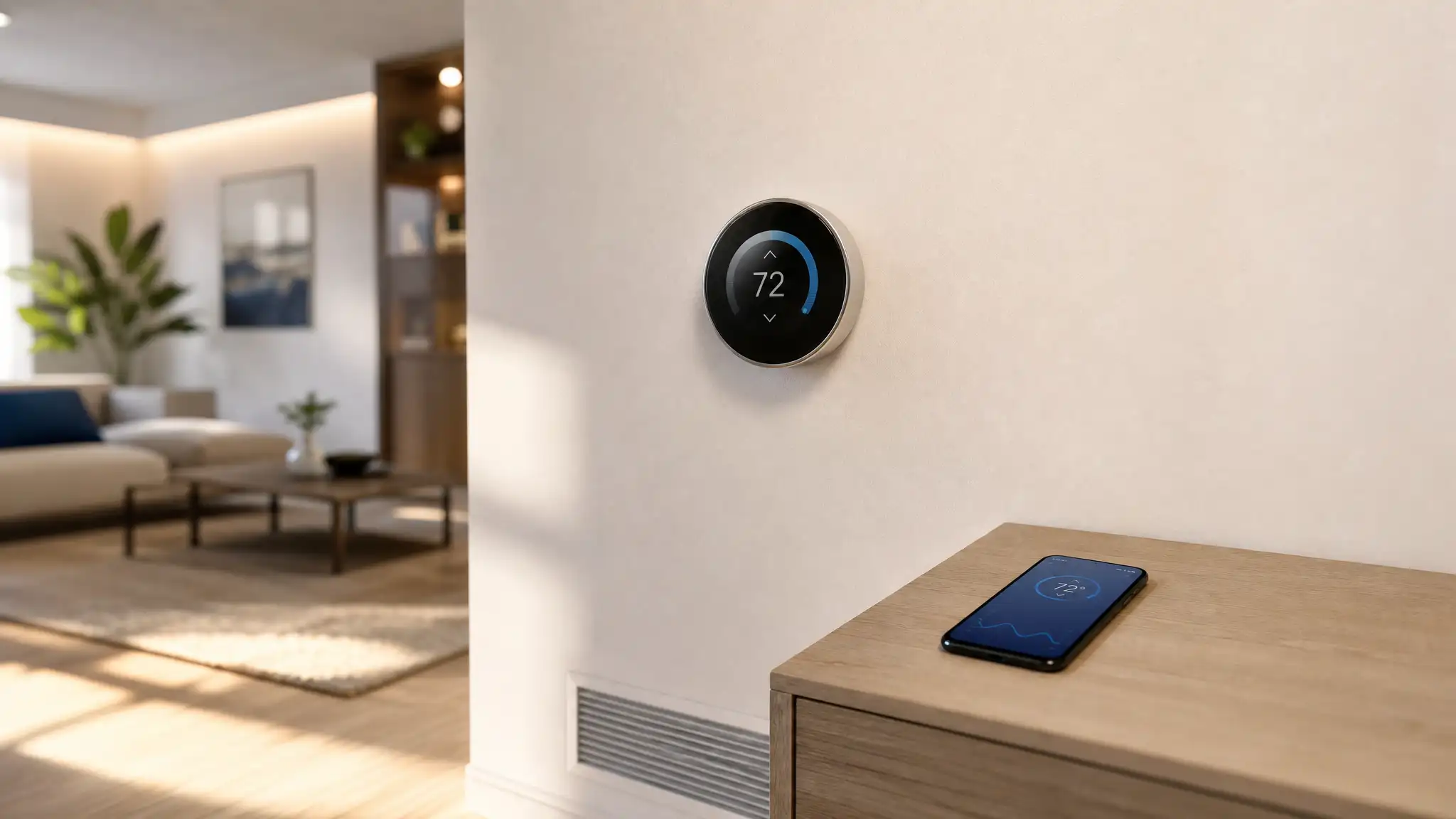

Google Nest vs. Ecobee Smart Thermostat: Which Is Smarter for Modern Homes?
Smart home technology has transformed the way homeowners manage comfort, energy consumption, and daily convenience. Among the most popular smart thermostat brands on the market, Google Nest and Ecobee consistently stand out as top contenders. Both devices offer advanced automation, energy-saving features, and seamless smart home integration. However, many homeowners still ask the same question: Which smart thermostat is actually smarter?
In this detailed comparison, we will explore the strengths and weaknesses of both platforms, compare their intelligent features, and help you determine which thermostat best fits your home, lifestyle, and energy-saving goals.
Why Smart Thermostats Matter
Traditional thermostats require manual adjustments and often lead to unnecessary energy consumption. A smart thermostat learns your preferences, adjusts temperatures automatically, and helps optimize heating and cooling schedules.



Modern smart thermostats can:
- Reduce energy bills
- Improve indoor comfort
- Enable remote temperature control
- Integrate with voice assistants
- Provide detailed energy usage reports
- Support home automation systems
Google Nest and Ecobee have become leaders in this category because they focus heavily on intelligent climate management and user convenience.
Overview of Google Nest Thermostat
Google Nest revolutionized the thermostat industry when it introduced machine learning capabilities to home temperature control. The Nest Learning Thermostat remains one of the most recognized smart home devices available today.
Key features include:
- Self-learning temperature adjustments
- Google Assistant integration
- Home and Away Assist
- Energy-saving recommendations
- Remote control through the Google Home app
- HVAC system compatibility
- Sleek minimalist design
Nest focuses on simplicity and automation. The system observes your habits and gradually creates an optimized schedule without requiring extensive manual programming.
How Nest Learns User Behavior
One of Nest’s strongest advantages is its learning algorithm. During the first few weeks, the thermostat tracks temperature changes made by household members.
Over time, Nest automatically develops a schedule that reflects daily routines. If users consistently increase the temperature in the morning and lower it at night, the thermostat begins making those adjustments automatically.
This machine-learning approach minimizes manual setup and creates a highly personalized experience.
Overview of Ecobee Smart Thermostat
Ecobee takes a slightly different approach. Instead of relying primarily on learning algorithms, it emphasizes advanced sensors, room-by-room comfort, and extensive customization.
Popular Ecobee features include:
- SmartSensor technology
- Built-in Alexa support
- Voice control capabilities
- Occupancy detection
- Detailed energy reports
- Smart home ecosystem integration
- Advanced scheduling controls
Ecobee thermostats are particularly appealing to homeowners who want precise temperature management throughout multiple rooms.
SmartSensor Technology
Ecobee’s standout feature is its SmartSensor system.
These wireless sensors monitor:
- Room occupancy
- Temperature variations
- Movement patterns
Instead of measuring temperature from only one location, Ecobee balances comfort throughout the home. This approach reduces hot and cold spots and creates a more consistent indoor climate.
For larger homes, SmartSensors can significantly improve comfort levels compared to single-sensor systems.
Design and User Experience
Google Nest Design
Nest products feature a modern and elegant appearance.
Advantages include:
- Premium metal finish
- Rotating dial interface
- Minimalist display
- Clean installation profile
The Nest interface feels intuitive, making it easy for users of all technical skill levels.
Ecobee Design
Ecobee adopts a touchscreen-focused design.
Benefits include:
- Larger display
- Smartphone-like navigation
- Detailed menu options
- Easy access to settings
While some users prefer Nest’s simplicity, others appreciate Ecobee’s expanded customization options.
Smart Home Integration Comparison
A thermostat becomes significantly more valuable when it works seamlessly with other smart devices.
Google Nest Ecosystem
Nest naturally integrates with:
- Google Home
- Google Assistant
- Chromecast devices
- Google smart speakers
- Google smart displays
For households already invested in Google’s ecosystem, Nest provides a highly unified experience.
Ecobee Ecosystem
Ecobee offers broad compatibility with:
- Amazon Alexa
- Apple HomeKit
- Google Assistant
- Samsung SmartThings
- IFTTT automation
This flexibility makes Ecobee attractive for users with diverse smart home setups.
When it comes to cross-platform compatibility, Ecobee generally offers greater versatility.
Energy Efficiency and Savings
One of the primary reasons homeowners purchase a smart thermostat is energy conservation.
Nest Energy-Saving Features
Google Nest includes:
- Eco Temperature mode
- Seasonal Savings updates
- Home and Away Assist
- Energy History reports
The thermostat automatically adjusts settings when nobody is home, helping reduce unnecessary HVAC operation.
Ecobee Energy Management
Ecobee delivers savings through:
- Occupancy sensors
- Smart Recovery technology
- Eco+ optimization
- Detailed performance insights
Ecobee’s room sensors can identify unused areas and optimize heating and cooling more effectively in larger homes.
Which Saves More Energy?
Actual savings depend on household behavior, climate, insulation quality, and HVAC efficiency.
However, studies and user reports frequently indicate that both systems can reduce heating and cooling costs by approximately 10% to 25% annually when used properly.
The difference in energy savings is typically small, making other features more important in the buying decision.
Voice Assistant Capabilities
Voice control has become a major part of smart home automation.
Nest Voice Control
Nest works exceptionally well with:
- Google Assistant
- Google Home speakers
- Google Nest Hub devices
Users can easily say:
“Hey Google, set the temperature to 72 degrees.”
The integration feels natural and highly responsive.
Ecobee Voice Control
Many Ecobee models include Alexa directly inside the thermostat.
Users can:
- Control smart devices
- Ask questions
- Play music
- Set reminders
- Adjust temperatures
Having Alexa built directly into the thermostat adds convenience without requiring additional smart speakers.
Installation and Setup
Nest Installation
Nest installation is generally straightforward.
Advantages include:
- Guided setup process
- Simple mobile app instructions
- Wide HVAC compatibility
Many homeowners can complete installation within an hour.
Ecobee Installation
Ecobee installation can be slightly more involved because of:
- Sensor configuration
- Additional wiring requirements in some homes
- Expanded setup options
However, Ecobee provides excellent installation guides and support resources.
Mobile App Experience
Google Home App
Nest devices now operate primarily through the Google Home platform.
Features include:
- Remote access
- Scheduling controls
- Energy tracking
- Automation management
The app focuses on simplicity and ease of use.
Ecobee App
The Ecobee app offers:
- Detailed analytics
- Sensor management
- Custom comfort settings
- Advanced scheduling
Power users often appreciate the additional controls available within Ecobee’s ecosystem.
Comfort and Temperature Accuracy
Temperature accuracy plays a major role in everyday satisfaction.
Nest Performance
Nest performs well in:
- Small homes
- Apartments
- Open floor plans
The thermostat excels at learning user behavior and maintaining predictable comfort levels.
Ecobee Performance
Ecobee often performs better in:
- Multi-story homes
- Larger properties
- Homes with uneven temperatures
Its room sensors create a more balanced climate throughout the house.
If temperature consistency across several rooms is your top priority, Ecobee usually has the advantage.
Security and Privacy Considerations
As connected devices collect user data, privacy remains an important concern.
Google Nest Privacy
Google provides:
- Two-factor authentication
- Secure cloud infrastructure
- Device encryption
- Account protection features
However, some privacy-conscious users may have concerns regarding Google’s broader data ecosystem.
Ecobee Privacy
Ecobee also implements:
- Secure account protection
- Encrypted communication
- Privacy controls
Many users appreciate Ecobee’s transparent approach to data management.
Price and Long-Term Value
Pricing varies depending on model and promotions.
Typically:
- Nest Thermostat offers a lower entry price.
- Nest Learning Thermostat sits in the premium category.
- Ecobee Smart Thermostat Premium often includes sensors and voice capabilities.
While Ecobee may initially cost more, bundled SmartSensors can provide additional value and enhanced comfort.
Which Smart Thermostat Is Smarter?
The answer depends on how you define intelligence.
Choose Google Nest if you want:
- Automatic learning technology
- Minimal manual configuration
- Deep Google ecosystem integration
- Elegant design
- Simplicity and convenience
Choose Ecobee if you want:
- Room-by-room temperature control
- Advanced customization
- Better support for large homes
- Built-in Alexa functionality
- Broader smart home compatibility
For pure machine learning and automation, Google Nest earns the edge.
For overall home comfort, flexibility, and sensor-based intelligence, Ecobee often delivers a more comprehensive solution.
Final Verdict
Both Google Nest and Ecobee rank among the best smart thermostats available today. Nest excels with its intelligent learning capabilities and streamlined user experience, while Ecobee shines through advanced sensors, room-level comfort management, and broader smart home integration.
Homeowners seeking effortless automation will likely prefer Nest. Those wanting greater control, improved comfort across multiple rooms, and stronger smart home flexibility may find Ecobee to be the smarter investment.
Ultimately, either choice can significantly reduce energy consumption, enhance home comfort, and bring modern convenience to your daily routine.
Recommended Product on Amazon
Product: ecobee Smart Thermostat Premium