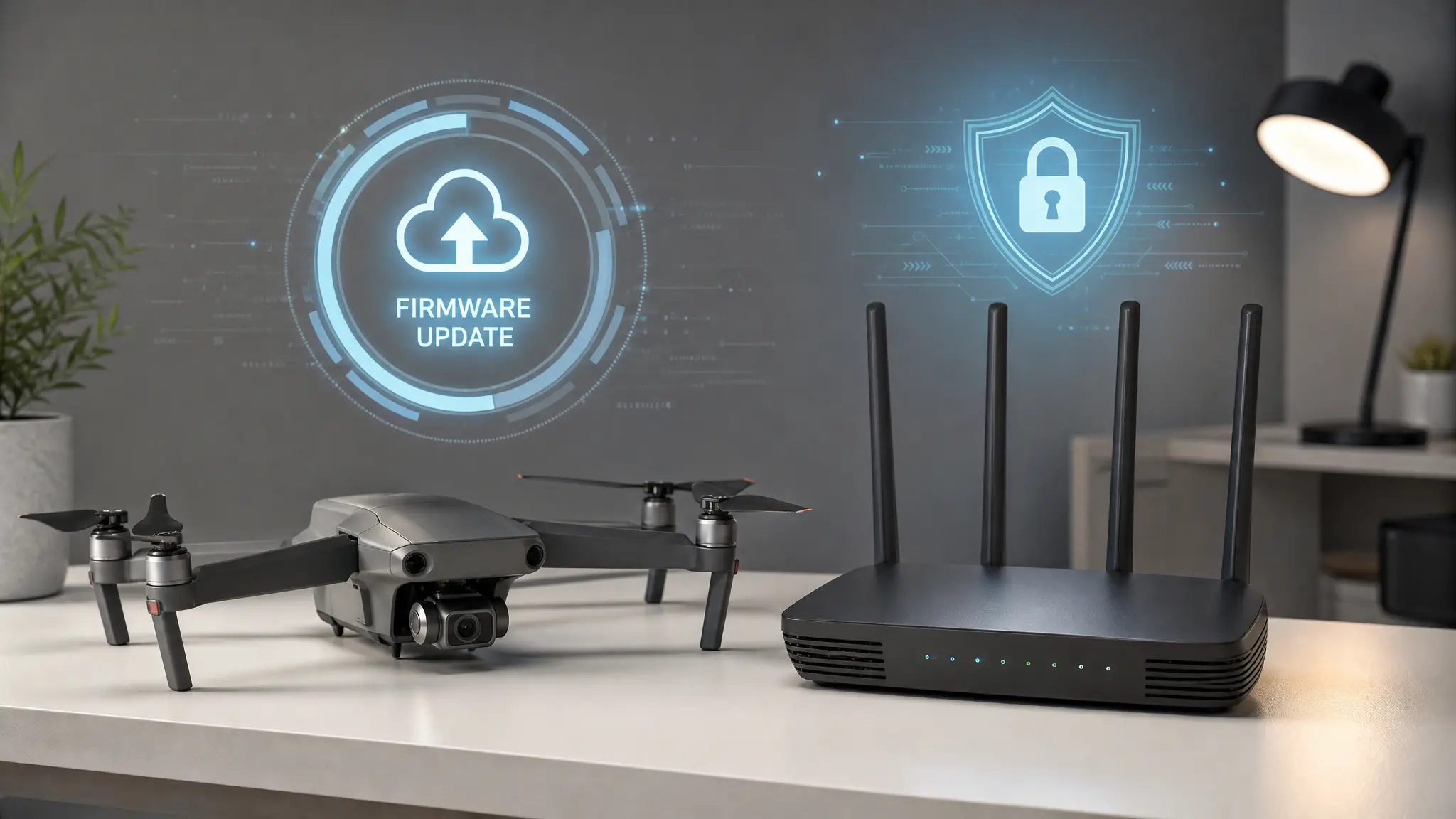

Banned Drones and Routers in the US Will Still Receive Critical Updates Until 2029
The United States has extended the update window for certain banned foreign-made drones and routers, allowing consumers to continue receiving critical software and firmware fixes until January 1, 2029. The decision gives owners of affected devices more time to use their products safely while manufacturers, regulators, and consumers adjust to tighter national security rules.
The move focuses on devices that have already been authorized for use but are now connected to broader security concerns. These products include some foreign-manufactured drones, drone components, and networking devices such as routers. Although these devices remain subject to restrictions, the latest update policy allows companies to issue patches that reduce security risks and protect users from potential harm.
Why the Update Deadline Matters
The extension matters because many consumers, businesses, public agencies, and hobbyists still depend on affected equipment. Drones support photography, inspections, mapping, agriculture, emergency response, and infrastructure monitoring. Routers, meanwhile, serve as the backbone of home and business internet access.
Without firmware updates, these devices could become more vulnerable to cyberattacks, data exposure, and technical failures. Security patches often fix weaknesses that criminals can exploit. They also improve system stability, close loopholes, and help devices comply with newer safety expectations.
By allowing critical updates until 2029, regulators aim to balance national security concerns with consumer protection. The policy does not fully reverse restrictions on banned communications equipment. Instead, it creates a limited path for updates that directly reduce risks for people who already own these devices.
Drones Added to Security Risk List
Regulators added uncrewed aircraft systems, commonly known as drones, and drone-related components to the official list of communications equipment and services considered a national security concern. This action reflected growing worries about data collection, remote access, supply chain security, and the role of connected aircraft in sensitive environments.
Modern drones often include cameras, GPS modules, wireless transmitters, cloud syncing tools, and mobile app controls. These features make drones powerful and useful, but they also create security questions. If a device handles location data, images, flight logs, or network communication, regulators may examine how that data moves and who can access it.
The update extension means owners of affected drones may still receive security updates, bug fixes, and firmware patches that reduce possible harm. However, the policy does not necessarily mean every feature update or product enhancement will continue. The focus remains on critical updates that protect consumers and address known vulnerabilities.
Routers Also Face New Restrictions
Foreign-made routers were also added to the restricted category after growing concern over network security. Routers control the flow of internet traffic inside homes, offices, schools, and small businesses. Because they sit at the center of a network, compromised routers can expose connected devices, redirect traffic, or allow unauthorized access.
This makes router firmware updates especially important. A router without regular patches can become an easy target for attackers. Even older devices may continue operating for years, which increases the need for long-term protection.
The updated policy gives affected router owners a longer runway. Instead of losing support in 2027, consumers can now receive critical patches through the start of 2029. This added time may help households and organizations plan replacements without immediately exposing their networks to avoidable risks.
A Balance Between Security and Consumer Protection
The decision highlights a practical challenge in technology regulation. When governments restrict products over security concerns, millions of already-purchased devices may remain in daily use. Cutting off updates too quickly can create new risks rather than solve existing ones.
The extension recognizes that consumer device safety depends on responsible patching. If manufacturers cannot provide security fixes, users may face higher exposure to cyber threats. At the same time, regulators continue to limit the role of products they consider risky in sensitive communications environments.
This middle-ground approach lets users maintain safer devices while the market shifts toward approved alternatives. It also gives manufacturers and retailers more time to understand the scope of the rules and communicate with customers.
What Consumers Should Do Now
Owners of affected drones and routers should take several practical steps. First, they should check for official firmware updates regularly and install critical security patches as soon as they become available. Delaying updates can leave known vulnerabilities open.
Second, users should review device settings. Drone owners should limit unnecessary data syncing, use strong account passwords, and avoid flying in restricted or sensitive areas. Router owners should change default passwords, enable strong encryption, disable unused remote access features, and monitor connected devices.
Third, consumers should begin planning for future replacement. The 2029 extension offers time, but it does not guarantee long-term support beyond that date. Anyone relying on affected equipment for business, public safety, or essential connectivity should evaluate compliant alternatives before the deadline approaches.
Industry Pressure and Calls for Clarity
Industry groups and technology companies have pushed regulators to provide more clarity around the rules. They have asked for a clearer definition of affected products, a longer update period for previously authorized devices, and stronger coordination among national security agencies.
These concerns reflect the complexity of modern supply chains. A product may include components, software, cloud services, mobile apps, or wireless modules from several countries. Clear guidance helps companies determine which products fall under restrictions and which updates they can legally provide.
For consumers, clearer rules reduce confusion. People need to know whether their router or drone will keep receiving patches, what types of updates are allowed, and when they should replace affected devices.
What the 2029 Deadline Means
The January 1, 2029 deadline gives users a defined timeline. Until then, eligible banned drones and routers can still receive critical software and firmware updates designed to reduce harm. This does not remove national security concerns, but it does help prevent unsupported devices from becoming immediate security liabilities.
The news also signals that regulators understand the real-world impact of connected technology bans. Drones and routers are not just optional gadgets for many users. They support work, safety, communication, and daily internet access.
For now, consumers should keep their devices patched, follow security best practices, and prepare for a future transition. The extension offers breathing room, but it also serves as a reminder that connected devices require ongoing trust, transparency, and protection.
Amazon Product Recommendation
For users planning to replace an older home networking device, a Wi-Fi 6 router such as the TP-Link AX1800 WiFi 6 Router is a practical option available on Amazon.com. It offers faster wireless performance, improved coverage, and modern security features for everyday home use.