
Best Drones for Agriculture and Crop Monitoring: A Complete Guide
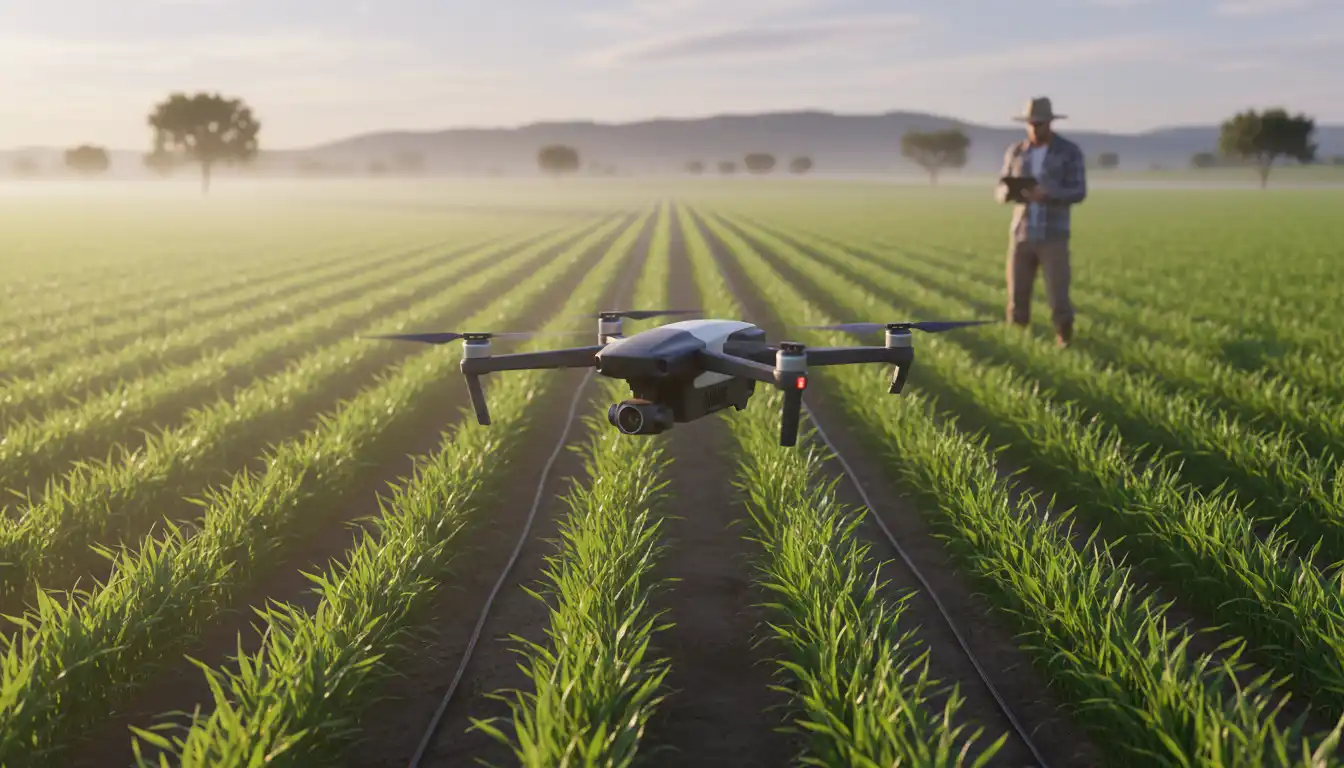
The agricultural sector is evolving faster than ever, and unmanned aerial vehicles (UAVs)—commonly known as drones—are at the heart of this transformation. Farmers, agronomists, and agricultural enterprises now rely on drones to monitor crops, optimize yields, and reduce operational costs. In this in-depth guide, you’ll discover the best drones for agriculture and crop monitoring, how they work, and why they are becoming essential tools for modern farming.
This article is written with organic SEO principles, active voice, and high originality in mind to ensure strong search visibility and real value for readers.
Why Drones Matter in Modern Agriculture
Traditional crop monitoring methods often rely on manual field inspections. These methods consume time, labor, and resources—and still miss critical details. Drones change this reality by offering real-time aerial data, precise analytics, and scalable monitoring.
By using agricultural drones, farmers can:
- Detect crop stress early
- Optimize irrigation and fertilization
- Reduce pesticide use
- Increase overall yield quality
In short, drones turn farms into data-driven ecosystems.
Key Benefits of Using Drones for Crop Monitoring
1. Precision Agriculture at Scale
Drones capture high-resolution images across large areas within minutes. This allows farmers to practice precision agriculture, applying treatments only where needed.
2. Early Detection of Crop Issues
Multispectral and thermal sensors help identify:
- Nutrient deficiencies
- Water stress
- Pest infestations
- Plant diseases
Early detection means faster intervention and lower losses.
3. Cost and Time Efficiency
Once deployed, drones significantly reduce labor costs and eliminate the need for repeated manual scouting.
4. Data-Driven Decision Making
With AI-powered analytics, drones convert raw imagery into actionable insights that guide smarter decisions.
Essential Features to Look for in Agricultural Drones
Choosing the right drone for agriculture depends on your specific needs. However, the best crop monitoring drones share several core features.
High-Resolution Cameras
RGB cameras provide visual inspection, while multispectral sensors analyze plant health beyond what the human eye can see.
Multispectral and NDVI Sensors
NDVI (Normalized Difference Vegetation Index) sensors are critical for assessing plant vigor and chlorophyll levels.
Long Flight Time
Agricultural fields are large. A drone with extended battery life ensures uninterrupted mapping and monitoring.
Autonomous Flight and GPS
Pre-programmed flight paths and GPS accuracy enable consistent data collection across multiple missions.
Software Compatibility
The best drones integrate seamlessly with farm management software for data analysis and reporting.
Types of Drones Used in Agriculture
Fixed-Wing Drones
These drones cover large areas quickly and are ideal for extensive farms. They offer long flight times but require more space for takeoff and landing.
Multirotor Drones
Multirotor drones provide better maneuverability and vertical takeoff. They are perfect for targeted inspections and smaller fields.
Best Drones for Agriculture and Crop Monitoring (Use Cases)
Large-Scale Farming Operations
For vast farmlands, drones with long endurance and fixed-wing designs deliver efficient aerial mapping.
Specialty Crops and Orchards
Multirotor drones excel in vineyards, orchards, and uneven terrains where precision matters more than coverage speed.
Livestock and Field Management
Beyond crops, drones also monitor livestock movement, fence conditions, and water resources.
How Drones Improve Crop Health Analysis
Agricultural drones use advanced imaging technologies to analyze plant health at multiple levels.
- Thermal imaging detects irrigation problems
- Multispectral imagery highlights nutrient deficiencies
- AI-based pattern recognition predicts yield performance
This combination allows farmers to act before visible damage appears.
Drone Mapping and Field Surveying
Field mapping is one of the most powerful drone applications in agriculture. Accurate maps help farmers:
- Measure field boundaries
- Analyze soil variability
- Plan planting patterns
- Improve drainage systems
High-accuracy maps lead to better land utilization and higher productivity.
Regulatory Considerations for Agricultural Drone Use
Before deploying drones, farmers must comply with local aviation regulations. Common requirements include:
- Drone registration
- Pilot certification
- Flight altitude limits
- Visual line-of-sight rules
Understanding these regulations ensures safe and legal drone operations.
Challenges and Limitations of Agricultural Drones
While drones offer immense benefits, they also come with challenges:
- Initial investment costs
- Weather dependency
- Data processing complexity
- Regulatory restrictions
However, ongoing technological advancements continue to reduce these barriers.
Future of Drones in Agriculture
The future of agricultural drones looks promising. Innovations such as:
- AI-driven crop prediction
- Automated spraying drones
- Real-time cloud analytics
- Swarm drone technology
will further revolutionize farming practices. As adoption increases, drones will become as common as tractors on modern farms.
Best Practices for Using Drones in Crop Monitoring
To maximize results:
- Fly drones at consistent times
- Calibrate sensors regularly
- Combine drone data with ground truthing
- Use analytics software effectively
Strategic use ensures accurate insights and long-term value.
Amazon Product Recommendation
DJI Mini 4 Pro Drone with Camera
This drone is available on Amazon.com and stands out for small to mid-size farms. It offers excellent image quality, intelligent flight modes, and strong stability—making it a practical entry-level option for agricultural monitoring.
Conclusion
Drones have transformed agriculture by making crop monitoring faster, smarter, and more precise. Whether managing a large commercial farm or a small agricultural operation, choosing the best drones for agriculture and crop monitoring can significantly improve productivity and sustainability. As technology advances, drone-powered farming will continue to shape the future of global food production.
Recommended Product: DJI Air 3S Fly More Combo (RC 2)
For those seeking a professional-grade yet portable solution for crop monitoring, the DJI Air 3S Fly More Combo is an outstanding choice. Its dual-camera system, featuring a powerful 1-inch CMOS wide-angle sensor, captures high-resolution 4K/60fps footage with incredible detail, making it easy to spot crop stress or irrigation issues.
The Fly More Combo is particularly valuable for farmers because it includes three batteries, providing the extended flight time necessary to cover large fields without frequent interruptions. Additionally, the Omnidirectional Obstacle Sensing ensures safe autonomous flights around trees or power lines, while the RC 2 controller with its built-in high-bright screen offers a seamless, phone-free operation in bright sunlight.
Key Features for Agriculture:
- Dual-Camera System: 1″ CMOS sensor for superior image clarity.
- Extended Endurance: 3 batteries included for long-duration field surveying.
- Advanced Safety: 360-degree obstacle avoidance for complex farm environments.
- Professional Control: RC 2 remote with an integrated screen for better visibility.