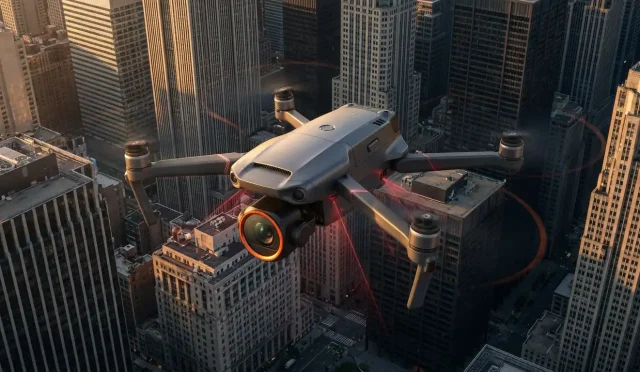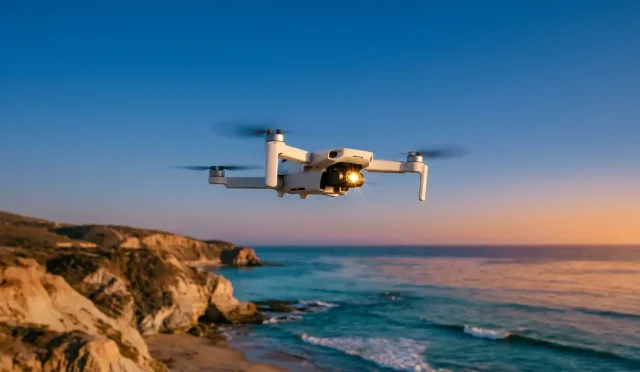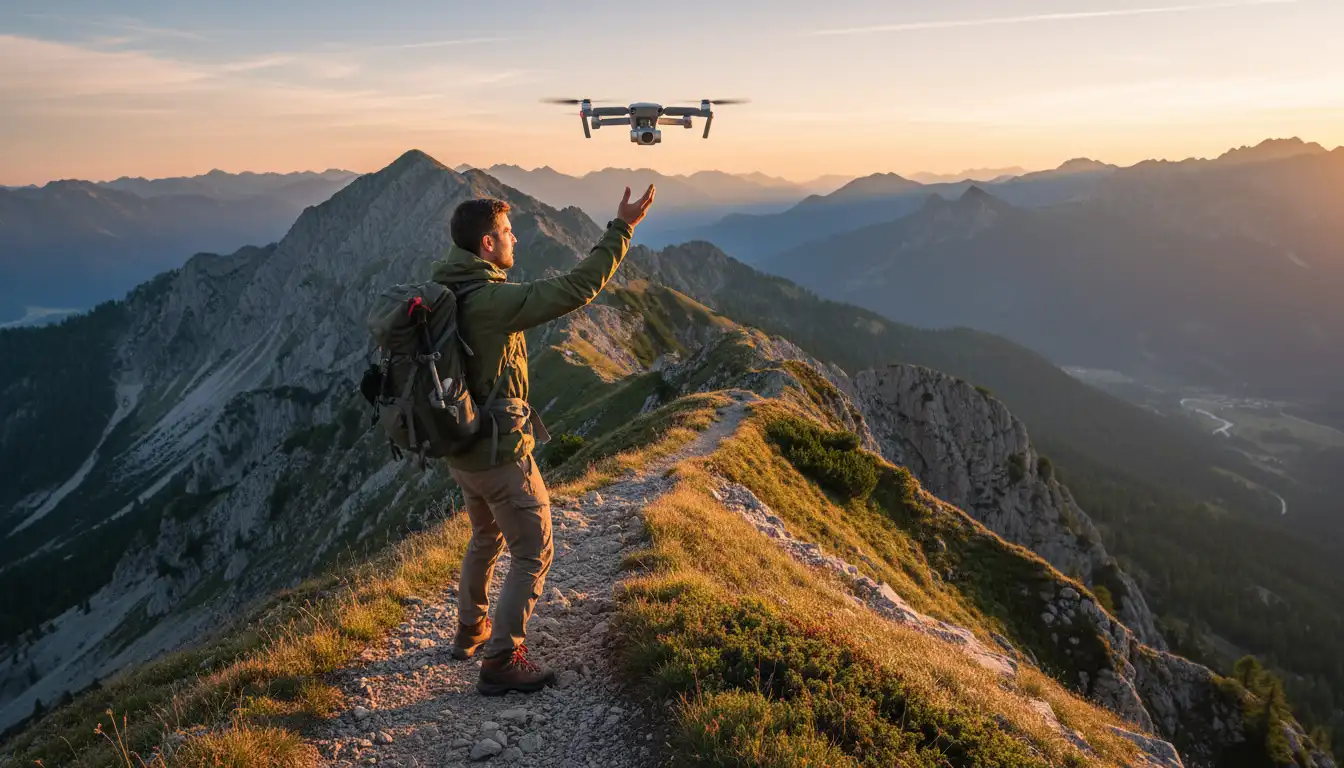

Best Drones for Hiking and Outdoor Adventure Trips
Introduction: Elevate Your Outdoor Experience with Aerial Drones
Hiking and outdoor adventure trips have changed dramatically with the rise of modern drone technology. Today’s unmanned aerial vehicles (UAVs) allow outdoor enthusiasts to capture breathtaking aerial footage, scout terrain ahead, and document their journeys from angles that were impossible just a few years ago. Whether you are exploring rugged mountain trails, discovering hidden valleys, or recording a multi‑day trek, choosing the best drones for hiking is essential to truly elevate your outdoor experience.
The demand for portable drones designed specifically for hikers and adventure travelers continues to grow. These compact aerial devices offer impressive stability, long flight times, and weather‑resistant designs that make them ideal companions for trail exploration. To select the right model, you need to understand the key features, performance capabilities, and practical considerations that matter most in real outdoor conditions.
Why Drones Matter for Outdoor Adventures
Drones have transformed how we experience and document nature. Adventure photographers, content creators, and hiking enthusiasts increasingly rely on aerial photography drones to capture wide, cinematic views of mountain ranges, forest canopies, rivers, and remote wilderness that a handheld camera can never fully show.
Beyond stunning visuals, drones also serve very practical purposes during outdoor expeditions:
- They help hikers scout upcoming terrain and identify the safest or most scenic routes.
- They can reveal potential hazards such as cliffs, river crossings, or unstable slopes.
- They assist in route planning for long-distance hikes and multi‑day backpacking trips.
For solo hikers or small groups, a lightweight UAV for trails can even add a layer of safety by providing an overhead perspective in complex terrain. In some situations, drones can also help locate campsites, water sources, or key landmarks when visibility on the ground is limited.
Top Features to Consider When Choosing Hiking Drones
When evaluating the best drones for hiking and outdoor adventure trips, several critical features make a big difference in the field.
- Portability and Weight
For backpackers, every gram matters. A compact unmanned aerial vehicle that folds down small and weighs under 249–900 grams is much easier to carry on long hikes. Foldable arm designs and protective cases also help fit the drone neatly into your pack. - Flight Time and Battery Performance
Drone flight time is one of the most important specifications. Look for models that offer at least 25–30 minutes of real‑world flight per battery. Intelligent battery systems that display remaining time accurately and support fast charging are especially valuable on multi‑day treks. Bringing extra batteries and managing drone battery performance can make the difference between a few quick shots and a full cinematic trail film. - Camera Quality and Stabilization
If you care about visuals, a 4K camera drone with a 3‑axis mechanical gimbal is practically a must. High resolution, good dynamic range, and smooth stabilization deliver professional‑looking footage even in windy or uneven conditions. Features like HDR, adjustable frame rates, and reliable autofocus are major advantages for adventure photography equipment. - Obstacle Avoidance and Safety Systems
Advanced obstacle avoidance drones use multiple sensors to detect trees, rocks, and other obstacles while you are hiking. This is especially important when you are moving and letting the drone follow you, or when flying in dense forests or narrow valleys. - Weather Resistance and Durability
Weather‑resistant drones are extremely valuable for mountain and coastal hikes where sudden changes in weather are common. While most consumer drones are not fully waterproof, stronger builds, sealed components, and good wind resistance help maintain reliability in light rain, cold temperatures, and gusty winds.
Best Portable Drones for Trail Exploration
For many hikers, the priority is finding portable drones for outdoor adventures that balance image quality with true packability.
- DJI Mini Series
The DJI Mini series is one of the most popular options among hikers. These models are ultra‑lightweight UAVs designed to slip easily into a daypack while still offering 4K recording, stable gimbals, and intelligent flight modes. Their low weight often places them below certain regulatory thresholds in many countries, which is another plus. - Autel Robotics Compact Models
Autel’s smaller drones provide robust builds, strong wind resistance, and excellent image quality. Some versions include enhanced color profiles and higher bitrates, which serious aerial photography drones enthusiasts appreciate. Their durability makes them suitable for rocky, alpine, and desert environments. - Skydio Autonomous Drones
Skydio drones are known for powerful AI‑driven tracking. They are ideal for hikers who want the drone to follow them automatically through forests, over rocks, and along technical trails. The advanced obstacle avoidance system allows hands‑free filming while you focus on hiking, climbing, or trail running.
Each of these options caters to slightly different needs, but all are well suited for trail exploration technology in real-world outdoor conditions.
Aerial Photography Techniques for Hiking Expeditions
Owning a great drone is only half the equation; using it well is equally important. To capture cinematic aerial footage while hiking:
- Plan Your Shots
Before takeoff, quickly identify the ridgelines, lakes, waterfalls, or viewpoints you want to film. This saves battery life and helps you create a coherent story rather than random clips. - Use Golden Hour Light
Early morning and late afternoon provide soft, warm light that looks beautiful in aerial footage hiking scenarios. Shadows add depth and texture to landscapes, especially in mountainous terrain. - Fly Smooth and Slow
Make gradual altitude changes and gentle turns. Avoid rapid panning, sharp yaw movements, or sudden acceleration. Smooth flight patterns create professional‑looking clips that are easy to watch. - Mix Perspectives
Combine high, wide shots with low passes along ridges or through valleys. This variety makes your final video far more engaging and helps showcase the scale of your environment.
Practical Considerations for Mountain Drone Operations
Mountain environments are some of the most rewarding—but also most demanding—places to fly.
- Regulations and Elevation Limits
Always check local drone laws before you fly. Many regions have altitude ceilings (often around 120 meters / 400 feet above ground), even if you’re standing on a high peak. - Wind and Temperature
At higher elevations, wind speeds can increase dramatically. Choose weather-resistant drones with strong motors and reliable stabilization. Cold temperatures can reduce drone flight time, so keep batteries warm in your jacket pockets until you need them. - GPS and Signal Challenges
In deep valleys, canyons, or dense forests, GPS signal may weaken. Models with strong positioning systems, downward vision sensors, and robust connection protocols help keep your drone stable and responsive even when satellites are partially blocked.
By respecting conditions and staying within legal and safety limits, you can enjoy mountain drone operations without unnecessary risk.
Maintenance and Care for Adventure Drones
Regular care ensures that your drone stays reliable throughout many trips:
- Clean the camera lens and gimbal after each hike to remove dust, pollen, and moisture.
- Inspect propellers for cracks or chips and replace them at the first sign of damage.
- Store the drone in a padded, weather‑resistant case during transport.
- Calibrate the compass and IMU periodically, especially after long travel or strong impacts.
- Follow recommended battery storage levels when you are not flying for a while.
These simple habits help prevent failures in the field and protect your investment in adventure photography equipment.
Conclusion: Elevate Your Hiking Adventures
Choosing the right drone for hiking and outdoor adventure trips can dramatically enhance the way you experience nature. From capturing cinematic aerial footage hiking above ridgelines to scouting terrain and documenting your journey, modern drones offer powerful capabilities in compact, trail‑friendly packages.
By focusing on portability, camera performance, drone flight time, obstacle avoidance, and weather resistance, you can select a model that fits your style of exploration. With good planning, responsible flying, and regular maintenance, your drone becomes more than just a gadget—it turns into a trusted adventure partner that helps you remember and share your wildest trips from extraordinary perspectives.
Recommended Product: DJI Mini 5 Pro Fly More Combo
For hikers seeking the ultimate portable drone solution, the DJI Mini 5 Pro Fly More Combo with DJI RC 2 stands out as an exceptional choice available on Amazon.com.
This advanced model features a 1-inch CMOS sensor that delivers stunning 4K image quality, far surpassing typical compact drones. The omnidirectional obstacle sensing provides maximum safety when flying through forests, rocky terrain, and narrow mountain passes—essential for trail exploration.
Key features for outdoor adventures:
- Three batteries included in the Fly More Combo, giving you extended flight time for full-day hikes
- ActiveTrack 360° automatically follows you on the trail, capturing dynamic footage hands-free
- 225° gimbal rotation offers creative angles and perspectives impossible with standard drones
- DJI RC 2 controller with built-in screen works perfectly in bright outdoor conditions
- Beginner-friendly interface makes it easy to start capturing professional aerial photography immediately
The combination of portability, professional-grade camera quality, and intelligent flight features makes the DJI Mini 5 Pro the best drone for hiking enthusiasts who refuse to compromise on image quality or safety during their outdoor adventures.