
The Ultimate Guide to the Best Paring Knives for Small Tasks and Fruits
When it comes to kitchen efficiency, bigger isn’t always better. While a chef’s knife handles the heavy lifting, the paring knife is the unsung hero of precision. Whether you are peeling a stubborn Granny Smith apple, deveining shrimp, or creating intricate garnishes for a dinner party, the right paring knife makes all the difference. In this guide, we explore why this small tool is a giant in the culinary world and how to choose the best one for your needs.
Why Every Kitchen Needs a High-Quality Paring Knife
A paring knife typically features a blade between 2.5 and 4 inches long. This compact size allows for maximum control, acting almost like an extension of your fingers. Unlike larger knives that require a cutting board, you often use a paring knife “in the air.” This maneuverability is essential for tasks like hulling strawberries or removing the eyes from potatoes.
High-carbon stainless steel remains the gold standard for these blades. It offers the perfect balance of edge retention and corrosion resistance. When you invest in a professional-grade paring knife, you reduce hand fatigue and increase safety, as a sharp, well-balanced blade requires less pressure to cut through tough fruit skins.



Different Types of Paring Knives for Specific Tasks
Not all small knives are created equal. Depending on your habits, you might prefer one style over another:
- Spear Point (Classic): The most versatile shape, featuring a slight curve. It is perfect for peeling, slicing, and coring.
- Bird’s Foot (Tourné): With a curved blade resembling a claw, this is the specialist for peeling rounded fruits and creating “tourné” vegetables.
- Sheep’s Foot: This knife has a flat edge and a rounded tip. it provides ultimate safety and is excellent for julienning small ginger pieces or garlic on a board.
Ergonomics and Handle Comfort
Since paring tasks often involve repetitive motions, ergonomics are vital. A handle should provide a secure grip even when your hands are wet or covered in fruit juice. Synthetic materials like Polypropylene or Fibrox offer excellent slip resistance, while traditional wooden handles provide a classic aesthetic and a warm feel. Look for a “full tang” construction—where the metal of the blade extends through the entire handle—to ensure the knife won’t snap under pressure.
Maintaining Your Precision Tools
To keep your paring knife performing at its peak, never put it in the dishwasher. The high heat and harsh detergents can dull the edge and damage the handle. Instead, hand wash with mild soap and dry immediately. Regular honing with a ceramic rod will keep the edge aligned, ensuring that every slice into a citrus fruit or a peach is effortless.
The Art of Fruit Preparation
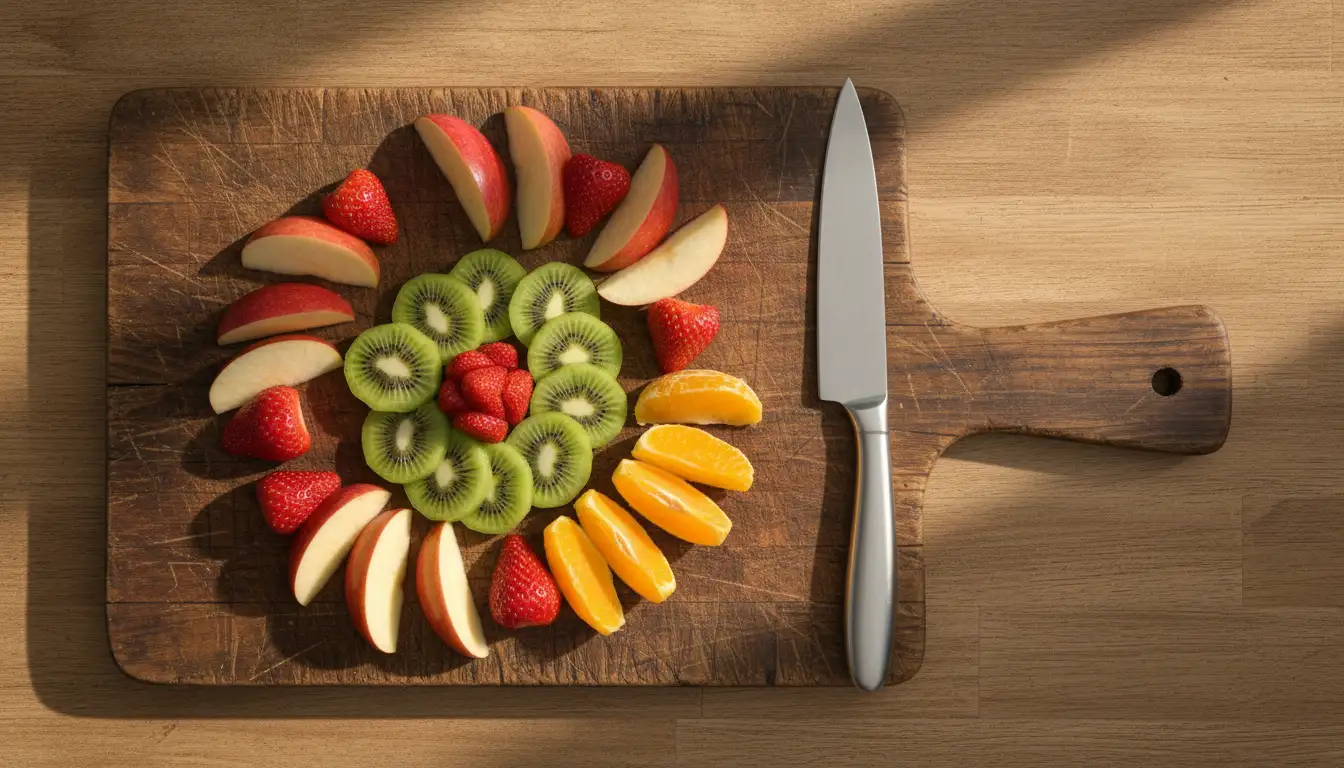
Using a dedicated fruit knife elevates the experience of healthy eating. A sharp blade prevents the bruising of delicate fibers in berries and stone fruits. When you use a precision tool, you preserve the juices and the structural integrity of the fruit, making your fruit salads and desserts look professional. For those who enjoy “food art,” a sharp paring knife is the primary instrument for carving radishes into roses or etching patterns into melon skins.
Choosing Between Forged and Stamped Blades
Forged knives are made from a single piece of molten steel, resulting in a heavier, sturdier tool with a bolster (the thick junction between handle and blade). Stamped knives are cut out of a sheet of steel. While forged knives are often seen as superior for longevity, many modern stamped paring knives are incredibly lightweight and sharp, making them a favorite for quick, agile tasks.
Safety First: Handling Small Blades
Because paring knives are small, users sometimes treat them with less caution than a large cleaver. However, their sharpness makes them dangerous if mishandled. Always cut away from your body when possible. If you are peeling toward your thumb, ensure the blade is controlled and your movements are slow. A sharp knife is actually safer than a dull one because it won’t slip off the slick skin of a tomato or a plum.
The Impact of Blade Geometry
The “grind” of the blade determines how easily it passes through food. A thin, tapered grind is ideal for paring knives because it minimizes resistance. When slicing through a dense apple or a hard pear, a thin blade geometry allows for paper-thin slices that are perfect for tarts and garnishes.
Versatility Beyond the Fruit Bowl
While we focus on fruits, these knives are indispensable for savory prep. Trimming silver skin from meat, scoring dough before baking, or even opening packages in a pinch—the paring knife is the most reached-for tool in the drawer. Having a set of two or three allows you to switch between tasks without constant washing.
Investing in Longevity
While you can find cheap knives at any grocery store, a premium paring knife is a lifetime investment. Brands that use ice-hardening processes or high-end Japanese steel offer edges that stay sharp for months of heavy use. When you consider the cost per use, a $40-$60 paring knife is far more economical than replacing a $5 knife every year.
Conclusion
The best paring knife for small tasks and fruits is one that feels balanced in your hand and holds a razor-sharp edge. By understanding the different blade shapes and materials, you can transform mundane kitchen chores into a precise, enjoyable culinary experience. Whether you are a professional chef or a home cook, your kitchen is incomplete without this small but mighty powerhouse.
Amazon.com Product Recommendation
Wüsthof Classic 3.5-Inch Paring Knife
This forged, high-carbon stainless steel knife is the industry standard for precision. Its full tang and ergonomic handle make it the perfect companion for peeling, trimming, and dicing any fruit or small vegetable with absolute ease.