
Best Retro Design Speakers: Timeless Style Meets Modern Sound
Vintage aesthetics are making a big comeback, and retro design speakers are at the heart of this trend. These speakers combine the warm, nostalgic look of the past with the performance and connectivity of today’s audio technology. Whether you love vinyl, do a lot of streaming, or simply want a stylish conversation piece in your living room, the best retro design speakers can transform the way you listen to music.
In this guide, you’ll learn what makes a great retro speaker, which features truly matter, and how to choose the right model for your space and lifestyle.
What Makes a Speaker “Retro” in 2025?
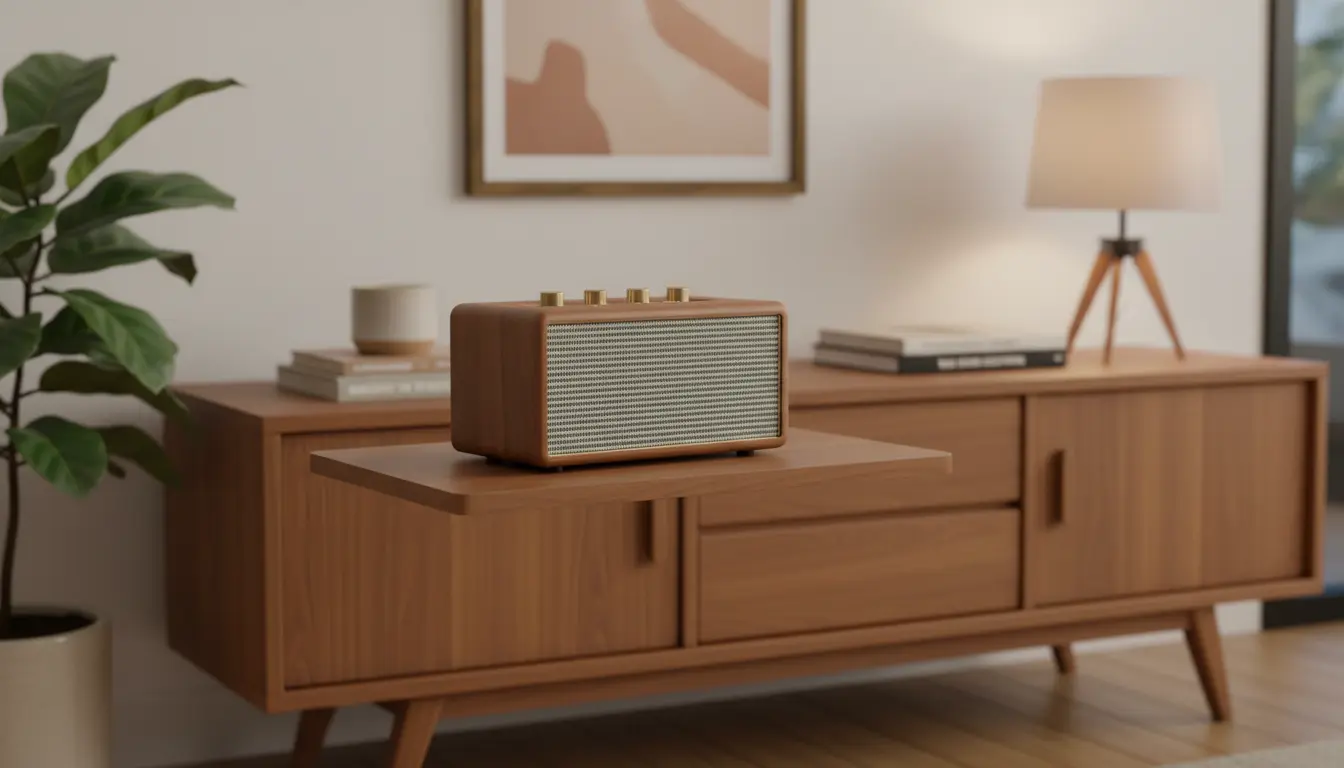
Retro design speakers are not just old-looking boxes with drivers. True retro-inspired models are carefully designed to echo classic audio gear from the 60s, 70s, and 80s while integrating present‑day components.
Common design elements include:
- Wooden or faux‑wood cabinets with walnut, oak, or mahogany finishes
- Fabric or mesh grilles instead of glossy plastic fronts
- Analog controls such as rotary knobs, toggle switches, and needle-style VU meters
- Classic color palettes like cream, dark green, black, and brass accents
These visual cues evoke nostalgia, but the best retro design speakers also offer Bluetooth, aux‑in, USB, and even Wi‑Fi to fit seamlessly into a modern home.
Key Features to Look for in Retro Design Speakers
When you compare different models, do not let the styling distract you from the technical details. Pay close attention to the following features so you get both beauty and performance.
1. Sound Quality and Driver Configuration
A retro look is nice, but sound comes first. Consider:
- Driver size and layout – Larger woofers often deliver deeper bass and fuller mids.
- Frequency response – A wide, balanced range (for example 50 Hz – 20 kHz) covers most music genres.
- Stereo vs. mono – Some retro speakers are true stereo units, others are single‑box systems with stereo processing.
If possible, choose a model tuned for clarity rather than exaggerated bass. Retro music like jazz, classic rock, and soul especially benefit from a natural sound signature.
2. Connectivity Options
Modern retro design speakers can support a surprising number of sources. Ideal options include:
- Bluetooth for easy streaming from phones, tablets, and laptops
- 3.5 mm or RCA inputs for turntables (with preamp), cassette decks, or CD players
- USB or optical inputs on higher‑end systems for digital clarity
- Wi‑Fi or multi‑room support for integration into a smart home audio setup
If you love physical media such as vinyl records, make sure the speaker offers compatible analog inputs, not just wireless connectivity.
3. Build Quality and Materials
Retro style should go hand in hand with durability. Look for:
- Sturdy wooden enclosures instead of very thin plastic
- Tight, rattle‑free construction
- Quality knobs and switches that do not wobble or feel flimsy
A solid enclosure improves both longevity and sound, especially at higher volumes.
4. Power Output and Room Size
Consider where you’ll use the speaker:
- Small rooms or desktops: 10–25 W RMS can be enough
- Living rooms: 25–60 W RMS will fill the space more comfortably
- Large or open rooms: higher power or a pair of speakers may be necessary
Check real‑world reviews and not just peak wattage claims to understand how loud and clear the speaker can play without distortion.
Why Retro Speakers Are Ideal for Home Decor
Retro design speakers do more than play music; they become part of your interior design. A well‑chosen model can complement mid‑century modern furniture, industrial loft spaces, or cozy reading corners.
Some benefits from a decor perspective:
- They look great even when idle, acting like vintage art or a design object.
- They reduce visual clutter because they are standalone pieces, not bulky multi‑component systems.
- They create a warm, analog atmosphere, especially when paired with a record player or retro radio.
If you want your tech to feel less “techy” and more like part of your home, a retro speaker is a smart and stylish choice.
Retro vs. Modern Speakers: Which Should You Choose?
You might wonder if you sacrifice performance by choosing a retro-inspired model. In many cases, you do not.
Retro design speakers today often include:
- The same or similar driver technology used in regular modern speakers
- Updated digital signal processing for balanced audio
- Bluetooth 5.x or higher for stable wireless streaming
The main trade‑off is usually extra features like app‑based EQ, built‑in voice assistants, or advanced room correction, which are more common in ultra‑modern smart speakers. If raw voice‑assistant intelligence is your top priority, a modern smart speaker might be better. If you value character, warmth, and tactile controls, retro audio gear will feel more satisfying.
How to Match a Retro Speaker to Your Lifestyle
Before you buy, think about how you actually listen to music:
1.For Vinyl Lovers
- Prioritize analog inputs and phono compatibility (or make sure you have a preamp).
- Choose speakers known for warm, detailed mids to bring out vocals and instruments.
For Streamers and Casual Listeners
- Make sure Bluetooth is reliable and supports recent standards.
- Look for quick pairing, easy volume control, and perhaps multi‑device pairing.
For Home Office or Studio Use
- Focus on clarity and balance rather than heavily boosted bass.
- A compact bookshelf‑style retro speaker pair can look professional but still vintage.
By aligning the design and feature set with your routine, you ensure your retro speaker becomes a daily companion, not just a decorative object.
Care and Maintenance for Long‑Lasting Retro Speakers
To keep your new speaker looking and sounding great:
- Dust regularly with a soft cloth, especially the fabric grille and wooden surfaces.
- Avoid direct sunlight to prevent fading or cracking of wood and vinyl finishes.
- Keep drinks and liquids away from the controls and ports.
- Do not push the volume to distortion for long periods, as this can stress the drivers.
With basic care, a well‑built retro design speaker can last for many years and age gracefully, just like vintage audio gear from past decades.
Recommended Retro Design Speaker on Amazon
One popular option on Amazon.com that often receives strong feedback from retro audio fans is the Marshall Stanmore III Bluetooth Speaker (look it up directly on Amazon). It delivers:
- Iconic guitar‑amp inspired retro design with textured vinyl, gold accents, and a classic front grille
- Rich, powerful sound suitable for living rooms and entertainment spaces
- Bluetooth connectivity and analog inputs, so you can switch smoothly between streaming and wired sources
- Intuitive knobs for volume, bass, and treble, enhancing the tactile, vintage feel
If you want a stylish speaker that stands out visually while still offering serious audio performance, this model is a strong candidate.