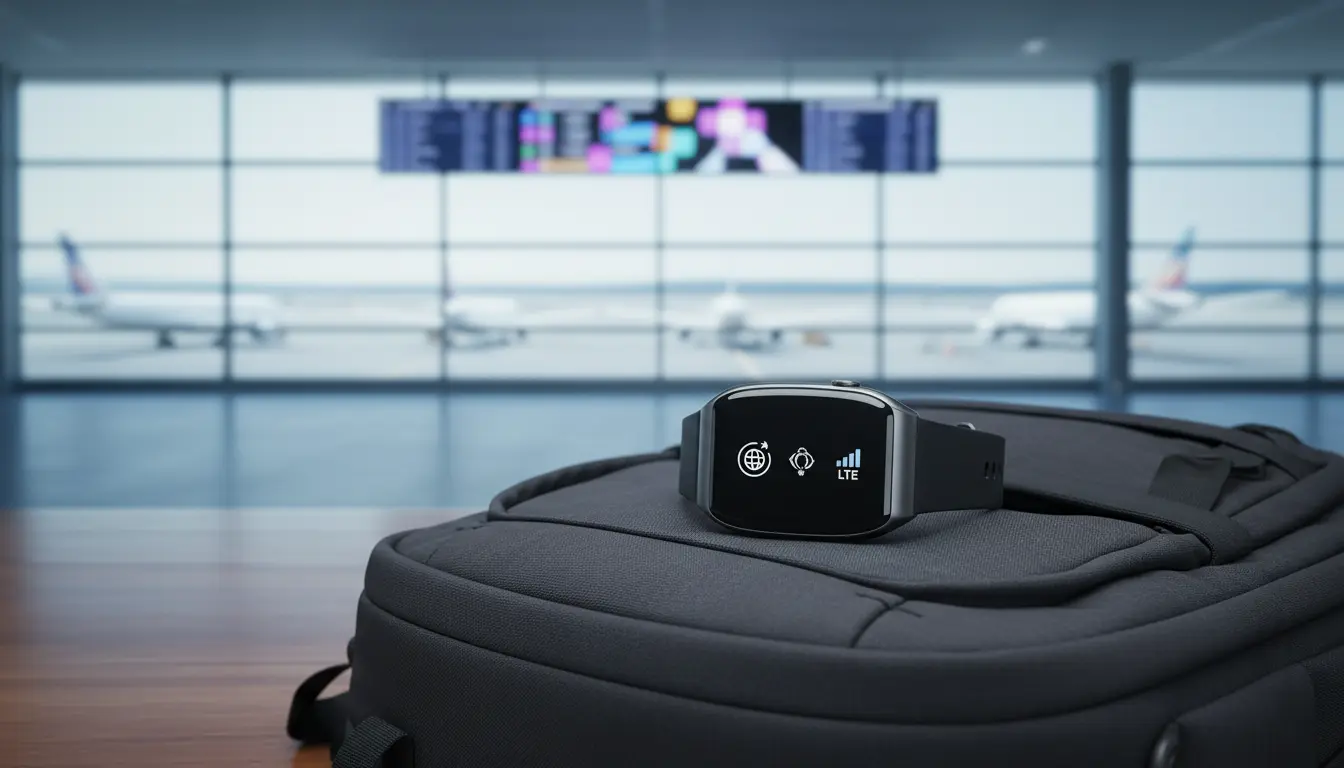

Best Wearables for Global Use: eSIM, Roaming, and Seamless Connectivity
Staying connected while traveling has never been more important. Whether you are a frequent business traveler, a digital nomad, or a casual vacationer, having the right wearable can make the difference between a smooth trip and a stressful one. Modern wearables with eSIM support, global roaming, and reliable connectivity help you stay online without constantly swapping SIM cards or hunting for Wi‑Fi. This guide explains what to look for, which features matter most, and how to choose the best wearables for global use.
What Makes a Wearable “Global‑Ready”?
A truly global‑ready wearable is designed to work across countries, networks, and time zones with minimal effort. Several key characteristics separate these devices from standard smartwatches or fitness bands:
- eSIM support
eSIM (embedded SIM) allows you to activate mobile plans digitally, without a physical SIM card. This is ideal for international travel because you can:- Purchase local or global data plans online
- Switch between carriers in different countries
- Avoid visiting physical stores or kiosks
- Global LTE or 4G/5G band compatibility
Wearables for international use should support multiple frequency bands. The more bands a device supports, the more networks it can connect to around the world. This improves coverage and reduces dead zones when you cross borders. - Roaming‑friendly software
The operating system and companion app should make it simple to manage roaming. Good devices provide:- Clear information about active plans
- Warnings about roaming charges
- One‑tap options to turn cellular data on and off
- Battery efficiency on cellular
Global travelers use cellular connectivity heavily for maps, notifications, and safety. A wearable with efficient antennas and power management can last a full day even when connected to LTE.
Why eSIM Matters for International Travelers
eSIM technology is a major reason why some wearables are far more travel‑friendly than others. Instead of removing a tiny SIM tray or carrying multiple SIM cards, you simply scan a QR code or enter an activation code from your mobile carrier.

Key advantages for global travelers include:
- Instant plan activation: You can purchase an international data package before you land and activate it from your hotel, airport, or even mid‑flight Wi‑Fi.
- Multiple profiles: Many eSIM‑enabled wearables let you store more than one plan. For example, you can keep your home carrier active for calls and a separate global data plan for roaming.
- Better security: You cannot easily remove or lose an eSIM, which is useful if your device is lost or stolen.
- Cost control: You can quickly compare local eSIM packages designed for tourists against traditional roaming fees and select the most cost‑effective option.
As more carriers support eSIM for wearables, it becomes easier to maintain constant connectivity without carrying your smartphone everywhere.
Connectivity Features to Look for in Travel Wearables
When evaluating wearables for global use, pay close attention to their connectivity options. Below are the core features that matter most for international travelers.
1. Cellular Connectivity (eSIM + LTE/5G)
A wearable with standalone LTE or 5G support can handle calls, texts, and data independently of your phone. This is vital if:
- You want to leave your phone in the hotel safe while exploring
- You exercise outdoors and still need emergency access
- You work on the go and depend on receiving instant notifications
Check that the device’s cellular version officially supports your region and preferred carriers.
2. Wi‑Fi and Hotspot Integration
Although cellular is powerful, Wi‑Fi still plays an essential role. Some advanced wearables connect to known Wi‑Fi networks automatically. Others integrate tightly with your phone’s hotspot to reduce data usage. Look for:
- Dual‑band Wi‑Fi support (2.4 GHz and 5 GHz)
- Smooth handoff between Wi‑Fi and cellular
- Easy management of remembered networks
3. GPS and Location Services
Accurate GPS tracking is crucial for navigation and safety. A travel‑ready wearable should support:
- Multi‑GNSS systems such as GPS, GLONASS, Galileo, and BeiDou
- Offline map syncing through the companion app
- Route tracking for running, hiking, and cycling in unfamiliar areas
Combined with cellular connectivity, real‑time GPS lets your loved ones see where you are and receive alerts if anything unusual happens.
4. Compatibility with Global Apps and Services
The best wearables for international use seamlessly integrate with global apps such as:
- Translation tools
- Ridesharing apps
- Airline and hotel apps
- Messaging platforms
This app ecosystem allows you to receive time‑sensitive updates and alerts on your wrist, even when your phone is not immediately accessible.
Tips to Reduce Roaming Costs with Wearables
Roaming can get expensive without proper management. Use the following strategies to keep costs under control while staying connected:
- Use global eSIM data plans
Many providers sell regional or worldwide eSIM plans specifically optimized for travelers. These packages often include a fixed data allowance at a predictable price. Installing such a plan on your wearable lets you limit surprises on your main phone bill. - Prioritize Wi‑Fi when possible
Configure your wearable to prefer Wi‑Fi for large data tasks such as software updates or music downloads. Save roaming data for navigation, messaging, and critical notifications. - Adjust sync settings
In the wearable’s settings, reduce background sync frequency for email or cloud services. Limit automatic app updates until you are on a secure and fast Wi‑Fi network. - Monitor data usage regularly
Most modern wearables and companion apps show per‑plan data consumption. Check these stats each day to understand your usage pattern and adjust your behavior before hitting caps.
Security and Privacy Considerations Abroad
Traveling with a constantly connected wearable raises important security questions. Fortunately, many global‑ready devices offer robust protections.
- End‑to‑end encryption: Notifications and messages between your phone, wearable, and cloud services should be encrypted to prevent interception on foreign networks.
- Remote lock and erase: If you lose your wearable, you should be able to lock it or wipe its data remotely via your account.
- Biometric or PIN protection: Strong authentication methods such as PIN codes, pattern locks, or biometric sensors help prevent unauthorized access.
- Location sharing controls: Review how location data is stored and shared, especially when using third‑party travel and fitness apps.
Before you travel, take time to adjust your device’s privacy settings so that you share only what you are comfortable with.
How to Choose the Best Wearable for Your Global Needs
There is no single perfect device for everyone. The best wearable for global use depends on your travel style and connectivity requirements.
Ask yourself the following questions:
- Do I need standalone cellular, or is tethered connectivity enough?
If you rarely leave your phone behind, a Bluetooth‑only watch might be sufficient. If you want independence from your phone, choose an eSIM‑enabled smartwatch. - Am I more focused on fitness or communication?
Runners and hikers may prioritize GPS accuracy, offline maps, and rugged design. Business travelers often focus on calls, notifications, and productivity apps. - Which ecosystems do I already use?
If you are heavily invested in a specific smartphone platform, it usually makes sense to buy a wearable from the same ecosystem for maximum compatibility. - How often do I cross borders?
Frequent international travelers benefit the most from comprehensive roaming support, wide band coverage, and multi‑region certifications.
By clarifying these needs, you can narrow down the long list of options to a few devices that genuinely support global connectivity.
Example Global‑Ready Wearable from Amazon
If you are looking for a concrete starting point, one popular option on Amazon is the Samsung Galaxy Watch7 LTE (eSIM model). This smartwatch offers:
- eSIM‑based LTE connectivity in supported regions
- Broad compatibility with international LTE bands
- Strong fitness and health tracking capabilities
- Good battery life even when using cellular data
- Integration with travel, navigation, and productivity apps
Before purchasing, always review the specific product listing for your country or region to confirm band support and carrier compatibility.