
Budget-Friendly Best Fitness Equipment for Amateur Athletes (2026 Guide)
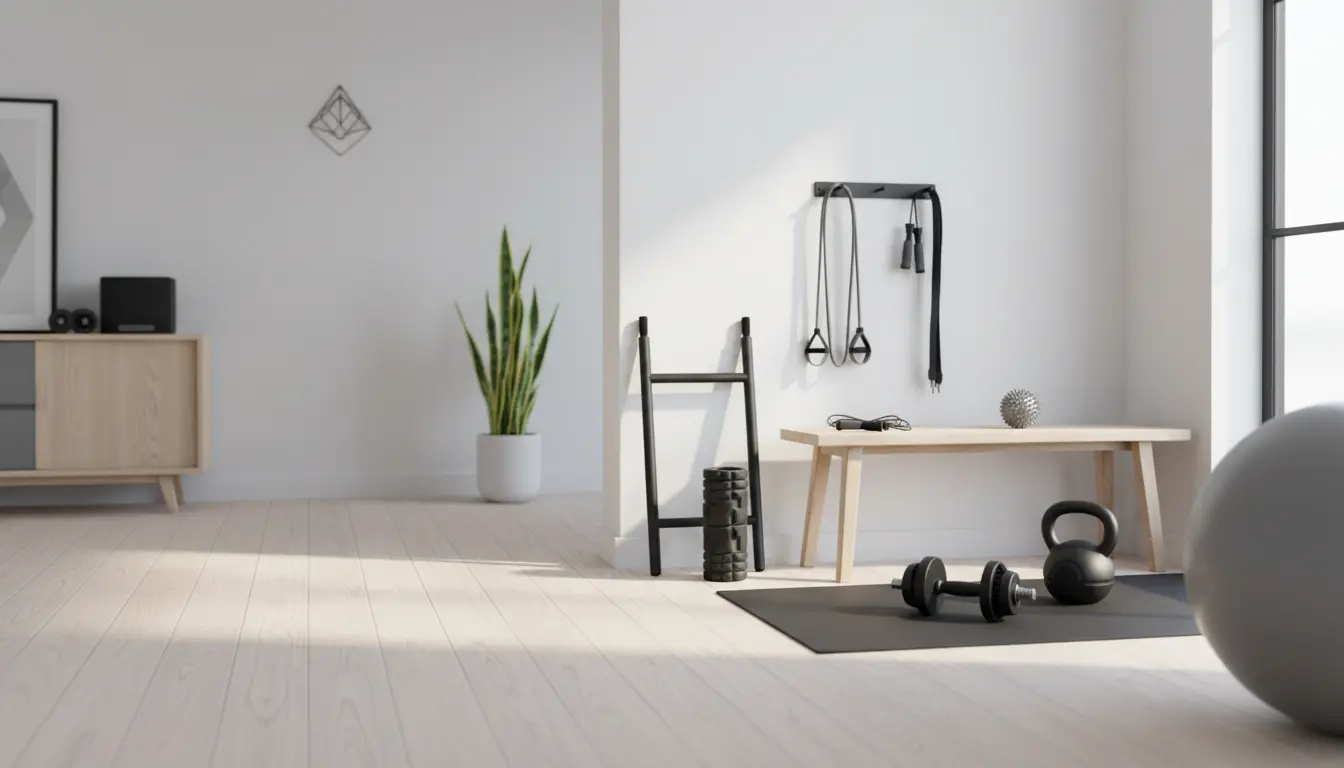
Amateur athletes have one big advantage: you can improve quickly with the right basics. You don’t need a full home gym, expensive machines, or trendy gadgets that end up collecting dust. What you need is budget-friendly fitness equipment that matches your goals, fits your space, and supports consistent training.
In this guide, you’ll find practical, affordable workout devices for amateur athletes—plus how to choose them, how to avoid common buying mistakes, and how to build a simple setup that still delivers real results. I’ll keep the recommendations organic and realistic: tools that help you train more often, recover better, and reduce injury risk without draining your wallet.
Why Budget-Friendly Equipment Works So Well for Amateur Athletes
When you’re not a professional, your biggest “performance enhancer” is consistency. Budget-friendly gear makes it easier to start, easier to stick with, and easier to replace or upgrade later. Also, many low-cost tools—like resistance bands or jump ropes—deliver an excellent training stimulus because they scale with effort and technique, not price.
Instead of chasing fancy features, focus on:
- Training frequency (will you actually use it 3–5 times a week?)
- Versatility (can it train multiple muscle groups or energy systems?)
- Progression (can it get harder over time?)
- Durability and safety (will it last and protect your joints?)
1) Resistance Bands: The Best Value in Strength Training
Resistance bands deserve their reputation as a low-cost, high-impact training tool. You can use them for full-body strength work, mobility, activation drills, and even rehab-style exercises. For amateur athletes, bands shine because they teach control and help you build joint-friendly strength.
Why you should buy them:
- You train pushing, pulling, squatting, and hinging patterns at home.
- You scale intensity by band thickness or by changing leverage.
- You warm up faster and protect your shoulders and hips.
What to look for:
- A set with multiple resistance levels
- Loop bands for legs + long bands for upper body
- Strong seams and durable latex or fabric blends
Quick uses:
- Band rows, chest presses, face pulls
- Lateral walks, glute bridges, hamstring curls
2) Adjustable Dumbbells (or One Pair + Progression Plan)
If you can only buy one strength item, consider dumbbells. Adjustable dumbbells save space and let you progress without purchasing many pairs. Even a single moderate-weight pair works if you apply smart programming: slower reps, pauses, unilateral work, and higher volume.
Why they’re ideal:
- You add load easily—key for building muscle and strength.
- You can train nearly every major movement pattern.
- You get real “carryover” to sport performance: stability, core control, grip.
Tips for saving money:
- Start with one pair that challenges you for 8–12 reps.
- Add a second heavier pair later if needed.
- Look for used options (if safe and in good condition).
3) Jump Rope: Cheap Conditioning That Actually Improves Coordination
A jump rope costs little but delivers a lot: cardio conditioning, footwork, rhythm, and athletic coordination. It’s also time-efficient—10 minutes of focused jump rope intervals can feel like a much longer run.
Why it works for amateurs:
- You improve your aerobic base and quickness together.
- You can train indoors with minimal space.
- You track progress easily (time, speed, consistency).
Buying checklist:
- Adjustable length
- Comfortable handles
- Smooth cable rotation
Simple workout:
- 30 seconds jump / 30 seconds rest × 10 rounds
4) Pull-Up Bar: Upper-Body Strength Without a Gym Membership
A doorway pull-up bar turns your home into a functional strength station. Pull-ups, chin-ups, and hanging knee raises build a strong back, arms, and core—especially useful for athletes who need posture, shoulder stability, and grip strength.
Best use cases:
- Bodyweight strength progression
- Posture improvement for desk workers
- Scalable training with bands (assisted pull-ups)
Safety note:
Only buy models with solid reviews and correct doorway fit. Install and test carefully.
5) Kettlebell: One Tool for Strength + Conditioning
A single kettlebell can cover swings, squats, presses, rows, Turkish get-ups, and loaded carries. For amateur athletes, kettlebells help build athletic power and endurance without complicated setups.
Why it’s worth it:
- You combine strength and cardio in one session.
- You train hips and posterior chain effectively.
- You build “work capacity” that transfers to many sports.
Beginner-friendly moves:
- Deadlift variations, goblet squats, carries
(If you’re new, learn technique slowly—quality reps matter.)
6) Stability Ball or Ab Wheel: Stronger Core, Better Control
Core training isn’t about endless crunches. You want stability, anti-extension strength, and control under movement. An ab wheel or stability ball makes that training simple and progressive.
Why it helps athletes:
- You improve trunk stiffness and force transfer.
- You reduce “energy leaks” when running, jumping, or lifting.
- You build resilient movement patterns.
Pick one:
- Ab wheel: intense, compact, cheap
- Stability ball: more versatile for mobility and accessory work
7) Foam Roller + Massage Ball: Recovery Tools That Encourage Consistency
Recovery tools don’t replace sleep or good nutrition, but they can reduce soreness perception, improve mobility, and keep you training. A foam roller plus a small massage ball (like a lacrosse-style ball) creates a strong recovery combo.
Practical benefits:
- Faster warm-ups with tissue prep
- Improved range of motion before training
- Better adherence (you feel “ready” more often)
Use it smart:
Keep sessions short—5–10 minutes is enough. Focus on hips, calves, upper back, and the areas your sport stresses most.
8) Budget Cardio Machine Options (When You Really Need One)
If you prefer machines, budget options exist—but choose carefully. Many cheap machines break quickly. For amateur athletes, compact tools often beat low-end treadmills.
Better budget picks:
- Mini stepper for steady-state conditioning
- Compact stationary bike (if you can find solid build quality)
- Rowing machine only if reviews confirm durability
When in doubt, build conditioning with a jump rope, brisk incline walks outdoors, or interval circuits at home.
How to Choose the Right Device for Your Goal
Your goal should decide the purchase. Don’t buy equipment because it’s popular—buy it because it solves your training problem.
If you want fat loss and conditioning
Prioritize:
- Jump rope
- Resistance bands (circuit training)
- Kettlebell (swings, complexes)
If you want strength and muscle
Prioritize:
- Adjustable dumbbells
- Pull-up bar
- Bands (assistance + accessory work)
If you want mobility and injury prevention
Prioritize:
- Foam roller + massage ball
- Bands (activation + stability work)
- Stability ball
Common Mistakes That Waste Money (and Motivation)
Amateur athletes often waste budget on:
- Single-purpose gadgets that don’t scale
- Very cheap machines with poor durability
- Oversized gear that doesn’t fit the home space
- Buying too much too soon (then skipping workouts)
Instead, choose a small “training system.” For example:
- Bands + jump rope + pull-up bar = strength + conditioning + mobility
- Dumbbells + kettlebell + roller = strength + power + recovery
A Simple Budget-Friendly Weekly Plan (Example)
You can do this with bands + dumbbells (or kettlebell) + jump rope.
1.Day 1 (Strength A)
- Squat pattern + push + pull + core (40–50 min)
2.Day 2 (Conditioning)
- Jump rope intervals + mobility (20–30 min)
3.Day 3 (Strength B)
- Hinge pattern + overhead press + row + carries (40–50 min)
Day 4 (Active recovery)
- Walk + foam rolling (20–40 min)
Consistency beats complexity. Choose equipment that helps you repeat sessions, not just “feel inspired” once.
Amazon.com Product Recommendation (1 item)
FIT Simplify Resistance Loop Exercise Bands (Set) — a popular, budget-friendly option that works well for warm-ups, rehab, glute activation, and full-body training.