
Compact Power Solutions for Small Spaces: A Complete Guide
Designing modern homes, offices, and workshops often means dealing with limited square footage. As devices multiply and energy needs grow, compact power solutions for small spaces have become essential. From tiny apartments to RVs, and from home offices to tiny houses, choosing the right compact power products helps you stay safe, efficient, and clutter‑free.
This guide explains the main types of compact power devices, what to look for when buying them, and how to use them safely and efficiently. It is written in natural, human‑like language to support organic SEO and long‑term search visibility.
What Are Compact Power Products for Small Spaces?
Compact power products are space‑saving electrical and charging solutions designed to deliver reliable power without taking up much room. They often combine multiple functions—such as surge protection, USB charging, and cable management—into one streamlined device.

Typical examples include:
- Slim power strips and surge protectors
- Wall‑mounted multi‑plug adapters
- Compact USB charging stations
- Portable power banks and mini power stations
- Under‑desk or behind‑TV power hubs
- Smart plugs and compact smart outlets
All of these are designed to keep small rooms tidy while still providing enough outlets and charging ports for modern lifestyles.
Why Compact Power Matters in Small Spaces
Small rooms can become chaotic very quickly. Oversized power strips on the floor, tangled cables, and exposed adapters not only look messy but can also be unsafe. Compact power solutions offer several key benefits:
1. Space Optimization
Compact power devices are designed to fit in tight areas: behind furniture, under desks, inside cabinets, or even mounted on walls. This frees up floor space and keeps walking paths clear, which is especially important in:
- Studio apartments
- Tiny homes
- Dorm rooms
- Shared offices
- RVs and camper vans
2. Reduced Cable Clutter
Many compact power hubs include integrated cable management features like built‑in clips, short cords, or well‑placed ports. When cables are organized, the space looks cleaner and you waste less time untangling cords or searching for the right charger.
3. Improved Safety
Overloaded outlets and tangled extension cords can cause overheating and tripping hazards. Quality compact power products are engineered to handle the required load in a smaller footprint while including safety features such as:
- Surge protection
- Overcurrent and overload protection
- Short‑circuit and over‑temperature protection
- Child‑safety shutters on outlets
This is especially important when you plug in multiple devices in a small room where heat buildup can occur more quickly.
4. Energy Efficiency
Modern compact power units often use high‑efficiency power electronics. Smart plugs and advanced USB chargers can reduce standby power consumption, helping you lower your energy bill while still powering all your devices.
Popular Types of Compact Power Products
Understanding the different categories helps you choose the best option for your setup.
1. Slim Power Strips and Surge Protectors
Slim or vertical power strips are perfect for behind‑sofa or under‑desk installations. Key benefits:
- Narrow profile to fit in tight spaces
- Multiple AC outlets in a single bar
- Surge protection to safeguard electronics
- Sometimes include USB‑A and USB‑C ports
They are ideal for home entertainment systems, PC setups, and small home offices.
2. Wall‑Mounted Multi‑Plug Adapters
Where floor space is extremely limited, wall‑mount power hubs plug directly into an existing outlet and expand it to multiple sockets and USB ports. Many models include:
- Rotating or side‑facing outlets to accommodate large plugs
- Night lights or LED indicators
- Integrated surge protection
They work well in kitchens, bathrooms, hallways, and tight corners.
3. Compact USB Charging Stations
If you own multiple phones, tablets, wearables, and wireless earbuds, a compact USB charging station can replace many large chargers. Look for:
- Multiple USB‑A and at least one USB‑C port
- Fast‑charging protocols (such as Power Delivery or Quick Charge)
- Overheat and over‑voltage protection
- A small, stable footprint that fits on a nightstand or desk
These are perfect for bedrooms, hotels, coworking spaces, and shared family charging areas.
4. Portable Power Banks and Mini Power Stations
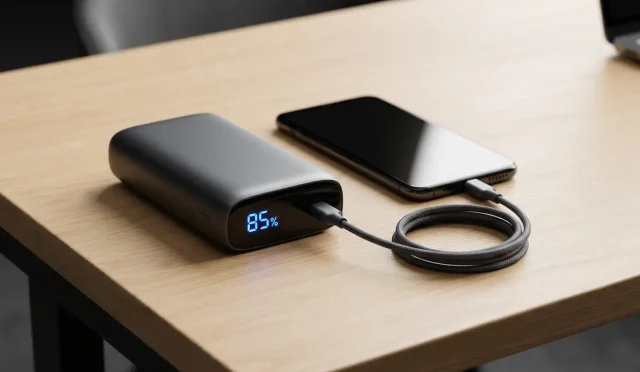
For users who move frequently between rooms—or travel—portable power banks and mini power stations are extremely useful. Modern compact power banks can power:
- Smartphones and tablets
- Laptops with USB‑C charging
- Small LED lights or fans
Mini power stations add AC outlets and higher capacity, making them a strong choice for tiny houses, RVs, or outdoor work areas where wall power is limited.
5. Smart Plugs and Compact Smart Outlets
Smart plugs convert ordinary devices into connected ones that you can control via app or voice assistants. Their compact design keeps adjacent outlets usable. With smart plugs you can:
- Turn devices on/off remotely
- Set schedules and timers
- Monitor energy usage on many models
This is a convenient way to manage lamps, small appliances, and electronics in confined spaces.
How to Choose the Right Compact Power Solution
When comparing different compact power products, consider these important criteria:
1. Power Rating and Load Capacity
Always check the maximum wattage and amperage. Add up the consumption of all devices you plan to connect and ensure it does not exceed the product’s rating. This is crucial for high‑draw devices like:
- Heaters
- Hair dryers
- Gaming PCs
- Monitors and printers
Using an under‑rated product can lead to overheating or tripping circuit breakers.
2. Number and Type of Ports
Think about your current and future devices:
- How many AC outlets do you need?
- Do you require USB‑C fast charging?
- Will you plug in chunky power adapters that need extra space?
Choose a configuration that avoids daisy‑chaining multiple adapters and extension cords.
3. Surge Protection and Safety Features
For computers, TVs, routers, and gaming consoles, surge protection is essential. Look for:
- Clearly labeled joule rating
- UL or equivalent safety certifications
- Overload reset switch or fuse
- Fire‑resistant casing
Quality safety features are non‑negotiable, especially in compact rooms where fire hazards spread quickly.
4. Form Factor and Mounting Options
Measure the area where you want to place your compact power device. Consider:
- Vertical vs. horizontal layout
- Under‑desk mounting brackets
- Keyhole slots for wall mounting
- Desk grommet or clamp‑on designs
A properly mounted solution prevents accidental unplugging and keeps cables off the floor.
5. Smart Features and Connectivity
In a modern small space, connected power solutions can make daily life easier. Optional but useful features include:
- Wi‑Fi or Bluetooth control
- Integration with Alexa, Google Assistant, or other smart home systems
- Usage statistics and power monitoring
These extras help you manage loads, avoid peak‑time energy use, and control hidden devices in tight corners.
Best Practices for Using Compact Power in Small Spaces
To keep your environment safe, efficient, and comfortable, follow these guidelines:
- Avoid Overloading: Never connect more high‑power devices than the strip or adapter can handle. Read the label carefully.
- Ventilation Matters: Do not cover power strips with carpets, pillows, or furniture. Compact units still need airflow to stay cool.
- Inspect Regularly: Check cords and housings for discoloration, cracks, or unusual warmth. Replace damaged products immediately.
- Use the Right Product for the Right Room: Bathroom and kitchen outlets often require GFCI protection. For outdoor or damp areas, use products rated for those conditions.
- Label Cables: In a small but device‑heavy room, labeled cables help you quickly identify which plug goes to which device, making maintenance easier.
An Example Use Case: Small Home Office Setup
Imagine a small home office in a 10‑square‑meter room. You need to power a laptop, monitor, printer, smart speaker, desk lamp, and charge your phone and earbuds. A good layout might include:
- One slim surge‑protected power strip mounted under the desk for the laptop, monitor, and printer
- One wall‑mounted multi‑plug adapter with USB ports near the door for the smart speaker and quick phone charging
- A compact USB charging station on the desk for phone, earbuds, and tablet
This setup keeps the floor clear, avoids excessive extension cords, and protects sensitive electronics while making the most of every centimeter.
Recommended Compact Power Product on Amazon
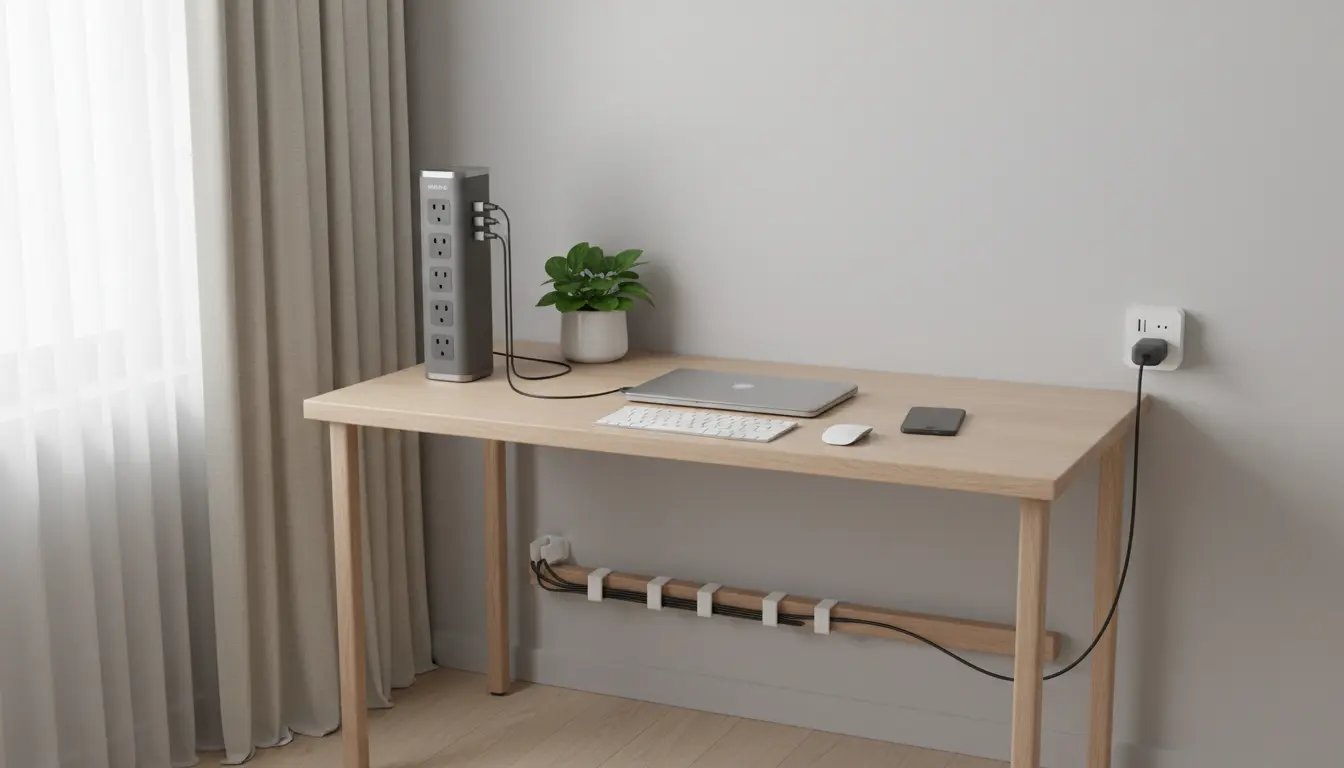
For a practical, widely available option, you can look at a vertical surge‑protected power strip tower with USB ports on Amazon. These tower‑style compact power strips usually offer:
- A small footprint suitable for tiny desks or bedside tables
- Multiple AC outlets arranged vertically to fit bulky plugs
- Several USB‑A and USB‑C fast‑charging ports
- Built‑in surge protection and overload switch
Browsing Amazon for “vertical power strip tower with USB” will show many models that match these features, letting you select the design, color, and power rating that best fit your small space.