
The Ultimate Guide to Choosing the Best Cookware for Gas and Electric Stoves
Selecting the right cookware represents one of the most critical decisions for any home chef. The performance of your pots and pans depends heavily on the heat source you use. Whether you cook on a traditional gas range or a modern electric stovetop, understanding the science of heat distribution ensures better meals and longer-lasting equipment. This comprehensive guide explores the nuances of cookware materials, heat conductivity, and maintenance to help you master your kitchen environment.
Understanding the Dynamics of Gas Stoves
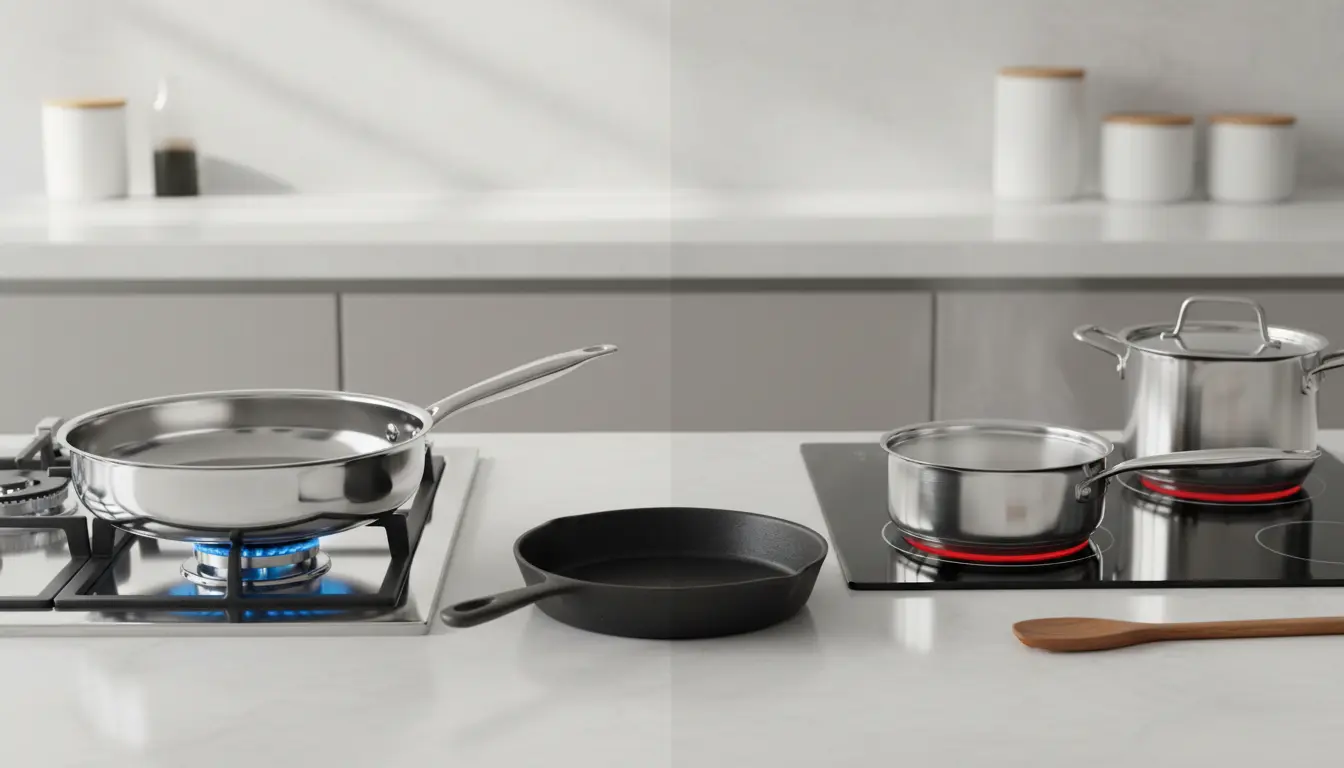
Gas stoves remain a favorite among professional chefs because they offer immediate heat control and visual feedback. When you turn the knob, the flame responds instantly, allowing for precise adjustments. However, gas flames create “hot spots” because the heat concentrates where the fire touches the metal. To combat this, you need cookware with excellent thermal conductivity.
Heavy-duty materials like cast iron and carbon steel excel on gas burners. These materials absorb the intense heat of the flame and distribute it across the entire surface. Since gas flames can lick up the sides of a pan, choosing cookware with clad layers—where aluminum or copper is sandwiched between stainless steel—ensures that the walls of the pot heat as evenly as the base. This prevents scorching and allows for more consistent simmering.



Navigating the World of Electric Stovetops
Electric stoves, including coil and radiant glass-top models, operate differently than gas. They rely on direct contact to transfer heat. For an electric stove to work efficiently, the bottom of your pan must be perfectly flat. Any warp or curve in the metal creates an air gap, which leads to inefficient heating and wasted energy.
Stainless steel and hard-anodized aluminum are top contenders for electric ranges. These materials resist warping even under high temperatures. If you use a glass-top electric stove, you must avoid dragging heavy pots across the surface to prevent scratches. Smooth-bottomed pans are essential here. While electric stoves take longer to heat up and cool down than gas, high-quality multi-ply cookware helps bridge this gap by retaining heat effectively once the desired temperature is reached.
The Role of Material Science in Cooking
The material of your cookware dictates how it reacts to energy. Copper stands as the king of conductivity, heating up and cooling down almost instantly. This makes it ideal for delicate tasks like melting chocolate or creating complex sauces. However, copper requires significant maintenance and often comes with a high price tag.
Aluminum offers a more affordable alternative with nearly as much conductive power. Most modern aluminum cookware undergoes an “anodization” process, which hardens the surface and makes it non-reactive to acidic foods like tomatoes or lemons. For those seeking durability, stainless steel remains the industry standard. While stainless steel alone is a poor conductor, manufacturers solve this by adding a core of aluminum or copper, creating “tri-ply” or “5-ply” structures that offer the best of both worlds: durability and performance.
Cast Iron: The Versatile Powerhouse
No discussion about stovetop cooking is complete without mentioning cast iron. This material works beautifully on both gas and electric surfaces. Its ability to retain heat is unmatched, making it the perfect choice for searing steaks or frying chicken. On a gas stove, the thick walls of a cast iron skillet handle the uneven nature of the flame with ease. On an electric stove, once the iron gets hot, it stays hot, providing a stable cooking environment that compensates for the cycling nature of electric heating elements.
Non-Stick vs. Stainless Steel: Making the Choice
For everyday tasks like cooking eggs or pancakes, non-stick surfaces provide convenience. However, users must exercise caution. High heat can damage non-stick coatings, especially on gas stoves where temperatures can spike quickly. Stainless steel, conversely, handles high heat without issue and allows for the development of “fond”—those delicious browned bits at the bottom of the pan that form the base of great pan sauces. If you prioritize longevity and professional results, investing in a high-quality stainless steel set is often the better long-term strategy.
Maintenance and Longevity Tips
To keep your cookware in peak condition, always match the size of the pan to the size of the burner. Using a small pan on a large gas flame wastes energy and can damage the handle. For electric stoves, a pan that is significantly larger than the heating element will result in undercooked edges.
Hand-washing remains the best way to preserve the integrity of your pots and pans. Even if a label says “dishwasher safe,” the harsh chemicals and high pressure of a dishwasher can dull the finish of stainless steel and erode the seasoning on cast iron. Regular “seasoning” of carbon steel and cast iron ensures a natural non-stick surface that improves with every use.
Conclusion: Investing in Your Culinary Future
The bridge between a raw ingredient and a gourmet meal is the cookware you choose. By matching your pots and pans to your specific stovetop type—considering the direct flame of gas or the flat-surface requirements of electric—you elevate your cooking from a chore to a craft. High-quality cookware is not just a purchase; it is an investment in your health, your home, and your passion for food.
Product Recommendation from Amazon.com
For a versatile option that performs exceptionally on both gas and electric stoves, the All-Clad D3 Stainless Steel Frying Pan with Lid is highly recommended. Its tri-ply construction with an aluminum core ensures rapid and even heating, while the high-quality stainless steel exterior provides incredible durability and a warp-resistant flat base.