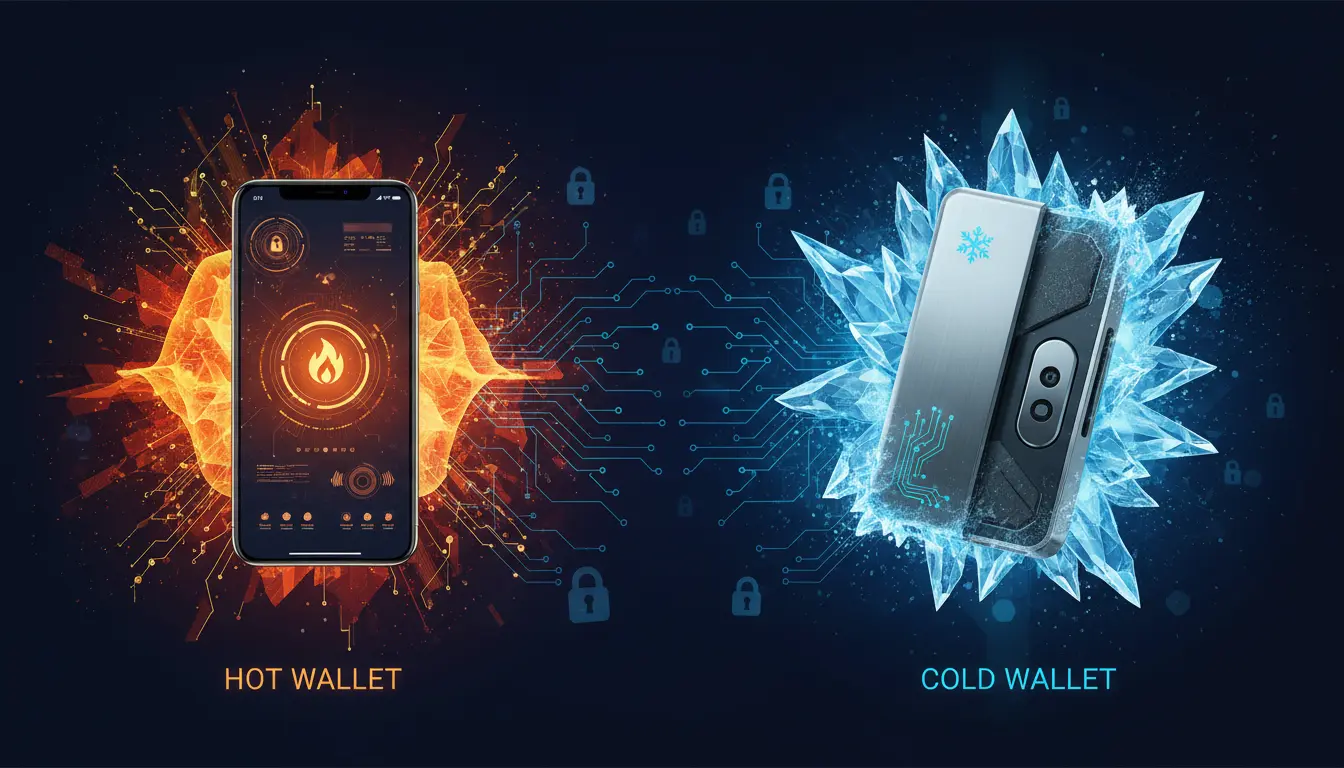

In the rapidly evolving world of digital assets, crypto wallet security is one of the most important topics for investors, traders, and long-term holders alike. Whether you’re managing a diversified portfolio or storing a single asset for the long haul, understanding the difference between hot and cold wallets—and how to secure them—can significantly reduce your risk. This guide explains wallet types, common threats, best practices, and a layered security strategy to help you protect your crypto while maintaining usability.
What Is a Crypto Wallet?
A crypto wallet is a tool that stores and manages your private keys—the cryptographic secrets that grant access to your cryptocurrency. Wallets don’t actually “hold” coins; rather, they interact with the blockchain to authorize transactions. The critical security question is: who controls the private keys and where are they stored?
- Custodial wallets: A third party (like an exchange) holds your private keys. This is convenient but introduces counterparty risk.
- Non-custodial wallets: You control the private keys. This provides more control and security—if managed properly.
The core principle of crypto self-custody is simple: not your keys, not your coins.

Hot Wallets vs. Cold Wallets
Hot wallets are connected to the internet. They include mobile wallets, browser extensions, and web wallets. These are ideal for frequent transactions, DeFi interactions, or active trading due to their convenience and speed. However, their online nature increases exposure to phishing, malware, and smart contract exploits.
Cold wallets are offline storage solutions. Hardware wallets, air-gapped devices, and paper wallets fall into this category. Because they keep private keys offline, they significantly reduce the attack surface. Cold storage is best for long-term holdings and large balances. The main trade-off is convenience; transactions require extra steps, like connecting a hardware device and confirming on-screen prompts.
A hybrid approach works best for most users: keep a small spending balance in a hot wallet for daily use, and store the majority of funds in cold storage.
Threat Landscape: What You’re Defending Against
- Phishing and social engineering: Fake websites, malicious DMs, and lookalike apps aim to trick you into revealing seed phrases or signing malicious transactions.
- Malware and keyloggers: Compromised systems can capture passwords, clipboard data, and wallet credentials.
- SIM swapping: Attackers hijack your phone number to reset exchange or wallet accounts.
- Smart contract risks: Interacting with unknown contracts or dApps can grant dangerous permissions, allowing token drains.
- Supply chain attacks: Tampered hardware devices or compromised firmware can leak keys.
- Physical risks: Theft, coercion, or loss of recovery materials.
Understanding these risks helps you design effective layers of defense.
Best Practices for Hot Wallet Security
- Use reputable wallets: Choose widely audited wallets with strong security track records. Verify official download links and app publishers.
- Harden your device: Keep your OS, browser, and wallet extensions updated. Use antivirus where appropriate and avoid installing untrusted software.
- Separate environments: Dedicate a device profile or separate browser for crypto. Consider a secondary phone exclusively for wallet use.
- Strong, unique passwords: Employ a password manager and avoid reusing credentials. Enable biometric unlock as a convenience layer, not a sole defense.
- 2FA everywhere: Use app-based 2FA (TOTP) or hardware security keys on exchanges and email accounts. Avoid SMS-based 2FA when possible.
- Permission hygiene: Regularly review and revoke token approvals on chains you use. Only sign transactions you fully understand.
- Network hygiene: Avoid public Wi‑Fi for wallet actions; use a trusted network or a reputable VPN.
- Backup seed phrases offline: Never store seed phrases in cloud notes, screenshots, or email. Consider metal seed backups for durability.
Best Practices for Cold Wallet Security
- Buy direct from the manufacturer: Reduce supply chain risks by avoiding third-party sellers where possible. Verify device authenticity and firmware checksums.
- Initialize offline: Set up the device following official guides. Ensure the seed phrase is generated and displayed only on the device screen, not on a connected computer.
- Secure recovery materials: Store your recovery phrase in multiple geographically separated, tamper-evident locations. Use metal backups to resist fire and water damage.
- Passphrase (25th word): If supported, add a passphrase for plausible deniability and additional security. Memorize or store it separately from the seed.
- Transaction verification: Always confirm the recipient address and amount on the hardware wallet screen before approving.
- Firmware updates: Keep firmware current, but verify release authenticity and follow safe update procedures.
- Shamir/secret sharing (advanced): Split a seed into shares to reduce single-point-of-failure risks, if your device and threat model justify it.
Choosing the Right Wallet for Your Use Case
- Active trading and DeFi: A hot wallet with strict operational hygiene, paired with a hardware wallet for signing critical transactions, offers a good balance.
- Long-term holding (HODLing): A hardware wallet or multi-signature cold storage is ideal. Limit on-chain movements to reduce exposure.
- Institutional or high-net-worth storage: Consider multi-sig vaults, policy-based approvals, and hardware security modules with audited procedures.
Multi-Signature and Policy Controls
Multi-signature (multi-sig) wallets require multiple private keys to authorize a transaction (e.g., 2-of-3). This mitigates single-key compromise and allows more robust operational controls:
- Distributed custody: Keep keys with different people or devices in different locations.
- Role-based approvals: Implement spend limits, time locks, and dual control for high-value transfers.
- Recovery resilience: If one key is lost, remaining keys can still recover funds.
For individuals, multi-sig can be overkill unless managing substantial funds, but it is a powerful tool for shared treasuries and DAOs.
Operational Security (OpSec) Tips
- Keep a low profile: Avoid broadcasting holdings or addresses publicly.
- Test transactions: For large transfers, send a small test amount first.
- Compartmentalize wallets: Use separate wallets for NFTs, DeFi experiments, and long-term holdings to reduce blast radius.
- Incident response plan: Document what you’ll do if a device is lost, a seed is compromised, or you detect unusual approvals.
Backups, Recovery, and Inheritance
- Backup strategy: At minimum, one primary and one secondary offline backup, stored separately. Consider a third in a different jurisdiction.
- Inheritance planning: Use legal tools and structured instructions so heirs can access assets without exposing secrets prematurely. Multi-sig with time-locked conditions or trusted executors can help.
- Regular audits: Schedule periodic checks to ensure backups are intact, locations are known, and instructions are current.
The Bottom Line: Layered Security Wins
There is no one-size-fits-all solution. The most resilient approach layers multiple controls: a trusted hardware wallet, strong OpSec, limited hot wallet exposure, routine permission reviews, robust backups, and (for larger balances) multi-sig and policy-based controls. By thoughtfully matching your wallet type to your activity and risk tolerance, you can protect your assets without sacrificing usability.
Quick Setup Checklist
- Acquire a reputable hardware wallet from the manufacturer.
- Initialize and record the seed phrase offline; consider a metal backup and optional passphrase.
- Create a small hot wallet for daily use; keep the majority in cold storage.
- Enable 2FA on exchange/email; use a password manager with unique credentials.
- Regularly review token approvals and update firmware securely.
- Document an incident and inheritance plan.