
The Ultimate Guide to Development Tracking Devices and Smartwatches for Young Athletes
The landscape of youth sports is undergoing a massive digital transformation. Today, parents and coaches no longer rely solely on intuition to gauge a child’s physical progress. Instead, they turn to sophisticated wearable technology designed specifically for the growing body. Development tracking devices and smartwatches for young athletes have become essential tools for monitoring health, improving performance, and ensuring safety. This article explores how these gadgets empower the next generation of champions while maintaining a healthy balance between competition and well-being.
Why Young Athletes Need Specialized Tracking
Children are not just small adults. Their physiological responses to exercise, recovery needs, and growth patterns are distinct. Standard adult fitness trackers often use algorithms that don’t account for the rapid heart rate fluctuations or the high metabolic demands of a developing child. Specialized youth devices bridge this gap by providing data tailored to pediatric biology.
These devices focus on more than just “burning calories.” They prioritize active minutes, sleep quality, and skill acquisition. By using these tools, parents can identify if a child is overtraining, which is a leading cause of burnout and injury in youth sports. Active monitoring allows for data-driven rest days, ensuring the child remains enthusiastic about their sport.

Key Features of Smartwatches for Junior Sports
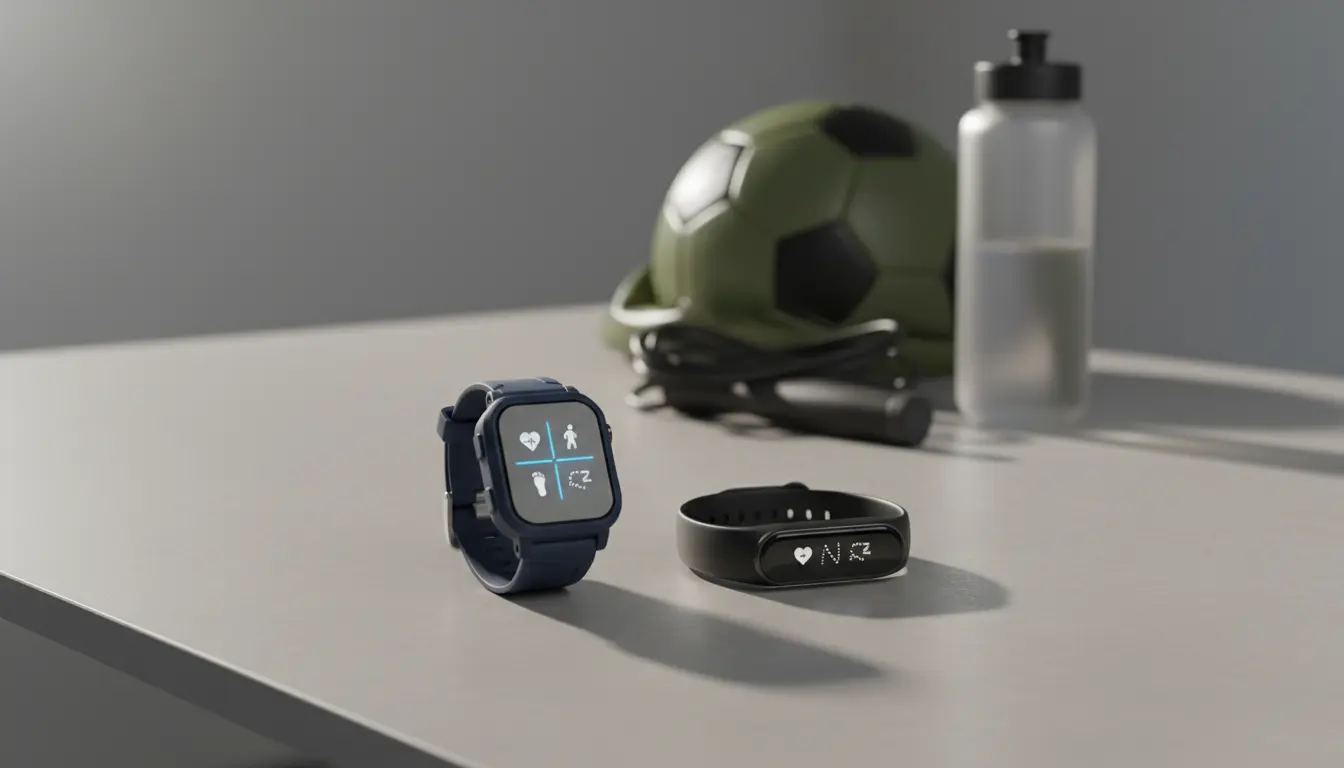
When selecting a device for a young athlete, certain features stand out as non-negotiable. Durability is at the top of the list. Whether it’s a soccer match in the rain or a fall during gymnastics practice, the device must withstand impact and moisture. Most top-tier youth smartwatches feature Gorilla Glass screens and high-rated water resistance.
Beyond physical toughness, the software must be intuitive. Features like GPS tracking allow parents to monitor distance covered during cross-country runs or outdoor practices. Heart rate variability (HRV) is another critical metric, as it indicates how well a child’s nervous system is recovering from the stress of competition. Furthermore, many devices now include “gamification” elements, turning drills and chores into challenges that reward the child with digital badges or unlocked games, fostering a positive relationship with physical activity.
Enhancing Performance Through Data Analytics
Data is only useful if it leads to actionable insights. For a young swimmer, a smartwatch can track stroke count and lap times, helping them visualize their efficiency in the water. For a basketball player, it might track vertical jump height or total distance sprinted during a game.
Coaches are increasingly integrating this data into training regimens. By reviewing weekly reports, a coach can see if a player’s intensity is dropping, which might signal an oncoming growth spurt or fatigue. This proactive approach to athletic development helps in fine-tuning techniques and building a foundation of “physical literacy” that lasts a lifetime.
Safety and Parental Peace of Mind
Safety remains a primary concern for any parent. Many smartwatches designed for children include LTE connectivity, allowing for two-way communication without the need for a full-fledged smartphone. Features like “Safe Zones” or geofencing notify parents if a child leaves the designated practice area.
In the context of health, some advanced wearables can detect irregular heart rhythms or sudden falls. While these devices are not medical-grade equipment, they serve as an early warning system. Knowing that a child’s vitals are within a normal range during a high-intensity tournament provides immense peace of mind to families on the sidelines.
Balancing Technology and Natural Play
While the benefits of tracking are clear, it is vital to ensure that technology does not strip the joy out of sports. The goal of using a development tracking device should be empowerment, not obsession. Experts recommend that parents use the data to start conversations rather than to criticize performance.
Focusing on “process goals”—such as consistent sleep or hitting a target number of active minutes—is much healthier than focusing strictly on competitive rankings. When used correctly, these devices teach children accountability and the importance of self-care, such as hydration and rest, which are the hallmarks of a professional athletic mindset.
The Future of Youth Athletic Wearables
As sensor technology evolves, we can expect even more specialized metrics. Future devices may track hydration levels through skin conductance or monitor bone density changes during growth spurts. Artificial intelligence will likely play a larger role, providing personalized coaching tips based on the child’s unique movement patterns.
The integration of biometric data with educational platforms is also on the horizon. Imagine a device that suggests a specific stretching routine after a heavy leg day or a mindfulness exercise before a big championship game. The potential to create a holistic ecosystem for youth development is limitless.
Conclusion: Investing in the Future
Choosing the right development tracking device is an investment in a child’s long-term health and athletic career. By providing a clear picture of physical exertion and recovery, these smartwatches help prevent injuries and keep the “fun” in sports. As technology continues to advance, the bond between young athletes and their digital companions will only grow stronger, paving the way for a healthier, more active generation.
Product Recommendation from Amazon.com
Garmin vívofit jr. 3
The Garmin vívofit jr. 3 is an excellent choice for young athletes. It is a durable, swim-friendly fitness tracker that goes beyond steps. It tracks active minutes and allows parents to manage chores and give rewards from a controlled app. It doesn’t require charging (1-year battery life), making it perfect for busy kids who forget to plug in their gadgets.