
Comprehensive Guide to Heart Health Features: ECG, Alerts, and SOS
Modern wearables and smart health technologies have transformed the way we monitor and protect our cardiovascular well‑being. Among the most impactful features are ECG (electrocardiogram) monitoring, proactive heart health alerts, and one‑touch SOS emergency services. Together, these tools create a powerful, always‑on safety net: ECG offers clinical‑grade insights into rhythm irregularities, alerts notify you of potential issues before they escalate, and SOS connects you to help when every second counts. This guide explains how these features work, why they matter, and how to use them safely and effectively for better heart outcomes.
What Is ECG and Why It Matters
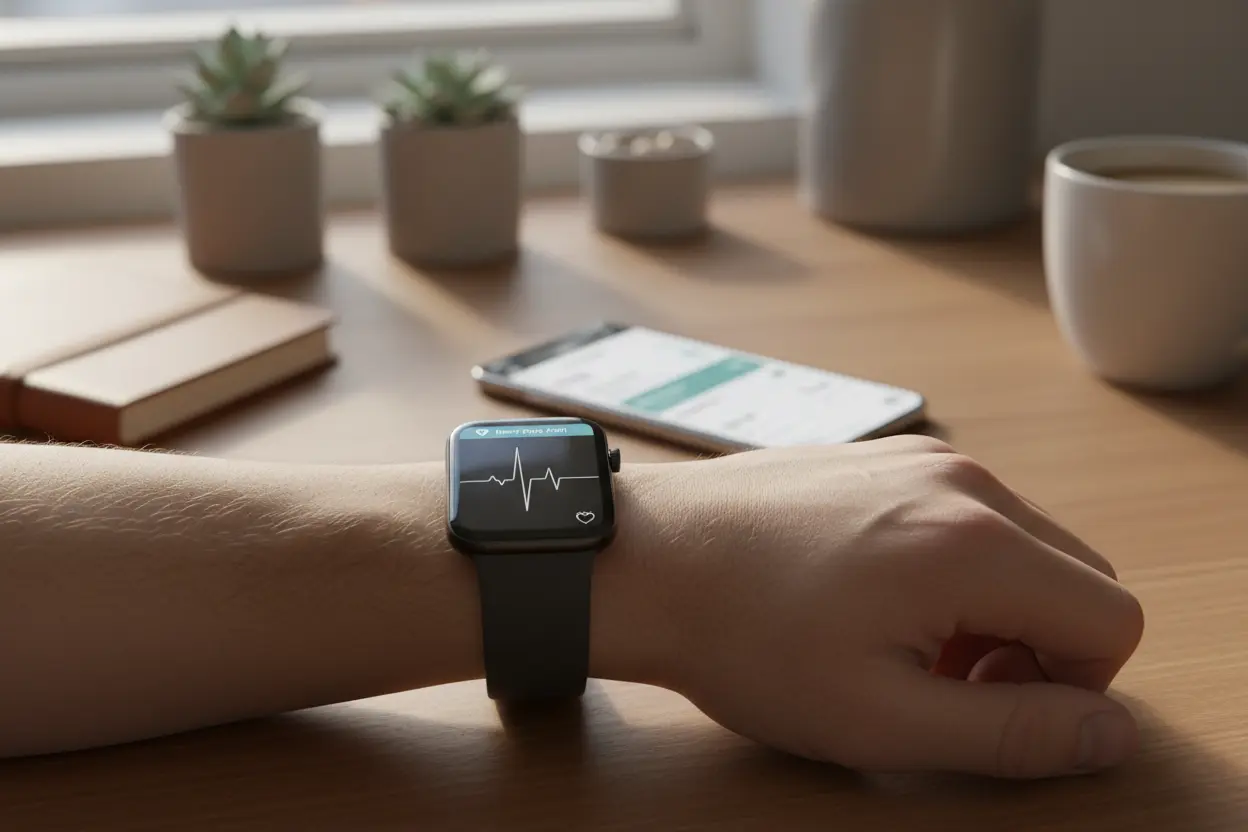
An ECG measures the electrical activity of your heart, visualizing each beat as a waveform with identifiable segments (P wave, QRS complex, T wave). Consumer wearables typically capture a single‑lead ECG, which, while not a replacement for a 12‑lead clinical test, can reliably detect certain rhythm irregularities—especially atrial fibrillation (AFib). AFib is a common arrhythmia where the upper chambers of the heart beat irregularly, potentially increasing the risk of stroke and heart failure if left untreated.
Key benefits of wearable ECG:

- Early detection of irregular heart rhythms, particularly AFib.
- On‑demand readings that can be shared with clinicians for remote triage.
- Trend tracking over time, helping you and your doctor evaluate changes in heart rhythm under different conditions (rest, exercise, recovery).
Limitations to understand:
- Single‑lead ECGs may not detect every type of arrhythmia or structural heart disease.
- Motion, poor sensor contact, cold skin, or dehydration can produce artifacts.
- ECG data should be interpreted in context with symptoms, medical history, and professional evaluation.
Heart Health Alerts: Proactive Monitoring in Real Time
Heart health alerts use continuous optical heart rate monitoring (PPG) and software algorithms to detect patterns suggestive of abnormalities. These alerts typically fall into several categories:
- Irregular rhythm notifications: Warn you about possible AFib episodes detected during normal wear.
- High/low heart rate alerts: Notify you when your heart rate exceeds or falls below a customized threshold while you appear inactive—potentially indicating fever, dehydration, medication effects, or cardiovascular issues.
- Cardio fitness and VO2 Max trends: Provide indicators of aerobic capacity; a downward trend could signal deconditioning, illness, or under‑recovery.
- Heart rate variability (HRV) insights: Lower HRV over time may reflect stress, poor sleep, or overtraining—factors that can influence cardiovascular health.
Why these alerts matter:
- They can prompt earlier medical evaluation, shortening the time to diagnosis and treatment.
- They empower lifestyle adjustments—hydration, rest, stress reduction, or training changes—based on objective signals.
- They create a longitudinal picture of your heart’s behavior, not just a single snapshot.
Best practices:
- Set age‑ and fitness‑appropriate thresholds for high/low heart rate alerts.
- Wear the device consistently and snugly on clean, dry skin to improve signal quality.
- Calibrate with occasional manual readings and note symptoms like dizziness, chest discomfort, palpitations, or shortness of breath.
SOS and Emergency Services: Getting Help Fast
The SOS feature on many smartwatches and phones is designed for speed and simplicity in critical moments. With a long press or specific gesture, SOS can:
- Call local emergency services automatically.
- Send your live location and a customizable message to designated contacts.
- Share medical ID details (allergies, medications, conditions, emergency contacts) from your device’s health profile.
Some devices add fall detection or crash detection, automatically triggering an SOS workflow if a hard fall or impact is detected and you don’t respond. For people at risk of syncope, older adults, endurance athletes, or travelers alone, SOS can be lifesaving by bridging the gap between incident and intervention.
How to optimize SOS:
- Set up emergency contacts and verify your medical ID information in your device’s health settings.
- Test non‑emergency behaviors (like pressing without completing the call) to learn the gesture without triggering a false alarm.
- Keep your device charged and, when possible, connected to cellular or Wi‑Fi for reliable call routing and location sharing.
Building a Heart‑Smart Routine with ECG, Alerts, and SOS
Adopting these features works best as part of a broader, heart‑healthy lifestyle. Consider the following framework:
- Weekly ECG check-ins: Take a reading at rest under consistent conditions (same time, same posture), and repeat during or after light exercise to observe differences. Export and store PDFs or reports for clinical visits.
- Alert hygiene: Review and fine‑tune thresholds quarterly. If you see repeated high resting heart rate alerts, evaluate sleep, caffeine intake, hydration, and stress.
- Symptom journaling: When an alert fires, note your activities, mood, nutrition, and any symptoms. This context helps clinicians distinguish benign variations from clinically significant patterns.
- SOS readiness: Confirm your emergency contacts and review your medical ID every six months or after any medication changes. If you travel, make sure roaming and location services are enabled.
Accuracy, Safety, and When to Seek Care
Wearables have improved dramatically, but measured data can be influenced by sensor placement, skin temperature, tattoos, or motion. Consider these tips to improve accuracy:
- Proper fit: The device should be snug but comfortable, one finger above the wrist bone.
- Warm‑up: Cold skin can reduce blood flow, degrading PPG signal quality; warm your hands before taking readings.
- Stillness: For ECG, sit and rest your forearms on a table; follow on‑screen prompts for the full duration.
Seek medical attention promptly if:
- You receive multiple irregular rhythm alerts with symptoms like chest pain, fainting, severe shortness of breath, or confusion.
- You experience persistent high resting heart rates not explained by stress, caffeine, fever, or medication.
- Your ECG report flags possible AFib or shows inconclusive results repeatedly.
Remember: These tools are adjuncts, not replacements, for professional care. They shine at flagging patterns, prompting earlier conversations, and providing objective data to your healthcare team.
Data Privacy and Sharing
Heart data is sensitive. Review your device’s privacy controls and decide how your information is stored, encrypted, and shared:
- Enable passcodes and, where available, biometric locks.
- Use secure health platforms to share reports with clinicians rather than messaging apps.
- Revoke third‑party app access you no longer use; audit permissions regularly.
Real‑World Scenarios
- The frequent traveler: Elevated resting heart rate alerts after long flights may reflect dehydration and poor sleep; hydration planning and light movement can normalize readings.
- The endurance athlete: Low HRV and rising resting heart rate could signal overtraining; deload weeks and improved sleep hygiene can restore balance.
- The at‑risk patient: A user with hypertension receives irregular rhythm notifications and shares ECG PDFs with a cardiologist, leading to timely AFib management and stroke risk reduction.
- The solo hiker: A fall triggers automatic SOS with location sharing, enabling rapid rescue in a remote area.
Future Directions
Expect continued advances in multi‑lead approximations, cuffless blood pressure estimation, beat‑to‑beat arrhythmia classification, and predictive analytics that correlate sleep, stress, and activity patterns with cardiovascular events. As models improve and regulatory approvals expand, your wrist could become an increasingly powerful extension of preventive cardiology.
Action Checklist
- Configure high/low heart rate alerts with personalized thresholds.
- Take baseline ECGs when relaxed; save and share reports during checkups.
- Complete your medical ID and confirm SOS contacts and settings.
- Track trends: resting heart rate, HRV, and cardio fitness over weeks—not days.
- Treat alerts as prompts to investigate, not diagnoses.