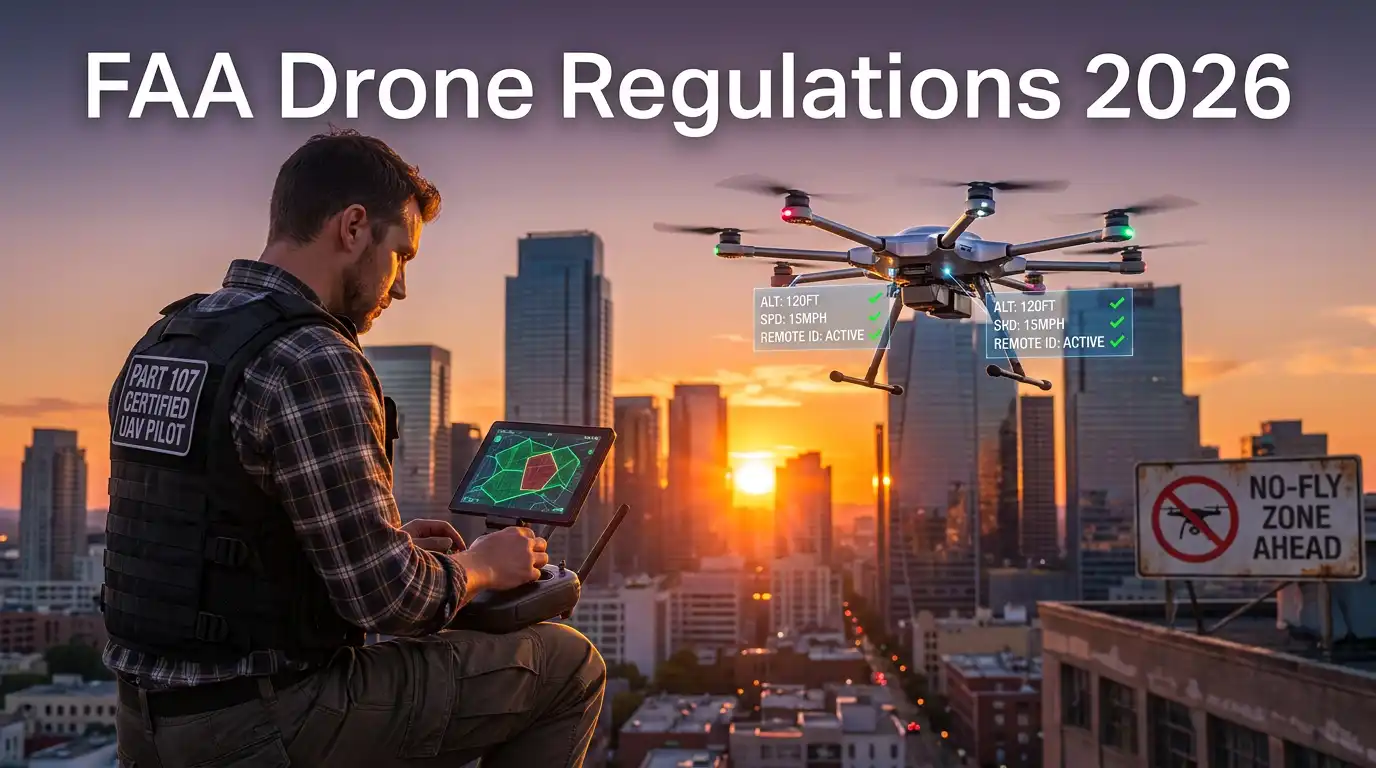

New FAA Regulations for Drone Pilots in 2026: What You Need to Know
The drone industry continues to grow rapidly in 2026, and with that growth comes a new wave of FAA regulations designed to improve safety, privacy, and accountability in American airspace. Whether you fly drones for commercial photography, content creation, agriculture, inspections, or recreational purposes, understanding the latest FAA drone rules is now more important than ever.
The Federal Aviation Administration (FAA) has introduced several updates that directly affect drone pilots across the United States. These changes focus on remote identification, flight restrictions, pilot certification, night operations, and advanced air mobility integration. Drone operators who ignore these new rules could face serious penalties, including fines and suspension of flying privileges.
This guide explains the new FAA regulations for drone pilots in 2026 in clear language while helping you stay compliant and fly safely.
Why the FAA Updated Drone Regulations in 2026
The FAA updated its drone regulations because the number of unmanned aircraft systems (UAS) operating in the U.S. has increased dramatically. More businesses now rely on drones for mapping, delivery services, real estate marketing, emergency response, and infrastructure inspections.
As urban drone traffic becomes more common, the FAA aims to reduce risks involving:
- Mid-air collisions
- Unauthorized flights near airports
- Privacy concerns
- Unsafe night flying
- Interference with emergency operations
The 2026 regulations create a more structured environment for both recreational and commercial drone pilots while preparing the country for future autonomous drone operations.
Remote ID Requirements Are Now Fully Enforced
One of the biggest FAA drone law updates in 2026 involves Remote ID enforcement. Remote ID works like a digital license plate for drones. It broadcasts identification and location information during flight.
Under the new rules, almost all drones operating outdoors must comply with Remote ID requirements unless flown in FAA-recognized identification areas (FRIAs).
What Remote ID Broadcasts
Remote ID systems transmit:
- Drone serial number
- Drone location
- Altitude
- Speed
- Pilot control station location
- Emergency status information
Commercial drone operators must ensure their aircraft includes built-in Remote ID capability or uses an approved broadcast module.
Failure to comply may result in civil penalties or flight restrictions.
Updated Part 107 Rules for Commercial Drone Pilots
The FAA Part 107 certification remains essential for commercial drone operations in 2026. However, the FAA has updated several operational guidelines.
New Changes Under Part 107
Expanded Night Operations
Drone pilots can now conduct more advanced night flights if their aircraft meets updated anti-collision lighting standards. Pilots must also complete additional safety training.
Operations Over People
The FAA has clarified categories for flying drones over people and moving vehicles. Drones with enhanced safety features now qualify for broader operational permissions.
Real-Time Weather Monitoring
Commercial operators must monitor real-time weather data before and during flights. The FAA encourages pilots to use approved drone flight planning apps.
Increased Airspace Monitoring
Drone pilots flying near controlled airspace must use updated LAANC systems for authorization. Airspace violations now trigger faster investigations.
These changes make commercial drone flying safer while supporting the growth of industries using aerial technology.
Recreational Drone Flyers Face Stricter Rules
Recreational drone users also face important changes in 2026. The FAA now requires hobbyist pilots to follow stricter operational standards similar to commercial operators.
Key Recreational Drone Rules
- Flyers must pass The Recreational UAS Safety Test (TRUST)
- Drones heavier than 250 grams require FAA registration
- Pilots must maintain visual line of sight
- Flying near emergency response zones is prohibited
- Remote ID compliance is mandatory for most outdoor flights
The FAA continues to emphasize responsible drone operation, even for casual users flying small consumer drones.
FAA Drone Registration Rules in 2026
Drone registration remains mandatory for many operators in 2026. Pilots must register drones weighing more than 0.55 pounds (250 grams).
Registration Process
The process includes:
- Creating an FAA DroneZone account
- Providing drone information
- Paying the registration fee
- Marking the drone with the registration number
Commercial operators must register each aircraft individually, while recreational users can register multiple drones under one account.
Drone registration helps authorities identify operators involved in unsafe or unauthorized flights.
Geofencing and Restricted Airspace Updates
The FAA now works more closely with drone manufacturers to improve geofencing technology. Many modern drones automatically prevent pilots from entering restricted airspace.
Restricted Areas Include
- Airports
- Military bases
- National security zones
- Wildfire response areas
- Stadium events
- Temporary flight restriction zones
Pilots who disable geofencing systems could face increased liability if violations occur.
The FAA also introduced temporary restrictions for sensitive infrastructure locations, including energy facilities and government buildings.
AI and Autonomous Drone Operations
Artificial intelligence now plays a larger role in drone operations. The FAA has started regulating semi-autonomous and AI-assisted drone systems more aggressively.
New AI Drone Requirements
Operators using AI-powered drones must:
- Maintain manual override capability
- Monitor flights continuously
- Keep detailed flight logs
- Ensure software updates meet FAA standards
Fully autonomous commercial delivery drones face even stricter oversight in densely populated areas.
This shift reflects the growing use of drone automation in logistics, surveillance, and industrial inspections.
Enhanced Drone Pilot Training Standards
The FAA believes education improves safety. As a result, training standards for drone pilots have expanded significantly in 2026.
Required Training Topics
New training programs cover:
- Advanced weather interpretation
- Airspace awareness
- Emergency procedures
- Cybersecurity risks
- Remote ID compliance
- Night flight operations
Commercial pilots renewing their FAA drone license must complete updated recurrent training modules online.
Many employers now prefer drone operators with specialized certifications beyond standard Part 107 licensing.
Privacy Laws and Drone Surveillance Concerns
Drone privacy concerns continue to grow in 2026. Although the FAA primarily regulates airspace safety, many states now enforce stricter drone privacy laws.
Drone pilots should avoid:
- Recording private property without permission
- Flying near residential windows
- Capturing sensitive government facilities
- Conducting unauthorized surveillance
Businesses using drones for data collection should also follow cybersecurity and data protection guidelines.
Respecting privacy helps improve public trust in drone technology.
Penalties for Violating FAA Drone Regulations
The FAA has increased enforcement efforts in 2026. Authorities now use advanced drone detection systems to identify unauthorized flights more quickly.
Possible Penalties Include
- Civil fines
- Drone confiscation
- Certificate suspension
- Criminal charges in severe cases
Flying near airports or emergency operations without authorization can trigger especially serious consequences.
Commercial operators should maintain organized flight records to demonstrate compliance during inspections or investigations.
How Drone Pilots Can Stay Compliant in 2026
Staying compliant requires ongoing education and responsible flying habits.
Best Practices for Drone Pilots
Use FAA-Approved Apps
Apps like B4UFLY and LAANC platforms help pilots check airspace restrictions before takeoff.
Keep Software Updated
Manufacturers regularly release firmware updates supporting FAA compliance features.
Perform Pre-Flight Inspections
Check battery levels, propellers, GPS connections, and Remote ID systems before each flight.
Monitor Weather Conditions
Strong winds and poor visibility increase accident risks significantly.
Maintain Flight Logs
Detailed records help commercial operators demonstrate legal compliance.
Professional drone pilots who stay informed about FAA updates will continue to benefit from expanding business opportunities in the drone industry.
The Future of Drone Regulations
Drone regulations will likely continue evolving over the next several years. The FAA is preparing for advanced air mobility systems, drone delivery networks, and urban aerial transportation.
Future regulations may include:
- Expanded autonomous flight approvals
- Digital traffic management systems
- Stricter cybersecurity requirements
- Urban drone corridor systems
- Enhanced pilot licensing categories
Drone pilots who adapt early to changing regulations will position themselves for long-term success.
Final Thoughts
The new FAA regulations for drone pilots in 2026 mark an important step toward safer and more organized drone operations in the United States. Both recreational and commercial drone operators must understand Remote ID requirements, updated Part 107 rules, airspace restrictions, and privacy expectations.
As drone technology continues advancing, compliance will become even more critical. Pilots who invest in proper training, follow FAA guidance, and operate responsibly will enjoy greater opportunities in industries that increasingly depend on unmanned aircraft systems.
By staying informed and proactive, drone pilots can confidently navigate the future of aviation while avoiding unnecessary legal risks.
Recommended Amazon Product
DJI Mini 5 Pro Drone — Compact, lightweight, FAA-friendly drone with advanced obstacle avoidance and high-quality aerial video capabilities available on Amazon.com.