
Samsung’s Galaxy S26 series is one of the most talked-about smartphones of 2025, drawing equal parts excitement and criticism. While the Galaxy S26 Ultra, S26 Pro, and S26 Edge promise next-level display technology and powerful performance, early renders and leaks have sparked debates about Samsung’s design direction.
In this guide, we explore the most credible Galaxy S26 leaks, rumored specs, design changes, release details, and price expectations, plus a comparison against Apple’s iPhone 17.
Galaxy S26 Release Date: When Will It Arrive?
Samsung traditionally launches its Galaxy S-series devices in February. Based on insider reports, the Galaxy S26 lineup is expected to debut at the Galaxy Unpacked event on February 20, 2025, with retail availability likely in early March worldwide.
This move ensures that Samsung stays ahead of Apple’s fall releases, setting the stage for early-year dominance in global smartphone sales.
Galaxy S26 Design Leaks: Apple-Inspired or Evolutionary?
Perhaps the most controversial leak about the Galaxy S26 series lies in its redesigned aesthetics. Industry insiders claim that Samsung has introduced:
- More rounded corners for the S26 Ultra, moving closer to the silhouette of Apple’s iPhone.
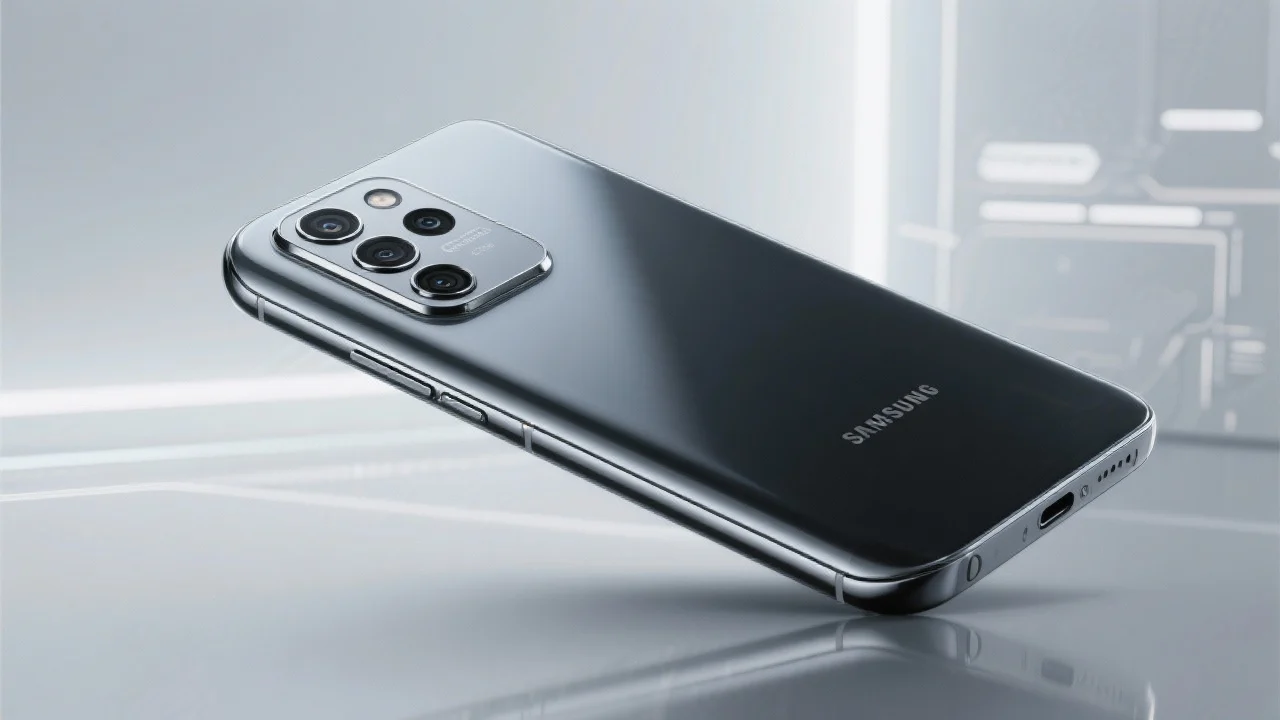
- A large rectangular camera module on the Galaxy S26 Edge that resembles Apple’s rumored iPhone 17 Pro setup.
- Slimmer bezels across the lineup for an immersive full-screen experience.
The backlash is clear: many critics describe Samsung’s S26 line as looking more like an iPhone than a Galaxy device. Polls across tech forums suggest that long-time Samsung fans feel the brand is abandoning its design identity in favor of Apple-inspired elements.
Galaxy S26 Edge: The Camera Island Debate
The Galaxy S26 Edge is generating heated discussion thanks to its oversized rear camera island, which is eerily similar to the layout of Xiaomi’s Mi 11 Ultra and Apple’s iPhone 17.
While many view this as a lack of originality, Samsung insiders insist that the camera island doubles as an engineering necessity:
- Housing larger sensors and internal cooling units
- Creating more space for slimmer phone bodies
- Improving thermal stability
This bold design shift shows Samsung pushing technical boundaries, even if its visual identity feels borrowed.
Display Technology: Brightness and Innovation
Samsung remains the undisputed leader in display technology. The Galaxy S26 Ultra is expected to feature the industry’s brightest screen yet, peaking at nearly 3000 nits.
Other rumored display upgrades include:
- AMOLED 2X Evolution Panel with 1Hz–120Hz adaptive refresh rate
- Improved outdoor visibility with reduced glare coating
- Slimmer bezels with micro-LED back panel integration
For users prioritizing display quality, the Galaxy S26 series is positioned to dominate once more.
Performance: Snapdragon 8 Gen 5 and AI Integration
Under the hood, the Galaxy S26 lineup is expected to be powered by the Qualcomm Snapdragon 8 Gen 5 chipset in most global markets and Samsung’s Exynos 2500 in select regions. Both promise stronger AI-driven performance and better energy efficiency.
AI functionality will play a central role in:
- Enhancing real-time language translation
- Smarter photo processing comparable to Apple’s iOS AI features
- Dynamic power optimization to stretch battery life
Camera Upgrades: More Than Just Numbers
The Galaxy S26 Ultra could boast the most advanced smartphone camera system in 2025. Potential upgrades include:
- 200MP main camera with optimized night photography
- Ultrawide sensor with 50MP resolution for clearer landscape shots
- Periscope telephoto zoom with up to 12x optical magnification
- Advanced AI-camera software for automatic scene detection
Meanwhile, the Galaxy S26 Edge is rumored to skip the periscope lens, offering a lighter, slimmer alternative for users who don’t need professional zoom.
Battery and Charging
Samsung is reportedly adopting stacked battery technology for the Galaxy S26 series, allowing batteries to be slimmer while retaining capacity. Expected specs:
- 5000mAh battery (Ultra)
- 45W wired fast charging
- 25W fast charging on smaller models
- Wireless charging and reverse wireless charging
While not industry-shattering, these numbers put Samsung consistently ahead of Apple, which is rumored to stick around 35W for the iPhone 17.
Software: Android 16 With One UI 7
The Galaxy S26 will ship with Android 16, customized with One UI 7. Samsung’s software priorities appear to be:
- Improved customization options for lock screens and widgets
- AI-powered multitasking and app suggestions
- Deeper integration with Galaxy AI ecosystem across phones, watches, and laptops
- Seamless interaction with Samsung’s foldables and tablets
Galaxy S26 Price Predictions
Leaks suggest the Galaxy S26 Ultra will start around $1,299, marking a potential $100 increase over its predecessor. The Galaxy S26 Edge could hover around $1,099, while the standard Galaxy S26 Pro might debut at $999.
With rising inflation and a shift toward premium components, higher pricing seems inevitable.
Galaxy S26 vs iPhone 17: The Clash of 2025
The Galaxy S26 series vs iPhone 17 battle is shaping up to be one of the fiercest in years.
- Apple fans highlight the iPhone 17’s smaller Dynamic Island and redesigned camera bar.
- Samsung loyalists point to higher-resolution displays, brighter panels, and more advanced zoom cameras.
However, critics argue that Samsung blurring design lines with Apple may push undecided buyers toward iPhones, especially in Western markets.
Final Thoughts: Should You Wait for the Galaxy S26?
If you’re using a Galaxy S23 or earlier, the Galaxy S26 will be a powerful leap forward in both design and performance. Its camera hardware, display brightness, and AI-powered features ensure it stands tall in the premium Android market.
But for users prioritizing originality in design, the iPhone 17 may feel like a fresher take in 2025. The best decision ultimately depends on whether you prefer Samsung’s hardware leadership or Apple’s ecosystem synergy.
Either way, the Galaxy S26 represents another milestone in Samsung’s quest to lead the Android flagship space.