Grid-Friendly Smart Charging: How U.S. Utilities Encourage EV Charging During Off-Peak Hours
Electric vehicles are transforming transportation in the United States, but they also introduce a new kind of challenge: timing. When millions of drivers plug in after work—often during the same evening peak when households use lights, cooking appliances, and heating or cooling—electric demand rises sharply. That peak demand is expensive, strains equipment, and can increase emissions if the grid must rely on “peaker” plants.
To reduce stress and keep costs down, many U.S. electric utilities promote grid-friendly smart charging—programs and price signals that nudge EV owners to charge during low-demand hours, typically late at night. The goal is simple: keep drivers happy and mobile while helping the grid run more smoothly. In this article, you’ll learn the main strategies utilities use, how they work in practice, and what EV owners can do to benefit.
What “Grid-Friendly Smart Charging” Really Means
Smart charging is not just “charging at night.” It’s the coordinated use of pricing, automation, and sometimes direct utility control (with permission) to shift charging away from peak demand. Utilities value this shift because it:
- Uses existing grid capacity more efficiently
- Delays expensive infrastructure upgrades
- Improves reliability during high-demand events
- Enables better integration of renewable energy like wind (often stronger at night)
- Helps reduce total system costs, which can stabilize rates over time
From the driver’s perspective, the best smart charging programs feel effortless: you plug in, set preferences once, and the system schedules charging when electricity is cheaper and cleaner.
Why Off-Peak Charging Matters to Utilities
Electric grids must balance supply and demand in real time. Peak demand forces utilities to keep extra generation and distribution capacity available—even if it’s only needed a few hours per day. That means higher costs for everyone.
EVs can either worsen peaks or become a flexible asset. If charging is timed intelligently, EV load can fill low-demand valleys at night. This “load shifting” improves the load factor (how evenly energy is used across the day) and reduces strain on transformers and feeder lines.
Utilities also face regulatory pressure to support transportation electrification while maintaining reliability. Encouraging off-peak charging is one of the most practical tools to meet both objectives.
1) Time-of-Use Rates: The Most Common Incentive
One of the most widespread strategies is time-of-use (TOU) electricity rates. Under TOU, electricity costs more during peak hours and less during off-peak hours. This price difference creates a direct financial incentive to charge when the grid is underutilized.
Utilities often design EV-focused TOU plans that feature:
- Very low overnight rates (for example, after 9 p.m. or midnight)
- Higher late afternoon and early evening rates
- Optional enrollment for EV owners who can shift their load
TOU works because it rewards behavior rather than requiring complicated technology. Even basic EVs can benefit if the owner uses the car’s built-in charging schedule.
2) EV-Specific Rates and Separate EV Meters
Some utilities offer special EV rates that improve on standard TOU pricing. These plans may require enrollment verification (such as VIN or proof of EV ownership) and sometimes encourage installation of a separate meter for the charger.
Why would a separate meter help? Because it lets the utility apply a cheaper rate to EV charging without changing how the rest of the home is billed. This makes it easier for households to adopt an EV plan without worrying about peak pricing for cooking or air conditioning.
EV-specific rates can be highly attractive for drivers with predictable overnight charging habits—especially commuters who drive a consistent daily distance.
3) Smart Charger Rebates and Make-Ready Programs
Utilities also encourage off-peak charging through hardware incentives, including:
- Rebates on Level 2 smart chargers
- Installation support (sometimes called “make-ready” programs)
- Discounts for customers who enroll in managed charging
A smart charger can automatically schedule charging to start at a specific time and can respond to utility signals, depending on the program. Utilities like these chargers because they give more reliable load shifting compared to “manual” behavior change.
Make-ready programs can be especially important because home charging adoption often depends on installation cost. By lowering upfront expenses, utilities accelerate EV adoption while guiding customers toward grid-friendly equipment.
4) Managed Charging (Opt-In): Automation With Limits
Managed charging programs go a step further than TOU rates. With managed charging, the driver gives permission for a utility or partner platform to adjust charging within agreed boundaries.
This does not typically mean the utility can “turn off” charging randomly. Instead, programs often include:
- A required “ready by” time (for example, fully charged by 7 a.m.)
- A minimum state-of-charge rule for emergencies
- Override options when a driver needs to charge immediately
- Event-based reductions during extreme peak periods
Utilities prefer managed charging because it produces predictable grid benefits. Drivers like it when the program is transparent, respects their schedule, and provides tangible bill savings or incentives.
5) Bill Credits, Cash Incentives, and Rewards Programs
Not everyone responds to a rate change. Some utilities use direct incentives such as:
- Monthly bill credits for enrolling in off-peak or managed charging
- One-time sign-up bonuses
- Annual rewards for staying enrolled and charging off-peak consistently
These incentives can improve program participation, especially among customers who don’t want to change their utility rate plan. Rewards programs also feel simple: charge mostly at night, and you earn credits.
6) Demand Response Events and Peak-Time Notifications
Another approach is demand response. During extreme grid conditions—heat waves, cold snaps, or unexpected generation shortfalls—utilities may call a demand response event. EV charging is a prime candidate for temporary reduction because it’s flexible for many drivers.
Utilities may implement this through:
- App notifications encouraging delayed charging
- Automatic temporary reductions through smart chargers
- Optional participation that pays incentives per event
This model works best when utilities communicate clearly and keep events limited. When drivers feel respected, they stay enrolled and the grid gains a valuable safety valve.
7) Partnerships With Automakers and Charging Platforms
Utilities increasingly collaborate with automakers and charging software providers. Instead of controlling a standalone charger, utilities can coordinate charging through:
- Vehicle telematics (where available)
- Manufacturer charging management tools
- Third-party platforms that integrate many charger brands
These partnerships help utilities scale programs without requiring every customer to buy a specific charger. They also create smoother user experiences, because drivers manage everything through a familiar app.
How EV Owners Can Participate (and Save Money)
If you own an EV in the U.S., you can often benefit quickly without major changes:
- Ask your utility about EV TOU plans and compare the peak/off-peak price difference.
- Use your vehicle’s scheduled charging feature to start charging late at night.
- Consider a smart Level 2 charger if you want automation and better tracking.
- Enroll in managed charging if the program offers meaningful credits and easy overrides.
- Track your charging habits for a month to confirm savings and adjust schedules.
The best approach depends on your driving routine, your home electrical setup, and your local utility options.
The Bigger Impact: Reliability, Cost Control, and Cleaner Energy
Off-peak EV charging is not just a billing trick. It’s a practical way to modernize energy usage. When utilities successfully shift charging to low-demand hours, they can reduce the need for new peaker generation, limit grid congestion, and better match charging with renewable generation profiles in many regions.
This is why grid-friendly smart charging is becoming a central part of U.S. electrification strategy. It aligns customer savings with system efficiency—a rare win-win in energy policy.
Common Concerns (and What to Look For)
Before enrolling in any program, EV owners should check:
- Data privacy: What data is collected and who can access it?
- Control boundaries: Can you override? What happens if you opt out?
- Charging guarantees: Will the car be ready by your set departure time?
- Total cost comparison: TOU plans may raise peak-hour costs for household usage.
- Equipment requirements: Some programs require specific chargers or Wi‑Fi reliability.
When utilities design programs well, they build trust. When they don’t, customers disengage. Transparency matters as much as incentives.
Amazon.com Product Recommendation (1 Item)
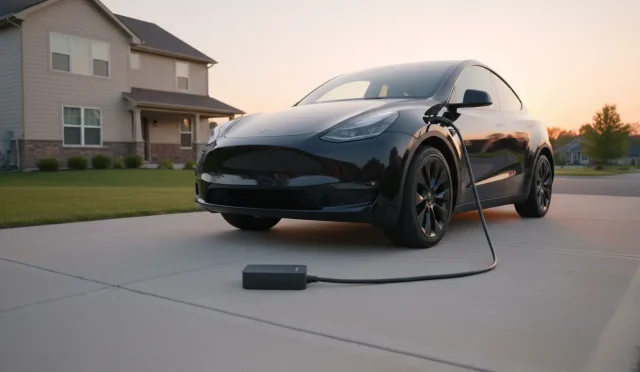
If you want to make off-peak charging easier at home, consider a Wi‑Fi enabled Level 2 smart EV charger available on Amazon.com. This type of charger supports scheduling and energy tracking, which helps you consistently charge during low-rate hours.