
The Long‑Term Impact of Fast Charging on Electric Car Battery Health
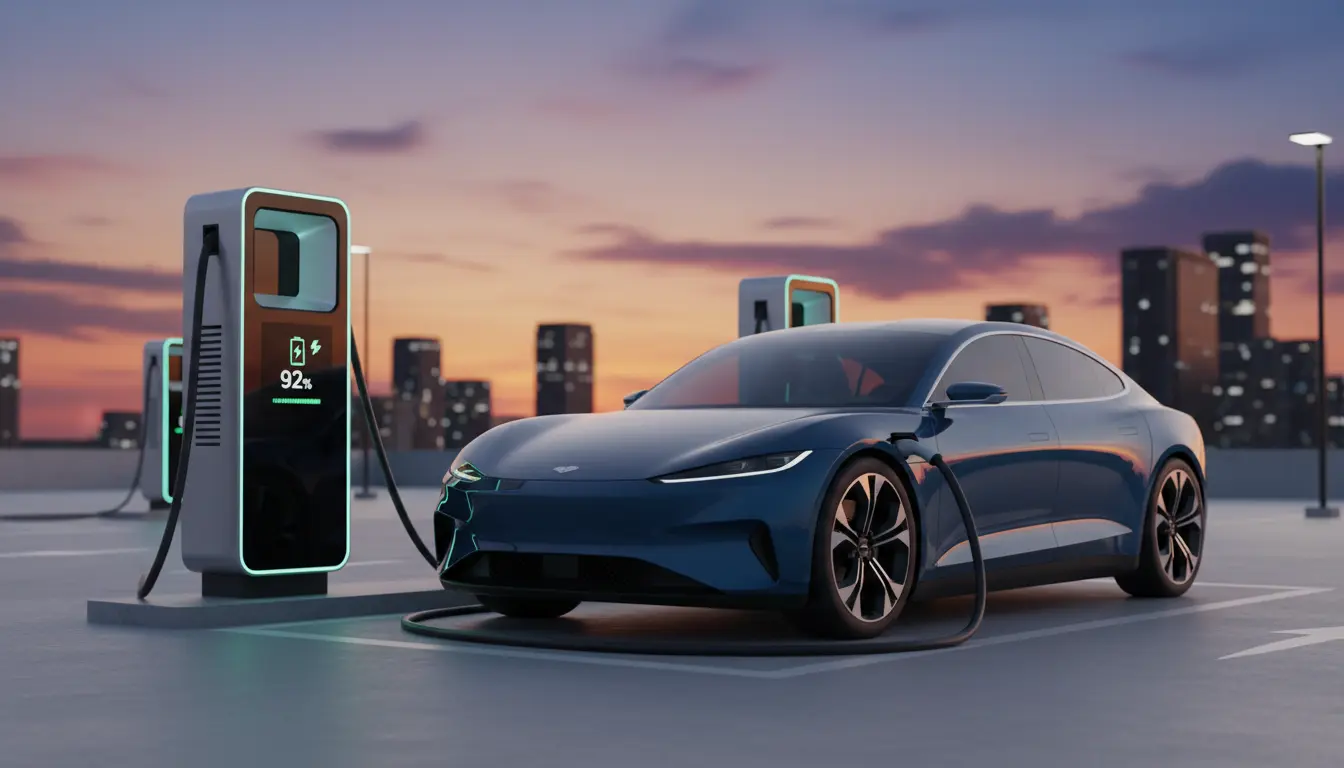
Fast charging has transformed the electric vehicle (EV) experience. What once required hours at a slow charger can now be done in minutes at a DC fast charging station. This convenience is one of the main reasons more drivers are willing to switch from internal combustion engines to EVs. However, a common concern remains: How does fast charging affect long‑term battery health and lifespan?
In this article, we will explore the science behind fast charging, what it does to lithium‑ion batteries over time, and how drivers can balance convenience with battery longevity. We will also debunk a few persistent myths and share practical tips based on real‑world data from EV fleets and manufacturers.
How EV Batteries Work and Why Charging Speed Matters
Most modern electric cars use lithium‑ion battery packs. These packs are made up of many individual cells, each containing a positive electrode (cathode), a negative electrode (anode), a separator, and an electrolyte. During charging, lithium ions move from the cathode to the anode, and during discharge, they move back.

Fast charging increases the rate at which energy is pushed into the battery. Instead of slowly moving ions between electrodes, the process is accelerated by higher currents and voltages. This increased pace is convenient for the driver but puts additional stress on:
- Cell temperature: High charging currents generate more heat.
- Electrode structure: Rapid ion movement can cause mechanical and chemical strain.
- Electrolyte stability: High temperatures and high voltages can speed up degradation reactions.
In other words, fast charging is not “free” from a battery chemistry perspective. The key question is not whether it causes extra wear—it does—but how much and under what conditions.
The Main Ways Fast Charging Can Degrade EV Batteries
Long‑term studies and manufacturer data consistently show a few primary mechanisms by which frequent fast charging can harm battery health:
- Heat‑Induced Degradation
Fast charging often raises the battery pack temperature more than AC (Level 2) charging. Excess heat accelerates unwanted chemical reactions that reduce the amount of active lithium and damage the electrodes. Over time, this leads to:- Reduced usable capacity (less range)
- Higher internal resistance (slower charging, less power)
- Possible imbalance between cells
- Lithium Plating at High Charge Rates
When charging is very fast, especially at low temperatures or very high states of charge (SoC), lithium ions may not have enough time to properly intercalate into the anode. Instead, they can form metallic lithium on the anode surface—a phenomenon called lithium plating. This:- Permanently removes lithium from the charge cycle
- Increases the risk of dendrite growth and internal short circuits
- Accelerates capacity loss
- Stress at High State of Charge
Fast charging is most stressful near the top of the battery’s charge window (for example, above 80% SoC). The electrodes are already “full,” and pushing more energy in at high speed creates extra mechanical and chemical pressure. This is why many automakers taper the charging speed significantly after 60–80% SoC. - More Frequent High‑Power Cycles
Using fast chargers regularly often means more shallow but intense charge cycles compared to slower, gentler overnight charging. Over years of use, these high‑power cycles contribute to a measurable, though not catastrophic, loss of capacity.
How Serious Is the Impact in Real Life?
In controlled lab tests, charging the same battery repeatedly at very high C‑rates and elevated temperatures can cut its life in half compared to gentle charging. However, real‑world EVs are not unprotected lab cells. They have battery management systems (BMS) and thermal management designed to reduce damage.
Real‑world fleet data and user reports show:
- Occasional fast charging has minimal impact on battery health.
- Drivers who rely on DC fast charging almost daily tend to see faster capacity loss, often a few percentage points more over several years compared to drivers who mostly charge at home.
- EVs with active liquid cooling and sophisticated BMS suffer less degradation from fast charging than earlier models with passive cooling or limited management logic.
In other words, context matters. Fast charging is not automatically destructive, but making it your primary charging method will likely reduce battery life compared to mostly using slower charging options.
How Modern EVs Protect the Battery During Fast Charging
To balance convenience and durability, manufacturers are doing a great deal behind the scenes whenever you plug into a high‑power charger. Protection strategies include:
- Adaptive Charging Curves
The car controls the power it will accept, not the charger. Charging usually starts at a high rate when the battery is at a low SoC, then tapers down as the SoC rises. This reduces stress at high charge levels and helps prevent lithium plating. - Temperature Management
Many EVs pre‑condition the battery (heating or cooling it) before arriving at a fast charger, especially if a DC fast charger is set as the destination in the navigation system. During and after charging, the thermal system keeps the pack within an optimal temperature range. - Conservative Usable Capacity Window
Automakers usually reserve a safety buffer at the top and bottom of the battery’s true capacity. Even when you see 0% or 100% on the dashboard, the cells are typically not at their absolute extremes. This hidden buffer helps reduce degradation during both driving and fast charging. - Charging Power Limits Over Time
Some vehicles reduce maximum allowed fast‑charge power as the battery ages. While this may slow down charging slightly in older cars, it protects the pack from further damage.
These measures mean that, for most drivers, fast charging used responsibly will not “kill” the battery, especially within the warranty period.
Best Practices to Minimize Battery Degradation with Fast Charging
If you want to enjoy the benefits of fast charging without sacrificing long‑term battery health, follow these practical guidelines:
- Use Fast Charging Strategically, Not Constantly
Rely on DC fast charging mainly for:- Long trips
- Occasional urgent needs
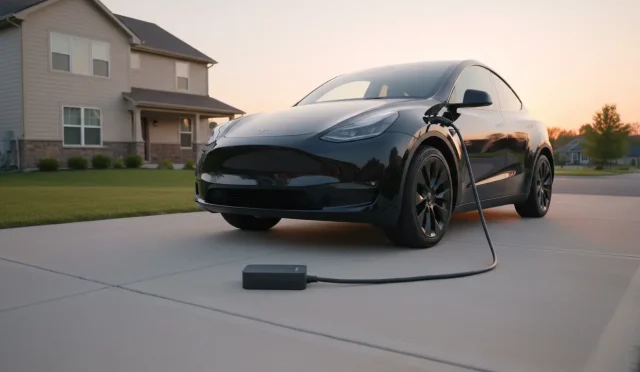
For daily charging, prefer AC Level 2 home or workplace charging, which is gentler on the battery.
- Stay Between Roughly 10% and 80% on Fast Charges
Many EVs charge fastest in this mid‑range. Stopping a fast charge at 70–80% significantly reduces time and stress compared to pushing to 100%. Save full charges for rare situations where you really need maximum range. - Avoid Fast Charging on a Very Cold Battery
In cold weather, the risk of lithium plating is higher. If your car supports battery pre‑conditioning, use it before arriving at the charger. If not, drive a bit to warm the pack before initiating a fast charge. - Don’t Stack Stress Factors
The most damaging conditions for a battery are combinations such as:- High SoC + high temperature
- High SoC + fast charging + prolonged parking in heat
Try not to: - Fast charge to 100%, then leave the car sitting for hours in direct sun.
- Repeatedly fast charge immediately after aggressive high‑speed driving in hot weather, if your car signals overheating.
- Pay Attention to Manufacturer Recommendations
Each EV model has specific guidelines for optimal charging. Some even recommend ideal daily SoC ranges (for example, 20–80%) and offer limited daily fast‑charge suggestions. Following these guidelines not only protects the battery but can also preserve your warranty coverage.
Debunking Common Myths About Fast Charging and EV Batteries
Because battery technology is complex and relatively new to many drivers, several myths keep circulating:
- Myth 1: “Using a fast charger even a few times will ruin your battery.”
Reality: Modern EVs are designed for occasional fast charging. Using DC fast charging on road trips or when needed will have negligible long‑term impact. - Myth 2: “Slow charging is always better, no matter what.”
Reality: Extremely slow charging under unfavorable conditions (for example, very high SoC in hot weather) can also cause degradation. It’s not just about speed; temperature, SoC range, and time at high voltage also matter. - Myth 3: “If I never fast charge, my battery will last forever.”
Reality: All lithium‑ion batteries degrade over time, even if rarely charged quickly. Factors like calendar aging, climate, and daily usage patterns also play major roles.
Understanding these nuances helps drivers make balanced decisions instead of avoiding useful infrastructure out of fear.
Finding the Right Balance Between Convenience and Longevity
Fast charging is one of the key enablers of widespread EV adoption. It dramatically reduces range anxiety and makes long‑distance electric travel practical. At the same time, maximizing battery life is critical for sustainability, total cost of ownership, and used EV resale value.
The optimal strategy is not to avoid fast charging altogether, but to:
- Use it when it adds real value (time saved, trip made possible).
- Minimize exposure to extreme conditions (very high SoC, high heat, or deep cold).
- Combine it with predominantly gentle daily charging habits.
When approached thoughtfully, fast charging and long‑term battery health can absolutely coexist.