
Introduction: Fast Charging Convenience vs. Battery Longevity
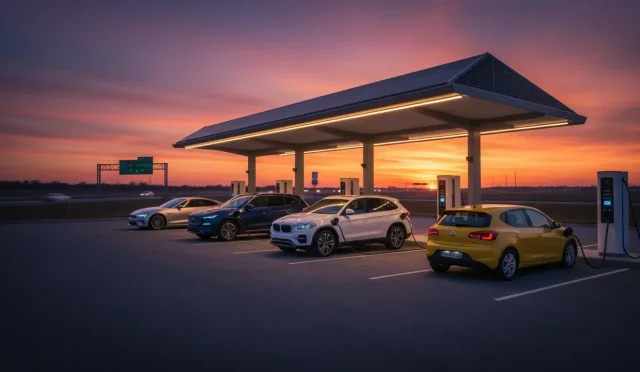
Fast charging has transformed the electric vehicle experience in the United States. With expanding DC fast charging networks across highways, shopping centers, and urban hubs, EV owners enjoy unprecedented convenience. However, many drivers still ask the same critical question: How often should you use fast charging without harming your battery?
Understanding the balance between convenience and long-term battery health is essential. While fast charging can save time, excessive use may impact battery longevity, efficiency, and resale value. This guide explains how often fast charging is appropriate, what U.S. drivers should consider, and how to develop healthy charging habits.
What Is Fast Charging and How Does It Work?
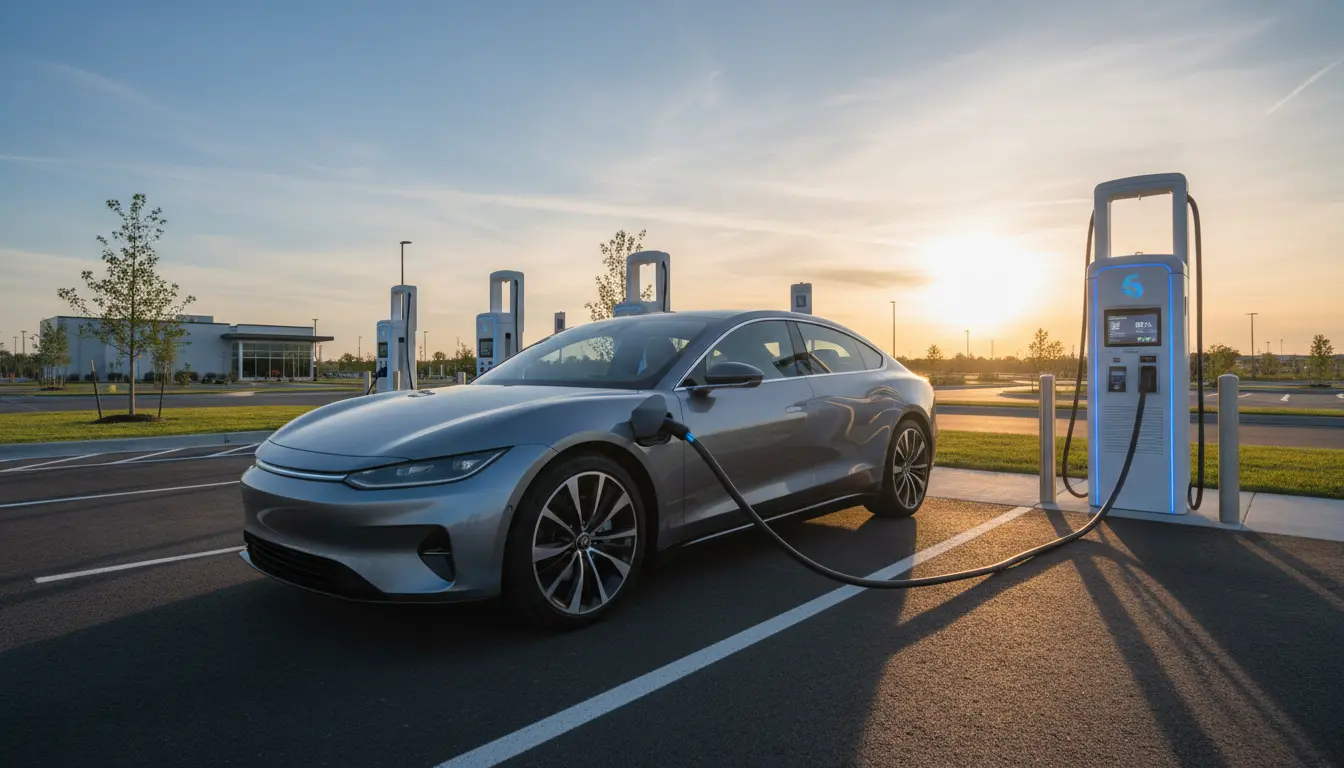
Fast charging, also known as DC fast charging, delivers high-voltage direct current directly to your EV’s battery. Unlike Level 1 or Level 2 charging, which uses alternating current, DC fast chargers bypass the onboard charger to replenish battery power quickly.


In the U.S., fast chargers can deliver anywhere from 50 kW to over 350 kW, depending on the station and vehicle compatibility. This allows most EVs to charge from 10% to 80% in under 40 minutes.
Why Battery Chemistry Matters
Lithium-ion batteries power nearly all modern electric vehicles. These batteries are sensitive to heat, voltage stress, and repeated high-speed charging cycles.
Fast charging generates more heat than slower methods. Although EVs include advanced battery management systems, repeated exposure to high temperatures may accelerate battery degradation over time.
That doesn’t mean fast charging is harmful by default—it simply requires moderation.
How Often Should You Fast Charge Your EV?
For most U.S. electric vehicle owners, experts recommend using fast charging occasionally, not daily.
General Guideline
- Daily driving: Use Level 1 or Level 2 home charging
- Long trips: Use fast charging when needed
- Emergency situations: Fast charging is perfectly acceptable
Ideally, fast charging should make up less than 20–30% of your total charging sessions. This approach helps maintain battery health while still offering flexibility.
Fast Charging and Battery Degradation: What Research Shows
Studies from EV manufacturers and battery researchers show that frequent DC fast charging can slightly increase battery wear over several years. However, modern EV batteries degrade far slower than early-generation models.
In real-world U.S. driving conditions, occasional fast charging has minimal impact when combined with good charging habits, such as avoiding 100% charges and extreme temperatures.
Urban vs. Highway Charging Habits in the U.S.
City Drivers
Urban EV owners often rely on public chargers due to limited home charging access. If you live in an apartment or condo, fast charging may be unavoidable at times.
Tip: Combine fast charging with Level 2 workplace or overnight charging whenever possible.
Highway and Road Trip Drivers
Fast charging is essential for road trips across states like California, Texas, or Florida. In these cases, fast charging is not only acceptable but expected.
Best Charging Practices for Long-Term EV Health
To extend your battery’s lifespan while enjoying fast charging, follow these best practices:
- Keep daily charge levels between 20% and 80%
- Avoid charging to 100% unless necessary
- Let the battery cool after fast charging
- Charge during moderate temperatures
- Use manufacturer-recommended chargers
These habits reduce stress on the battery and improve long-term performance.
Is Home Charging Better Than Fast Charging?
Yes. Home Level 2 charging remains the healthiest option for EV batteries. It provides slower, more controlled charging that generates less heat.
For U.S. homeowners, installing a Level 2 charger significantly reduces reliance on public fast charging stations and lowers long-term charging costs.
Cost Considerations for Fast Charging in the U.S.
Fast charging is often more expensive than home electricity rates. Many U.S. charging networks charge by the kilowatt-hour or by time.
Over time, frequent fast charging can:
- Increase overall charging costs
- Reduce efficiency during peak hours
- Lead to longer wait times at busy stations
Balancing fast and home charging helps control expenses.
Climate Impact: Why Location Matters
The U.S. spans a wide range of climates, and temperature plays a major role in battery health.
- Hot states (Arizona, Nevada): Limit frequent fast charging during heat waves
- Cold states (Minnesota, Michigan): Precondition your battery before fast charging
- Moderate climates (California, Oregon): Ideal for balanced charging habits
Modern EVs adapt to these conditions, but driver awareness still matters.
How Manufacturers Design EVs for Fast Charging
Automakers like Tesla, Ford, and Hyundai design EVs to handle fast charging safely. Battery cooling systems, charging curves, and software limits prevent major damage.
Still, manufacturers often recommend moderation, reinforcing the idea that fast charging is a tool—not a daily necessity.
Fast Charging and EV Resale Value
Battery health directly impacts resale value in the U.S. used EV market. Buyers often check battery condition reports before purchasing.
Maintaining a healthy charging balance:
- Preserves range
- Improves buyer confidence
- Increases long-term vehicle value
Recommended Amazon Product for Healthier Charging
For U.S. EV owners seeking a reliable home charging solution, consider:
ChargePoint Home Flex Level 2 EV Charger
This smart charger offers adjustable amperage, Wi-Fi connectivity, and compatibility with most EV models sold in the U.S. It reduces reliance on fast charging and supports better battery health.
Conclusion: Use Fast Charging Wisely, Not Fearfully
Fast charging is an essential part of the modern EV ecosystem in the United States. When used strategically, it enhances convenience without compromising battery health.
The key is balance. Prioritize home or workplace charging, reserve fast charging for travel or emergencies, and follow smart charging habits. Doing so ensures your electric vehicle delivers reliable performance for years to come.