
The State of Used EV Battery Health Reports in the US: What Buyers Really Want
The used electric vehicle (EV) market in the United States is currently undergoing a massive transformation. As thousands of first-generation EVs hit the secondary market, a new priority has emerged for American consumers: battery transparency. Unlike internal combustion engine (ICE) vehicles, where mileage and service history dictate value, the “engine” of an EV is its high-voltage battery pack. Consequently, battery health reports have become the most critical document in a used car transaction.
The Shift from Odometer to State of Health (SoH)
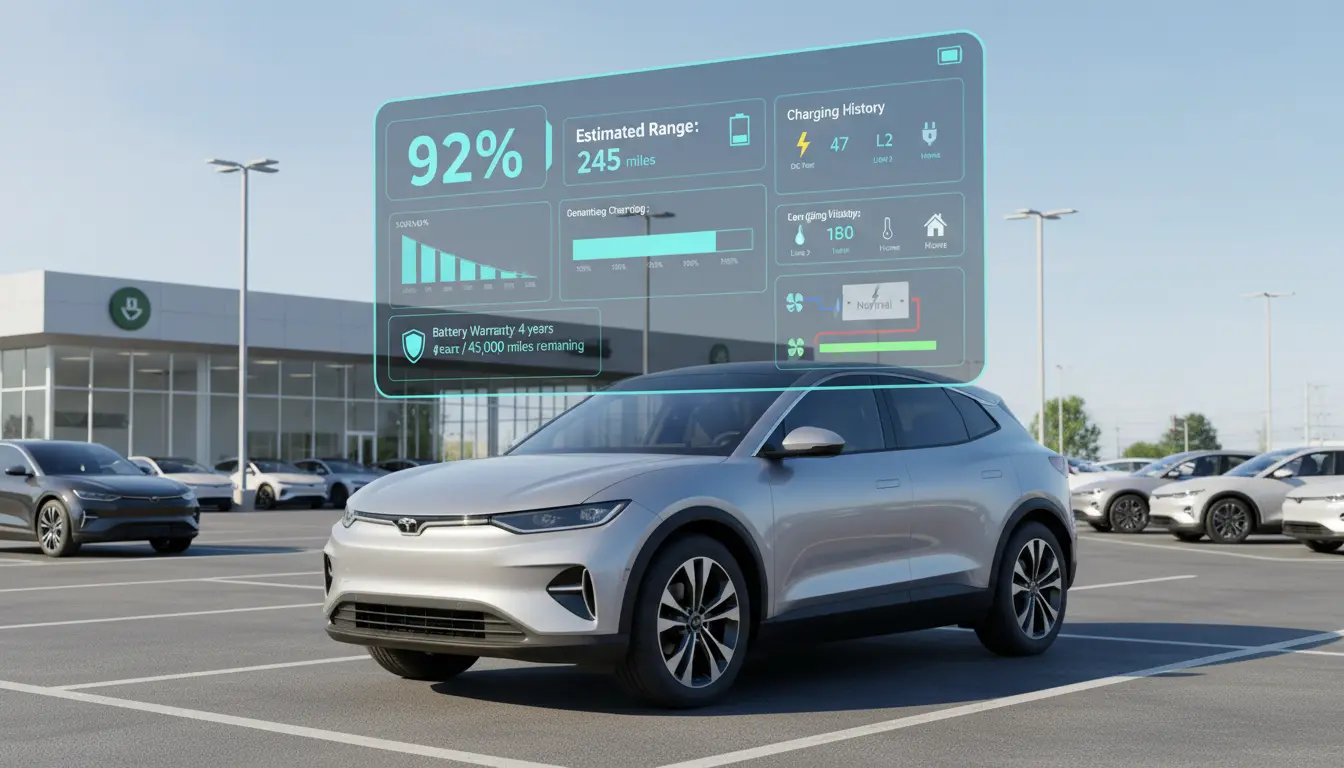
For decades, American car buyers relied on the odometer as the primary indicator of a vehicle’s remaining life. In the EV era, this metric is losing its throne. A Tesla Model 3 with 80,000 miles might have a healthier battery than a Nissan Leaf with 30,000 miles, depending on charging habits and climate exposure. Buyers now demand a “State of Health” (SoH) percentage. This figure represents the current battery capacity compared to its original factory condition.
Active buyers are looking for reports that translate technical data into “remaining range.” They want to know if a car advertised with a 250-mile range can still deliver 230 miles on a full charge. Without this clarity, the “range anxiety” that plagues new EV buyers turns into “degradation anxiety” for used car shoppers.

Why Third-Party Certification is Non-Negotiable
Trust is the currency of the used car market. While many EVs display a basic battery bar on the dashboard, savvy buyers often view these manufacturer-provided metrics with skepticism. They are increasingly looking for independent, third-party battery diagnostic reports from companies like Recurrent, Altelium, or Cox Automotive.
These independent reports aggregate data from thousands of similar vehicles to provide a “Battery Score.” Buyers look for these certifications because they offer an unbiased look at how a specific VIN performs against the national average. A third-party report that confirms a battery is “Above Average” for its age can justify a price premium of several thousand dollars in the US market.
The Impact of Fast Charging History
One specific detail that modern EV buyers scrutinize is the charging behavior of the previous owner. Frequent use of DC Fast Charging (Level 3) can accelerate lithium-ion degradation due to heat stress. Buyers are now asking for reports that break down the percentage of Level 1, Level 2, and DC Fast Charging sessions.
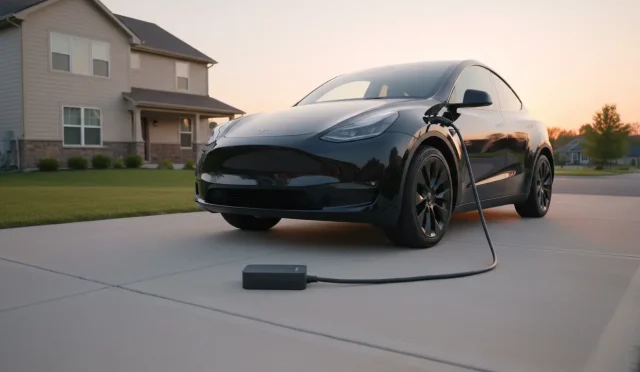
A vehicle that spent its life plugged into a standard home garage outlet (Level 2) is significantly more attractive than a former rideshare vehicle that relied exclusively on Superchargers. Buyers want to see a “Charging Profile” within the health report to ensure the battery hasn’t been “cooked” by excessive rapid charging.
Climate Exposure and Thermal Management
The US geography plays a massive role in battery longevity. Buyers in hot climates like Arizona or Florida are particularly wary of battery health. They look for reports that include “Thermal History.” Since extreme heat is the enemy of battery chemistry, buyers want to know if the vehicle’s thermal management system has successfully kept the cells within optimal temperature ranges.
Conversely, buyers in cold states like Minnesota look for “Winter Range Retention” data. They want to see how the battery health translates to performance when the mercury drops, as cold weather can temporarily reduce range and affect long-term lithium plating.
Warranty Transparency and Remaining Coverage
The federal mandate in the US requires EV batteries to be warranted for at least 8 years or 80,000 miles. However, the fine print varies by manufacturer. Buyers are looking for reports that explicitly state the “Warranty Status.” Does the warranty transfer to the second owner? What is the capacity threshold for a warranty claim (usually 70%)?
A health report that shows a battery at 72% SoH is a red flag for some, but a “golden ticket” for others who realize they might be eligible for a free factory replacement soon. Clarity on these legal and technical boundaries is a top priority for the modern American shopper.
The Role of Software Updates and BMS Calibration
Electric vehicles are computers on wheels. Sometimes, a perceived drop in range is simply a calibration issue with the Battery Management System (BMS). Buyers are now looking for “Software Version” logs in their health reports. They want to ensure the vehicle has received the latest Over-the-Air (OTA) updates that optimize battery chemistry usage and safety protocols. A report that confirms the BMS is fully calibrated provides peace of mind that the displayed range is accurate and not a “guess-o-meter” error.
Resale Value and the “Green Title”
As the market matures, the presence of a comprehensive battery health report is becoming a prerequisite for a “Green Title” or “Certified Pre-Owned” (CPO) status. Dealerships that provide these reports upfront see faster inventory turnover. Buyers are willing to walk away from a “good deal” if the seller cannot provide documented proof of battery vitality. The report has essentially become the “Carfax for the Battery.”
Future-Proofing: Bidirectional Charging Capability
A niche but growing segment of buyers is looking for “V2L” (Vehicle-to-Load) or “V2H” (Vehicle-to-Home) readiness in battery reports. As Americans look to EVs as backup power sources for their homes during grid outages, the health of the battery’s discharge capacity becomes vital. Buyers want to know if the used EV they are purchasing can still handle the high-current demands of powering a household without triggering safety shut-offs.
Conclusion: The Data-Driven Transaction
The US used EV market is no longer a guessing game. The transition from mechanical inspection to digital diagnostics is complete. Buyers are looking for transparency, independent verification, and a clear link between battery health and real-world utility. Sellers who provide detailed, easy-to-understand battery health reports will dominate the market, while those who hide behind “as-is” stickers will find their inventory sitting idle.
Amazon Product Recommendation
For EV owners looking to monitor their own vehicle’s health and provide data to future buyers, the OBDLink MX+ Bluetooth OBD2 Scanner is an essential tool. It works seamlessly with third-party apps like “LeafSpy” or “ABRP” to pull real-time battery cell voltages, SoH data, and temperature logs directly from the vehicle’s computer.