
Economics of Ultra‑Fast Charging Stations on U.S. Interstate Highways
The rapid expansion of electric vehicles (EVs) across the United States has brought urgent attention to the infrastructure required to support long‑distance travel. At the center of this transformation are ultra‑fast charging stations (DC fast chargers) positioned along interstate highways. These stations deliver high‑power charging at speeds that significantly reduce downtime for EV drivers. As consumer adoption grows and federal incentives flow into the market, understanding the economics behind ultra‑fast charging networks becomes essential for investors, policymakers, and charging‑network operators.
The Rising Demand for High‑Power Charging on Interstates
EV adoption in the U.S. continues to rise, driven by improved affordability, longer‑range batteries, and ambitious federal goals. Long‑distance interstate travel requires reliable, high‑speed charging access, making ultra‑fast chargers a critical infrastructure component. According to recent market trends, drivers expect to recharge their vehicle in under 20 minutes—comparable to a short break during road trips. This demand shift has created new investment opportunities for companies seeking to deploy ultra‑fast chargers capable of delivering 150 kW to 350 kW or more.
Key Cost Components of Ultra‑Fast Charging Stations
Deploying ultra‑fast charging along U.S. highways involves significant capital and operational costs. Understanding the cost structure is essential for evaluating long‑term profitability.
1. Hardware and Installation Costs
Ultra‑fast chargers require specialized components and energy‑intensive architecture. Costs include:
- High‑power DC fast chargers
- Grid upgrades and transformer installations
- Cooling systems for high‑amperage charging
- Trenching, wiring, and site preparation
On average, a single 150 kW charger can cost between $100,000 and $200,000, while a 350 kW charger can exceed $300,000 when installation and grid upgrades are included.
2. Utility Demand Charges
One of the largest ongoing expenses for operators is utility demand charges, which apply when high levels of electricity are drawn simultaneously. Since ultra‑fast chargers require substantial bursts of power, peak load fees can drastically increase monthly operating costs. Demand‑charge mitigation strategies—such as adding on‑site battery storage or smart‑charging load management—are becoming essential tools for profitability.
3. Land Leasing and Site Acquisition
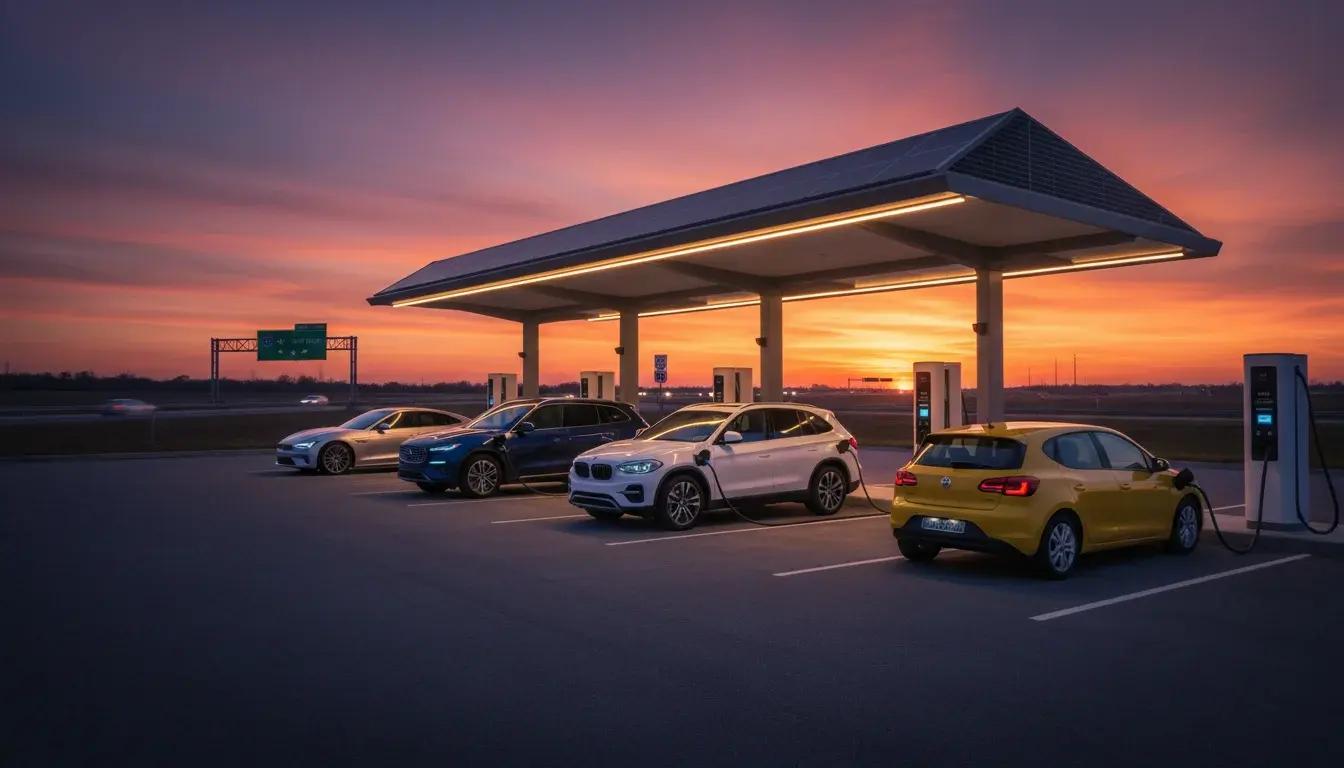
Most interstate charging stations are located at:
- Travel plazas
- Convenience stores
- Gas stations
- Retail parking lots
Land‑use agreements, easements, and leases vary widely and can influence overall station economics. In high‑traffic corridors, landowners often negotiate revenue‑sharing contracts, increasing costs for operators.
4. Maintenance and Software
Ultra‑fast chargers require more frequent maintenance than Level 2 chargers due to:
- High energy throughput
- Complex electronics
- Cooling and power modules
Reliable uptime is critical; stations with poor reliability quickly lose customer trust and revenue.
Revenue Streams for Charging‑Station Operators
Despite high upfront costs, interstate ultra‑fast charging stations can generate substantial revenue if properly located and managed.
1. Charging Fees
Operators charge EV users based on:
- Price per kWh
- Flat session fees
- Time‑based rates (in some states)
- Idle fees for overstays
Pricing fluctuates by region and utility cost but typically ranges from $0.25 to $0.60 per kWh for fast charging.
2. Retail and Partner Revenue
Businesses positioned near charging stations—restaurants, convenience stores, and service centers—benefit from increased foot traffic. Operators sometimes receive:
- Co‑marketing fees
- Retail‑partnership revenue
- Cross‑promotion incentives
This symbiotic relationship boosts revenue for both charging networks and partner businesses.
3. Federal and State Incentives
Government support significantly shapes the economics of fast‑charging infrastructure. Programs like the National Electric Vehicle Infrastructure (NEVI) Program offer:
- Grants
- Cost‑sharing
- Tax credits
These incentives reduce capital expenditure and accelerate return on investment.
Choosing the Right Interstate Locations
Not all interstate exits offer equal profitability. The ideal location balances:
- High traffic volume
- Proximity to long‑distance travel corridors
- Grid capacity availability
- Access to amenities like restrooms and food options
Successful operators use predictive modeling to estimate:
- Charging‑session frequency
- Local EV adoption rates
- Traffic density patterns
Well‑chosen sites help reduce idle infrastructure and maintain steady utilization rates.
Grid Challenges and Energy Management
One of the biggest barriers to deploying ultra‑fast charging on interstates is the grid’s capacity to deliver high‑power output. Peak demand spikes strain utilities and increase operational costs. To address this, many operators implement:
- Battery energy storage
- Solar canopies
- Smart‑load balancing systems
- Off‑peak charging incentives
These strategies lower costs and reduce the strain on local grid infrastructure.
Future Trends Shaping Ultra‑Fast Charging Economics
The economics of U.S. interstate fast‑charging stations will continue to evolve as technology advances.
1. Higher‑Efficiency Chargers
Next‑generation chargers promise:
- Lower cooling costs
- Higher efficiency
- Better reliability
Newer 400 kW+ chargers may shorten charging times even further, increasing turnover and revenue.
2. Vehicle‑to‑Grid (V2G) Capabilities
Future EVs may offer bidirectional charging, allowing vehicles to return power to the grid. While still emerging, this could create new revenue streams in energy arbitrage markets.
3. Autonomous EV Travel
As autonomous vehicles gain adoption, demand for automated, ultra‑fast charging stations will rise—especially on interstate freight and logistics routes.
4. Renewable Integration
On‑site solar, smart inverters, and advanced storage can significantly offset energy costs, improving station economics and supporting sustainability goals.
Conclusion: A High‑Growth Market With Long‑Term Potential
Ultra‑fast charging stations on U.S. interstate highways represent a rapidly expanding opportunity in the EV ecosystem. While installations are capital‑intensive and require operational sophistication, revenue potential remains strong as EV adoption accelerates nationwide. With strategic site selection, effective energy‑management solutions, and utilization of federal incentives, operators can build profitable and sustainable charging networks.
To support long‑distance travelers and promote nationwide electrification, the U.S. must continue expanding ultra‑fast charging infrastructure. Businesses that invest early—while optimizing costs and leveraging technology—will be positioned as leaders in the emerging clean‑transportation economy.
Amazon Product Recommendation:
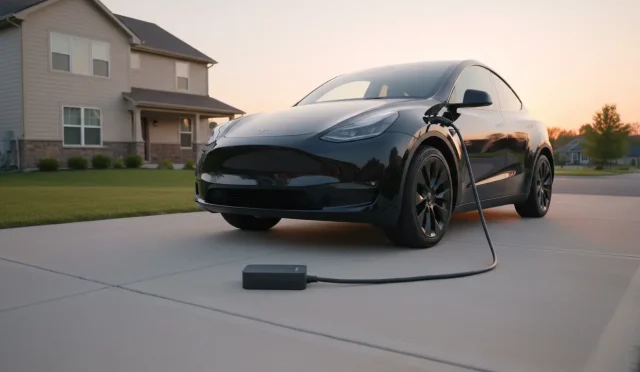
For EV owners seeking faster and safer home charging, consider the Emporia Level 2 EV Charger available on Amazon. It’s known for smart‑charging features, easy installation, and compatibility with all major EV brands.