
The Role of Rural Cooperative Services in Supporting Electric Vehicles Across America
The transition to electric vehicles (EVs) is transforming the American transportation landscape. While major cities often dominate headlines about EV adoption, rural communities play an equally important role in shaping the nation’s clean energy future. Rural cooperative services—particularly electric cooperatives—stand at the forefront of this transformation. These member-owned utilities provide reliable power to millions of Americans and now actively support EV infrastructure development, renewable energy integration, and sustainable mobility initiatives across the United States.
In this article, we explore how rural cooperatives support electric vehicles nationwide, strengthen local economies, and accelerate the clean transportation transition.
Understanding Rural Electric Cooperatives
Rural electric cooperatives emerged in the 1930s through the Rural Electrification Act. At that time, investor-owned utilities avoided sparsely populated regions due to high infrastructure costs and limited profitability. In response, communities formed electric cooperatives to bring power to farms, small towns, and remote areas.
Today, more than 900 electric cooperatives serve approximately 42 million Americans across 48 states. These nonprofit, member-owned utilities operate under a unique business model: members are also owners. This structure allows cooperatives to prioritize long-term community benefits over short-term profits.
As transportation electrification gains momentum, rural cooperatives leverage their local presence, technical expertise, and commitment to sustainability to support EV charging infrastructure and clean energy adoption.
Why Electric Vehicles Matter for Rural America
Electric vehicles offer significant advantages for rural drivers. Many rural residents travel longer daily distances compared to urban populations. Fuel costs can quickly accumulate, especially in agricultural regions. EVs provide lower operating costs, reduced maintenance expenses, and greater energy independence.
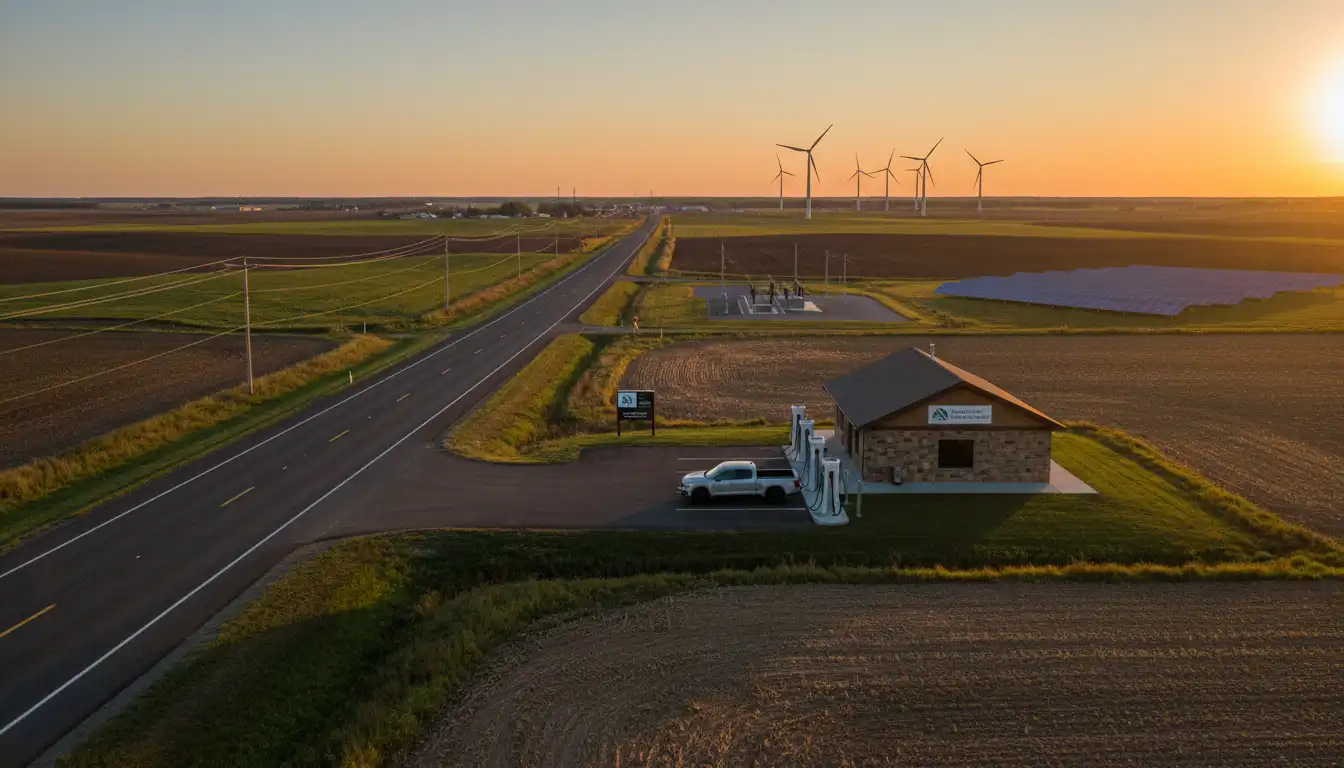
Additionally, rural America plays a key role in renewable energy production. Wind farms, solar arrays, and bioenergy facilities often operate in rural counties. Integrating EV charging with renewable energy generation creates a powerful synergy that supports grid modernization and environmental sustainability.
Rural cooperatives recognize these opportunities and actively develop programs to support EV adoption in their communities.
Building EV Charging Infrastructure in Rural Areas
One of the biggest challenges in rural electrification of transportation is access to EV charging stations. Unlike urban centers, rural areas face geographic dispersion and lower population density. However, electric cooperatives have stepped up to close this gap.
Many cooperatives now install public Level 2 chargers and DC fast chargers in strategic locations such as:
- Community centers
- Grocery stores
- Agricultural supply stores
- Highway corridors
- Cooperative offices
By expanding charging infrastructure along rural highways and interstates, cooperatives help eliminate range anxiety and encourage long-distance EV travel.
Some cooperatives partner with federal programs such as the National Electric Vehicle Infrastructure (NEVI) Formula Program. These partnerships provide funding to deploy fast-charging stations in underserved regions. As a result, rural EV drivers gain reliable access to charging networks that were previously concentrated in metropolitan areas.
Smart Grid Investments and Grid Modernization
Supporting electric vehicles requires modern, resilient electrical infrastructure. Rural cooperatives invest heavily in smart grid technologies to manage increased electricity demand from EV charging.
Advanced metering infrastructure (AMI), demand response programs, and time-of-use rates allow cooperatives to balance energy loads efficiently. When members charge their EVs during off-peak hours, the grid experiences less strain, and electricity costs remain stable.
Cooperatives also implement distributed energy resources (DERs) such as rooftop solar, battery storage, and microgrids. These systems enhance grid resilience and improve energy reliability during extreme weather events—an increasingly important factor in climate adaptation.
By integrating EV charging with smart energy management systems, rural electric cooperatives create a more flexible and sustainable power network.
Offering Incentives and Member Education Programs
Education plays a vital role in accelerating EV adoption in rural communities. Many residents still hold misconceptions about electric vehicle performance, charging time, and cost-effectiveness. Rural cooperatives address these concerns through proactive outreach and member engagement.
Common initiatives include:
- EV ride-and-drive events
- Educational workshops
- Online cost comparison calculators
- Rebate programs for home EV chargers
- Incentives for installing Level 2 charging equipment
Time-of-use electricity pricing encourages members to charge vehicles overnight when demand is low. This approach reduces operational costs and supports grid stability.
Because cooperatives operate as community-focused organizations, they build trust through transparent communication. Members often rely on their cooperative for reliable information about renewable energy, electric mobility, and sustainability trends.
Supporting Agricultural Electrification
Electric vehicles extend beyond passenger cars. Rural cooperatives also support agricultural electrification initiatives. Electric tractors, utility vehicles, and farm equipment reduce fuel dependency and lower operating costs for farmers.
In many regions, cooperatives pilot programs that explore electric fleet vehicles for school buses, municipal services, and agricultural operations. Electric school buses, for example, reduce diesel emissions and improve air quality for students.
Fleet electrification strengthens local economies by lowering transportation expenses and keeping energy spending within the community.
Economic Development and Job Creation
Electric vehicle adoption stimulates rural economic development. Installing charging infrastructure creates jobs in electrical contracting, construction, and maintenance. Renewable energy projects linked to EV expansion generate additional employment opportunities.
When rural communities attract EV travelers, local businesses benefit from increased foot traffic. Restaurants, retail stores, and tourism destinations gain new customers who stop to charge their vehicles.
Furthermore, cooperative-led infrastructure projects often reinvest profits back into the community. This model supports long-term economic sustainability rather than shareholder dividends.
Renewable Energy Integration and Sustainability Goals
Rural electric cooperatives increasingly commit to carbon reduction goals. Many have invested in solar farms, wind power generation, and battery storage systems. Pairing EV charging with renewable energy reduces greenhouse gas emissions and strengthens environmental sustainability efforts.
Some cooperatives offer green energy programs that allow members to offset their vehicle charging with renewable power credits. This integration accelerates decarbonization in both the energy and transportation sectors.
As the United States advances toward nationwide electrification, rural cooperatives serve as key drivers of clean transportation policy implementation.
Overcoming Challenges in Rural EV Expansion
Despite progress, challenges remain. Rural areas often face:
- Limited broadband connectivity
- Higher infrastructure costs per mile
- Geographic dispersion
- Lower EV adoption rates compared to cities
However, cooperative collaboration mitigates these barriers. Regional partnerships allow multiple cooperatives to share best practices and coordinate charging corridor development.
Federal and state funding opportunities continue to support infrastructure investment. As battery technology improves and EV prices decline, adoption rates are expected to rise steadily in rural markets.
The Future of Rural Cooperatives and Electric Mobility
The future of electric vehicles in rural America looks promising. Rural cooperatives actively embrace innovation, sustainability, and grid modernization. Their member-driven structure empowers them to adapt quickly to evolving energy demands.
As more Americans choose electric vehicles, rural cooperatives will expand charging infrastructure, enhance grid resilience, and integrate renewable energy solutions. Their role extends beyond electricity distribution—they serve as community leaders shaping the clean energy transition.
By supporting EV infrastructure, renewable integration, and member education, rural cooperative services strengthen America’s energy independence and environmental future.
Recommended Product for EV Owners
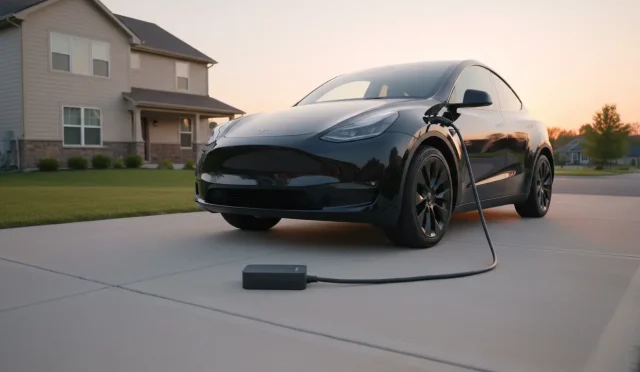
For rural EV drivers who want a reliable home charging solution, consider the ChargePoint Home Flex Level 2 EV Charger available on Amazon.com. It offers flexible amperage settings, WiFi connectivity, and compatibility with most electric vehicles, making it ideal for rural homeowners seeking convenient overnight charging.