
The Ultimate Guide to the Best Home EV Chargers for California Homeowners
California leads the nation in the transition toward sustainable energy, with more electric vehicles on the road than any other state. For Golden State residents, owning an EV is a statement of environmental responsibility and economic savvy. However, the convenience of driving an electric car depends heavily on your home charging setup. Choosing the right Level 2 charger ensures that your vehicle stays ready for the daily commute while taking advantage of local incentives and utility rates.
Understanding the California EV Landscape
Living in California offers unique advantages for EV owners. From the mild climate that preserves battery health to the extensive network of public charging stations, the infrastructure is unmatched. Yet, most charging happens at home. To maximize efficiency, homeowners must look beyond basic hardware and consider how a charger integrates with the California power grid. With fluctuating electricity prices and time-of-use (TOU) rates, a smart charger becomes an essential tool for cost management.
Why Level 2 Charging is Non-Negotiable
While every EV comes with a standard Level 1 cord that plugs into a typical 120V outlet, it is painfully slow, often adding only 3 to 5 miles of range per hour. For a state as vast as California, where long commutes are common, a Level 2 charger is a necessity. These units operate on a 240V circuit—the same used by heavy appliances like dryers—and can fully charge most vehicles overnight. This speed provides the peace of mind that you will always start your day with a full battery.


Key Features to Look For
When shopping for a home charging station, several factors should influence your decision. First, consider the amperage. A 40-amp or 48-amp charger offers a future-proof solution as battery capacities grow. Second, cable length is vital; a 25-foot cable ensures flexibility regardless of how you park in your garage or driveway. Finally, smart connectivity via Wi-Fi allows you to monitor energy usage and schedule charging sessions during off-peak hours when electricity is cheapest.
Top-Rated EV Chargers for 2026
Several models stand out for their reliability and performance in the California market. The ChargePoint Home Flex remains a top contender due to its adjustable amperage and sleek design. Another excellent choice is the Wallbox Pulsar Plus, which is compact enough for tight spaces and features “Power Sharing” capabilities if you own two electric vehicles. For those seeking rugged durability, the Grizzl-E Classic offers a no-frills, heavy-duty build that withstands extreme temperatures, making it ideal for both the Central Valley heat and Sierra Nevada winters.
Navigating Incentives and Rebates
California homeowners can significantly offset the cost of purchasing and installing a home charger. Programs like the Clean Vehicle Rebate Project (CVRP) and local utility incentives from providers like PG&E, SCE, or LADWP often provide hundreds of dollars in credits. Additionally, federal tax credits may apply to the installation costs. Always check with your local utility provider before purchasing, as some rebates require specific “smart” models that allow the utility to manage load during peak demand.
Installation and Safety Requirements
Installing a Level 2 charger is not a DIY project for most. It requires a dedicated 240V circuit and, in many cases, a permit from your local municipality. Hiring a certified electrician ensures that your home’s electrical panel can handle the additional load. In California, strict building codes ensure that installations are fire-safe and efficient. If your electrical panel is outdated, you might need an upgrade, which can also be eligible for certain green energy tax incentives.
Maximizing Efficiency with Solar Integration
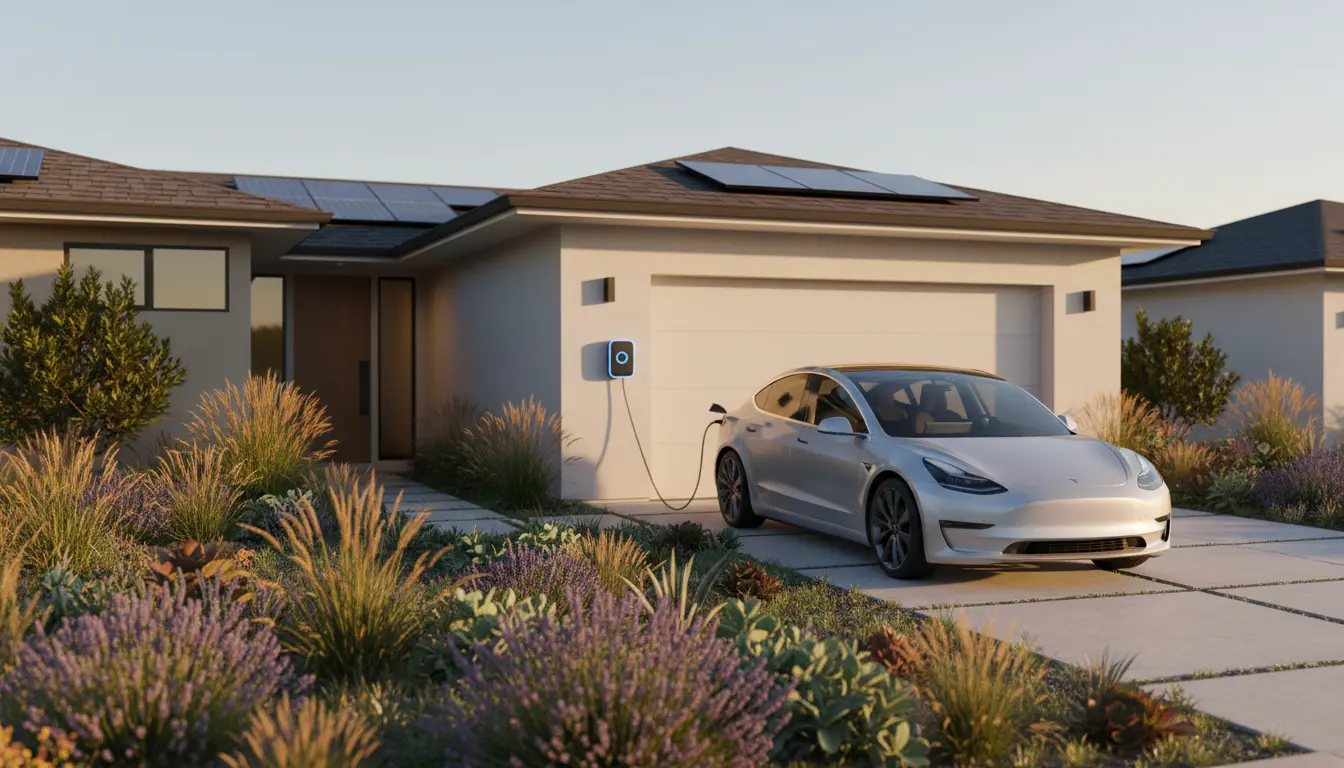
Many California residents have already invested in rooftop solar panels. Integrating your EV charger with a solar storage system creates a truly closed-loop, carbon-neutral transportation system. Some modern chargers can be programmed to only use excess solar energy to charge your car, effectively allowing you to “drive on sunshine.” This synergy between solar power and electric mobility is the gold standard for sustainable living in the 21st century.
The Future of Home Charging
As technology evolves, we are seeing the rise of bidirectional charging. This allows your EV to act as a backup battery for your home during power outages—a feature increasingly relevant given California’s wildfire-related public safety power shutoffs. While still in the early stages of adoption, choosing a forward-thinking brand today prepares you for the vehicle-to-home (V2H) revolution of tomorrow.
Conclusion
Investing in a high-quality home EV charger is the final step in mastering the electric vehicle lifestyle. By selecting a unit that offers speed, smart features, and compatibility with California’s unique energy ecosystem, you ensure long-term savings and convenience. Whether you prioritize high-tech apps or rugged simplicity, the right charger will keep you moving through the beautiful landscapes of California without a hint of range anxiety.
Amazon Product Recommendation
ChargePoint Home Flex Electric Vehicle (EV) Charger — A top pick for California homeowners thanks to its adjustable amperage, smart scheduling features for time-of-use rates, and strong reliability for daily home charging.