
Multilingual Interfaces in Wearable Devices: The Future of Inclusive Technology
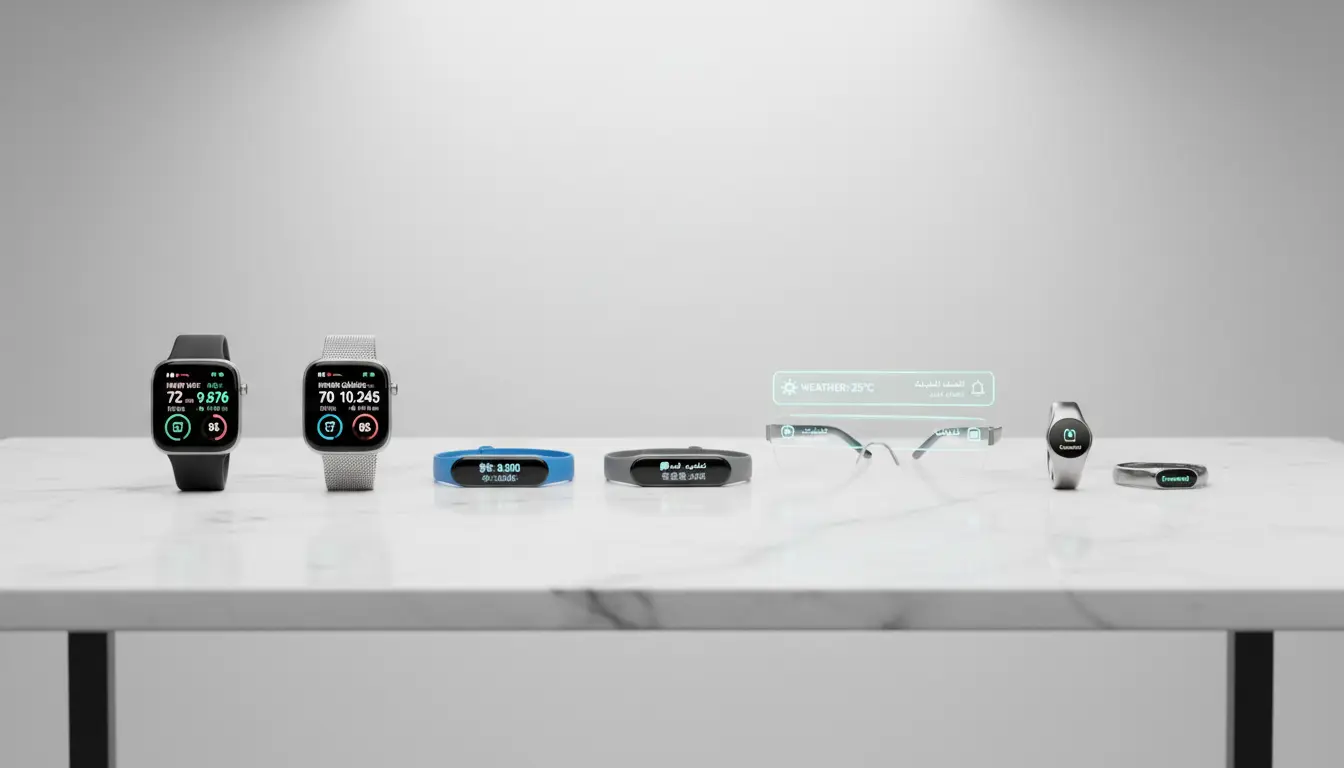
Wearable devices are no longer just about tracking steps or displaying notifications. As global connectivity increases, multilingual interfaces in wearable devices have become a vital feature for brands that want to reach international audiences and provide inclusive user experiences. From smartwatches and fitness trackers to AR glasses and smart rings, users now expect their devices to “speak their language” — literally and figuratively.
In this article, we will explore why multilingual user interfaces matter, how they improve user experience, the role they play in accessibility and personalization, and what brands should consider when designing multilingual wearable ecosystems.
Why Multilingual Interfaces Matter in Wearable Technology
Modern users interact with technology throughout the day, and wearables often serve as the first point of contact for quick information. If the interface only supports a single language, it immediately limits accessibility and usability for non-native speakers.
Multilingual interfaces offer several strategic advantages:
- Global Market Reach
Wearable brands can sell in multiple regions without redesigning core products. Supporting several languages in the interface allows for quicker market expansion and higher adoption rates. - Higher User Satisfaction
When people can navigate menus, alerts, and settings in their native language, they feel more confident and in control. This reduces frustration and increases long‑term usage and brand loyalty. - Regulatory and Localization Needs
Some markets require localized content and language support due to regulations or consumer protection standards. A multilingual interface helps brands stay compliant and build local trust.
Key Components of a Multilingual Wearable Interface
A multilingual user interface on a wearable is more than just translating text. It involves a holistic design approach:
1. Language Selection and Switching
A good multilingual system allows users to:
- Choose their preferred language during onboarding.
- Change language settings easily from the device or companion app.
- Sync language preferences across devices, such as from a smartphone to a smartwatch.
This seamless experience creates consistency and reduces friction.
2. Localized Content and Units
A truly localized interface goes beyond words:
- Date and time formats (e.g., 12‑hour vs 24‑hour clock)
- Units of measurement (kilometers vs miles, Celsius vs Fahrenheit)
- Currency symbols in payment or subscription notifications
- Culturally relevant icons or color choices when appropriate
These details signal respect for the user’s culture and everyday habits.
3. Voice Assistants and Speech Recognition
Many wearables include voice control or smart assistants. Multilingual support here is critical:
- Speech recognition must understand multiple accents and dialects.
- Text‑to‑speech output should sound natural in each language.
- Commands, shortcuts, and responses need to match localized interface terms.
When voice and interface languages align, the wearable feels intuitive instead of confusing.
Benefits of Multilingual Wearable Interfaces for Users
1. Better Accessibility and Inclusivity
Multilingual interfaces lower barriers for:
- Users who are not fluent in the device’s default language
- Older adults who may feel overwhelmed by unfamiliar terms
- Migrants, travelers, and international professionals using devices abroad
Wearables become more inclusive tools instead of elitist gadgets.
2. Enhanced Health and Fitness Engagement
Health data can be complex. Metrics like heart rate variability, sleep stages, or VO₂ max are easier to understand in one’s native language. When users clearly grasp their stats and recommendations, they are more likely to:
- Act on health insights
- Follow training plans
- Adhere to sleep or activity goals
As a result, multilingual support can directly influence long‑term well‑being and engagement.
3. Safer and More Confident Use
In urgent situations such as abnormal heart rate alerts, fall detection warnings, or medication reminders, clear language is essential. Misunderstanding a notification due to language limitations can have serious consequences. Multilingual interfaces contribute to safer and more reliable experiences.
Technical and UX Challenges in Multilingual Wearables
Building multilingual interfaces for small screens is not trivial. Brands must solve several challenges to keep the experience clean and intuitive.
1. Limited Screen Real Estate
Wearables usually have small displays. Longer words in some languages (like German or Finnish) can overflow or break layouts. Designers need:
- Responsive UI components that adapt to text length
- Abbreviations that remain understandable
- Icon‑based navigation combined with localized labels
2. Performance and Storage Constraints
Supporting multiple languages means storing additional text resources, fonts, and sometimes voice packs. On compact devices, this impacts:
- Storage usage
- Battery life
- Update size
To handle this, many manufacturers load only the languages relevant to a specific region or activate additional languages through software updates.
3. Consistency Across Ecosystems
Wearables rarely operate alone. They’re connected to:
- Smartphones
- Tablets
- Laptops
- Cloud dashboards
Maintaining consistent language settings and translations across this ecosystem is crucial. When the phone shows one language and the wearable uses another, the experience becomes fragmented and confusing.
Design Best Practices for Multilingual Wearable Interfaces
Brands that want to create organic, user‑centric multilingual experiences should keep these best practices in mind:
1. Start With Internationalization (i18n)
Don’t treat language support as an afterthought. From the first design and development stages:
- Separate text resources from code.
- Use frameworks that support Unicode and right‑to‑left (RTL) scripts.
- Plan for expansion to new languages without redesigning the entire interface.
2. Use Professional Localization (L10n)
Automatic translation alone is not enough for a high‑quality user experience. For accurate and natural language:
- Work with professional translators familiar with tech and health terminology.
- Review translations with native speakers.
- Test with real users to catch awkward phrasing or ambiguous labels.
3. Test With Real‑World Contexts
On‑device testing is crucial:
- Try different wrist angles, lighting conditions, and motion.
- Check how long strings scroll or truncate.
- Ensure critical alerts remain visible and legible in all languages.
Gathering real user feedback across multiple regions helps refine both wording and design.
The Role of AI in Multilingual Wearable Interfaces
AI and machine learning play an expanding role in multilingual support:
- Smart language detection can guess a user’s preferred language based on phone settings, location, or previous behavior.
- On‑device translation can enable quick interpretation of notifications or third‑party content in the user’s language.
- Personalized recommendations can adapt not just language, but also tone, regional expressions, and cultural context.
As AI models grow more powerful and efficient, multilingual wearables will feel increasingly natural, human, and context‑aware.
Future Trends: From Translation to Cultural Personalization
The next generation of multilingual wearables will move beyond simple translation:
- Contextual health coaching delivered in culturally sensitive ways
- Localized app stores within wearable ecosystems, featuring region‑specific apps and watch faces
- Cross‑device continuity, where a user can start an interaction in one language on their phone and continue it effortlessly on their watch or AR glasses
Brands that invest today in high‑quality multilingual interfaces will be better positioned to build lasting, trust‑based relationships with users worldwide.
Conclusion: Multilingual Wearables as a Competitive Advantage
Multilingual interfaces in wearable devices are no longer optional. They are a strategic necessity for any brand aiming for global relevance and inclusive design. By combining strong localization, thoughtful UX, and AI‑driven personalization, companies can create wearables that feel truly native to users in every market.
When users can understand every alert, setting, and insight in their own language, they don’t just use the device—they integrate it into their daily lives. This level of comfort and trust is exactly what drives engagement, retention, and long‑term brand loyalty in the rapidly evolving wearable technology space.