
Screen Protector Types Explained: Nano‑Liquid vs Tempered Glass vs PET
Smartphones have become an essential part of daily life, which makes screen protection more important than ever. A cracked or scratched display not only affects usability but also reduces resale value. Choosing the right screen protector can prevent these issues, but many users struggle to understand the differences between nano‑liquid screen protectors, tempered glass protectors, and PET screen films. This article explains each type in detail, compares their strengths and weaknesses, and helps you choose the best option for your needs.
Why Screen Protectors Matter More Than Ever
Modern smartphone screens are made with advanced glass technologies, yet they remain vulnerable to drops, scratches, and everyday wear. Even premium devices benefit from an extra protective layer. Screen protectors act as a sacrificial surface, absorbing damage so the original display stays intact. However, not all protectors offer the same level of protection or user experience.
What Is a Nano‑Liquid Screen Protector?
Nano‑liquid screen protectors use liquid glass technology that bonds chemically with the screen surface. After application, the liquid forms an invisible coating that hardens and adds a thin protective layer.
Key Features of Nano‑Liquid Protectors
- Ultra‑thin and nearly invisible
- Maintains original touch sensitivity
- Compatible with curved and edge‑to‑edge screens
- No bubbles or alignment issues
Advantages
Nano‑liquid protectors provide a smooth, fingerprint‑resistant surface and preserve the original display clarity. Users who dislike the feel of traditional protectors often prefer this option. Installation is simple and does not require precise placement.
Disadvantages
Despite marketing claims, nano‑liquid coatings offer limited impact protection. They mainly protect against micro‑scratches rather than drops. Durability also decreases over time, requiring reapplication.
What Is a Tempered Glass Screen Protector?
Tempered glass protectors are made from heat‑treated glass designed to absorb impact. They are currently the most popular choice among smartphone users.
Key Features of Tempered Glass Protectors
- High hardness rating (often 9H)
- Strong impact and scratch resistance
- Oleophobic coating for fingerprint reduction
- Clear and responsive surface
Advantages
Tempered glass offers the best screen protection against drops and cracks. When impacted, it shatters instead of the phone’s display. Many users appreciate the glass‑like feel, which closely mimics the original screen.
Disadvantages
These protectors are thicker than other options and may slightly reduce touch sensitivity on lower‑quality models. They can also crack and require replacement after a hard impact.
What Is a PET Screen Protector?
PET (Polyethylene Terephthalate) screen protectors are thin plastic films that cover the display. They were among the first screen protection solutions on the market.
Key Features of PET Screen Protectors
- Extremely thin and lightweight
- Affordable screen protection option
- Protects against scratches and dust
- Easy to replace
Advantages
PET protectors are budget‑friendly and maintain a slim profile. They work well for users who want basic scratch protection without added thickness.
Disadvantages
PET films offer minimal impact resistance and scratch more easily than tempered glass. They may also show wear, fingerprints, and air bubbles over time.
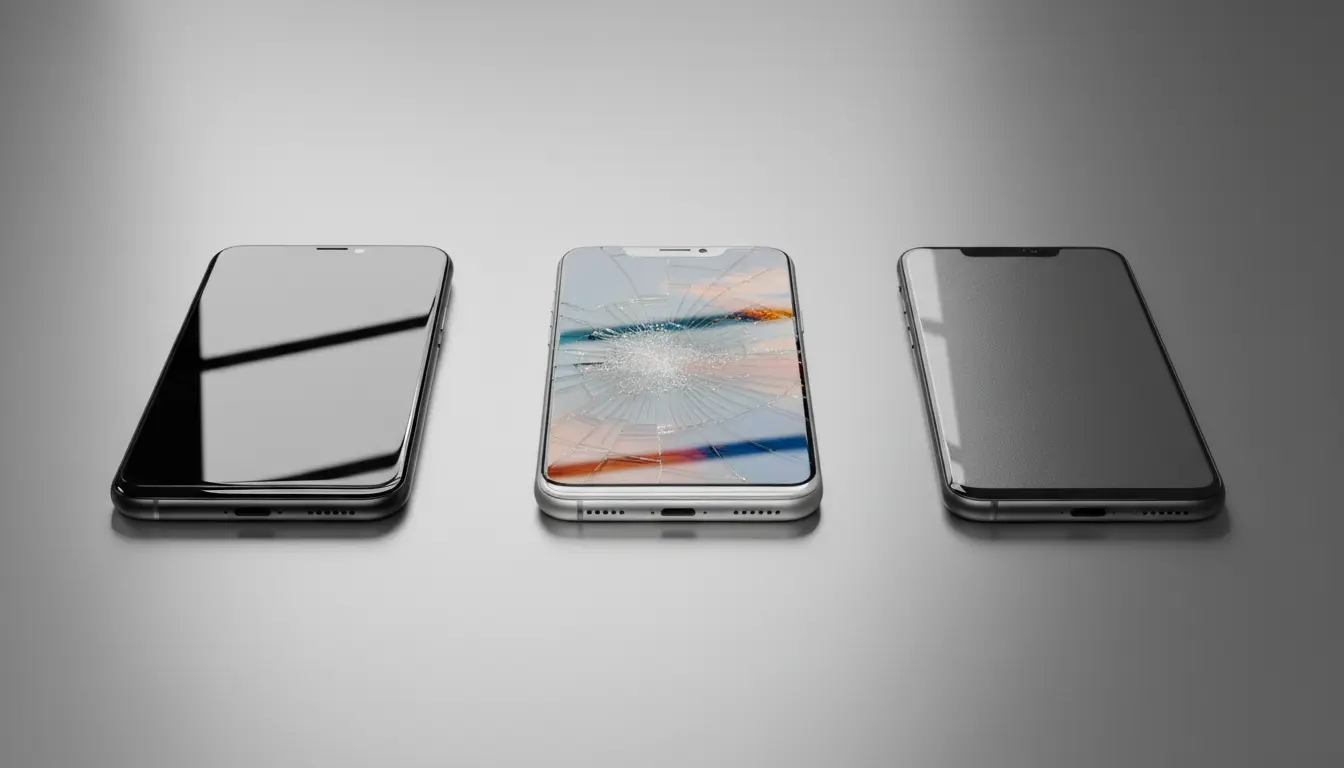
Nano‑Liquid vs Tempered Glass vs PET: Direct Comparison
Protection Level
- Tempered glass provides the highest level of drop and crack protection.
- Nano‑liquid offers moderate scratch resistance.
- PET film only protects against light scratches.
Touch Sensitivity and Clarity
Nano‑liquid protectors preserve original touch sensitivity and clarity best. Tempered glass performs very well, while PET films may slightly reduce screen responsiveness.
Durability
Tempered glass lasts the longest under normal use. Nano‑liquid coatings wear off gradually, and PET films need frequent replacement.
Installation Experience
Nano‑liquid protectors offer the easiest installation. Tempered glass requires careful alignment, while PET films are prone to bubbles.
Which Screen Protector Should You Choose?
Choose Nano‑Liquid If:
- You want an invisible screen protector
- You use a curved display
- You prioritize touch sensitivity over impact protection
Choose Tempered Glass If:
- You want maximum screen protection
- You frequently drop your phone
- You prefer a glass‑like feel
Choose PET If:
- You want a low‑cost solution
- You only need scratch protection
- You replace protectors frequently
Common Myths About Screen Protectors
Many users believe nano‑liquid protectors make screens “unbreakable.” In reality, no screen protector guarantees complete protection. Tempered glass also does not make phones indestructible, but it significantly reduces damage risk.
How Screen Protectors Affect Resale Value
A well‑protected screen improves resale value. Devices with scratch‑free displays sell faster and at higher prices. Investing in a quality screen protector pays off long‑term.
Environmental Impact and Sustainability
PET films contribute more plastic waste due to frequent replacement. Tempered glass lasts longer but requires energy‑intensive manufacturing. Nano‑liquid coatings generate less physical waste but require chemical production.
Final Thoughts on Screen Protector Types
Choosing the right screen protector depends on your lifestyle and priorities. Tempered glass remains the best overall option for protection, while nano‑liquid suits minimalists. PET films still have a place for budget‑conscious users.
Recommended Amazon Product
amFilm Tempered Glass Screen Protector (2 Pack)
Available on Amazon.com, this product offers excellent clarity, strong impact resistance, and easy installation. It is highly rated and compatible with many smartphone models, making it a reliable choice for everyday protection.