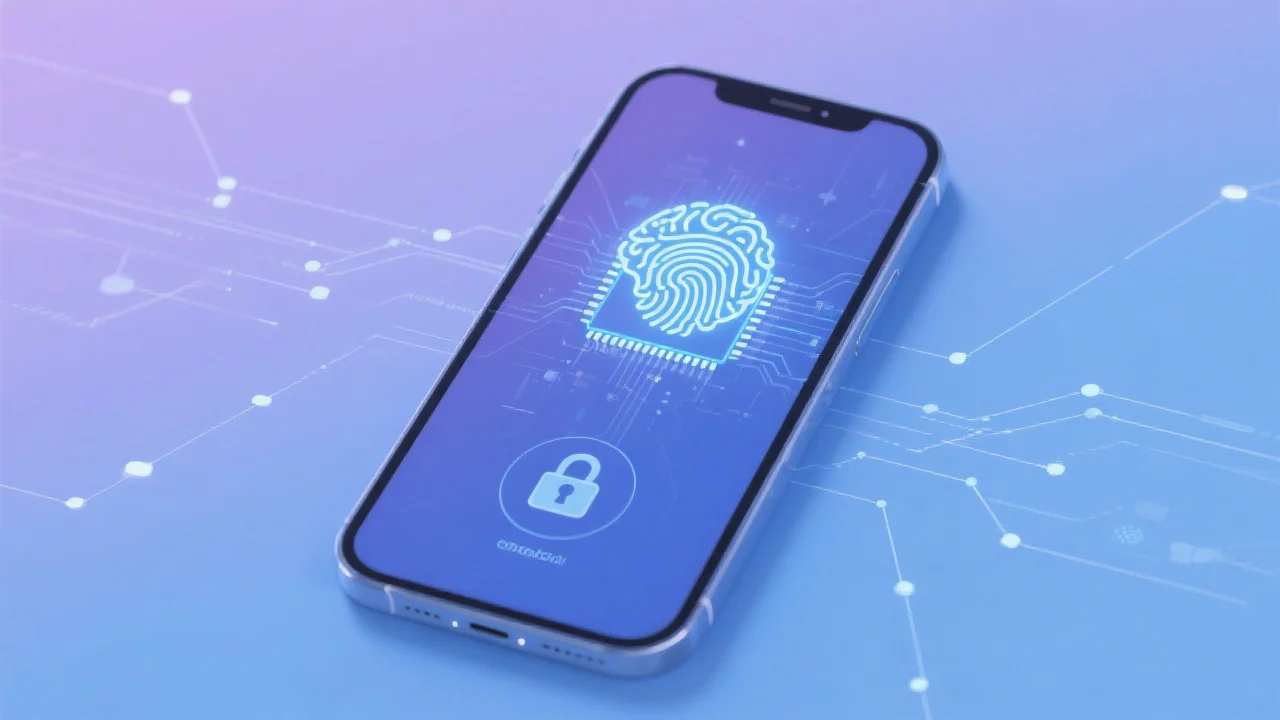

The Future in Your Pocket: On-Device AI and Passwordless Security in 2025
Introduction: The Digital Revolution in Your Pocket
Technology is evolving at a breathtaking pace, and our smartphones are at the very heart of this transformation. In recent years, two major trends have started to reshape our digital lives: the rise of on-device artificial intelligence (AI) and the move towards passwordless security. These innovations promise not only smarter and more personalized experiences but also a new level of privacy and protection. So, what do these changes mean for everyday users? Let’s explore how on-device AI and passkeys are set to redefine digital life in 2025 and beyond.
Part 1: On-Device AI – The Rise of Small Language Models (SLMs)
When we think of AI, we often imagine massive language models like ChatGPT or Gemini, running on powerful cloud servers. However, a new wave of “Small Language Models” (SLMs) is making it possible to bring AI directly onto our smartphones and other personal devices.
What Are Small Language Models and Why Do They Matter?
SLMs are compact versions of large language models, designed to run efficiently on devices with limited processing power and memory—like smartphones, tablets, and even wearables. This shift is more than just a technical upgrade; it’s a game-changer for privacy, speed, and user experience.



Why is on-device AI important?
- Privacy and Security: With on-device AI, your data never leaves your phone. Sensitive information—messages, photos, location—remains private, reducing the risk of data breaches.
- Speed and Low Latency: Processing happens instantly on your device, without waiting for cloud servers to respond. This is crucial for real-time applications.
- Offline Functionality: You can use AI features even without an internet connection—on a plane, in the subway, or anywhere else.
- Cost Efficiency: On-device AI eliminates the need for expensive cloud-based services, making advanced features more accessible.
- Personalization: Your device can learn your habits and preferences, offering a truly tailored experience.
Apple and Google Lead the Way
Tech giants like Apple and Google are investing heavily in on-device AI. Apple’s “Apple Intelligence” (introduced with iOS 18) and Google’s “Gemini Nano” are prime examples.
- Apple Intelligence: Apple is integrating AI features directly into iPhones, iPads, and Macs, focusing on privacy. Features like smart writing suggestions, email summarization, image generation, and a smarter Siri all run on-device.
- Gemini Nano: Google’s most efficient AI model powers features like voice memo summarization, smart replies, and on-device image processing on Pixel and other Android devices.
Real-World Applications: What Can On-Device AI Do?
Thanks to SLMs, your smartphone will soon be able to:
- Summarize Notes and Articles: Instantly condense long texts or meeting notes, highlighting key points.
- Advanced Photo and Video Editing: Recognize objects, remove unwanted elements, and apply effects—all without uploading your media to the cloud.
- Personalized Assistants: Siri and Google Assistant will understand your context better, helping you organize your schedule, plan trips, and more.
- Real-Time Translation: Translate languages instantly, even offline.
- Smart Messaging: Suggest context-aware replies and simplify complex messages.
Visual Suggestion: An illustration of a smartphone with a glowing microchip or brain, symbolizing AI working inside the device. Alternatively, a collage showing different AI features (summarization, photo editing, translation) on a phone screen.
Part 2: Passwordless Security – How Passkeys Are Changing the Game
Passwords have long been the weak link in digital security. We’ve all struggled with forgotten passwords, weak combinations, and the constant threat of phishing attacks. Enter passkeys—a revolutionary approach to authentication that promises both simplicity and security.
The Problem with Passwords and the Birth of Passkeys
Passwords are inherently flawed:
- Weak Choices: People often choose easy-to-guess passwords.
- Reuse Across Sites: Many use the same password for multiple accounts, increasing risk.
- Phishing Attacks: Hackers trick users into revealing passwords via fake websites or emails.
- Data Breaches: Stolen passwords from company databases put millions at risk.
Passkeys, developed by the FIDO Alliance, replace traditional passwords with cryptographic key pairs, offering a safer and more user-friendly way to log in.
How Do Passkeys Work?
When you create a passkey for a website or app, your device generates two keys:
- Private Key: Stored securely on your device and never leaves it.
- Public Key: Sent to the service provider and linked to your account.
To log in, the service sends a challenge to your device. Your device signs it with the private key, and the service verifies it with the public key. You simply authenticate using Face ID, fingerprint, or a PIN—no password required.
Why Are Passkeys More Secure?
- Phishing-Resistant: Passkeys are tied to specific websites or apps, making phishing attacks nearly impossible.
- Safe from Data Breaches: Only the public key is stored on servers, so even if a breach occurs, your private key (and account) remains safe.
- Unique and Strong: Each account gets a unique key pair, eliminating the risks of password reuse.
- User-Friendly: No more remembering or typing passwords—just a quick biometric scan or PIN.
Widespread Adoption and the Future
Apple, Google, and Microsoft are all rolling out passkey support across their platforms. Major services like Google, WhatsApp, PayPal, and eBay now offer passkey login options. By the end of 2025, passwordless authentication is expected to become the norm for most digital services.
Visual Suggestion: An image showing a lock combined with a fingerprint or face icon, highlighting both security and convenience. Alternatively, a phone screen displaying a “Sign in with Passkey” option.
Part 3: The 2025 Digital Experience – Smarter, Safer, Simpler
The convergence of on-device AI and passwordless security is set to transform how we interact with technology. Here’s what the near future holds:
A Smarter, More Secure Ecosystem
Your smartphone will become a true digital assistant, capable of:
- Smart Travel Planning: Notifying you of flight delays, suggesting alternative routes, and updating hotel bookings automatically.
- Personal Health Coaching: Using sensors and AI to create personalized fitness and nutrition plans, and even detect potential health issues early.
- Financial Management: Analyzing spending habits, optimizing budgets, and suggesting investment opportunities.
All these features will be protected by passkeys, ensuring that your data and identity remain secure.
Seamless User Experience
At the core of these innovations is a focus on making technology invisible and intuitive:
- Frictionless Interactions: Switching between apps, searching for information, or completing tasks will be smoother than ever, thanks to AI.
- Personalized Workflows: Your phone will prioritize what matters most to you, reducing digital clutter.
- Enhanced Accessibility: AI will make technology more accessible for everyone, with features like speech recognition and visual descriptions.
Conclusion: Welcome to the Smarter, Safer Digital Future
As we move into 2025, our smartphones are evolving from simple communication tools into intelligent assistants and secure digital identity hubs. On-device AI brings privacy, speed, and personalization, while passkeys offer unmatched security and ease of use. Together, these trends promise a digital life that’s not only more efficient and enjoyable but also safer than ever before.
The future is in your pocket—are you ready for it?