
Is a Quality Podcast Possible with a Phone Microphone? The Complete Accessories Guide
In today’s creator-driven landscape, starting a podcast has never been easier. With just a smartphone and a few essential accessories, you can record high-quality audio anywhere. But can you really make a professional-sounding podcast with a phone microphone? The short answer is yes — with the right setup, planning, and tools. Let’s explore how to turn your mobile device into a fully functional podcasting studio.
1. The Power of Modern Smartphone Microphones
Smartphones have evolved tremendously over the past decade. Most modern devices, such as the iPhone 15 or Samsung Galaxy S24, deliver incredibly clear built-in microphones. However, while these may be suitable for quick recordings or interviews, they often pick up background noise and lack depth compared to dedicated podcast microphones.
Still, if you understand the limitations and techniques behind mobile audio capture, your smartphone can be a surprisingly capable device for producing sharp and dynamic sound.
2. Recording Environment Matters More Than You Think
Even the best mic can sound poor if your room acoustics are bad. Hard surfaces cause echo and reverb, while background noise can ruin any great recording. To improve the sound instantly:
- Record in small spaces with soft surfaces (closets, carpeted rooms, or near curtains).
- Avoid areas with air conditioners, fans, or street noise.
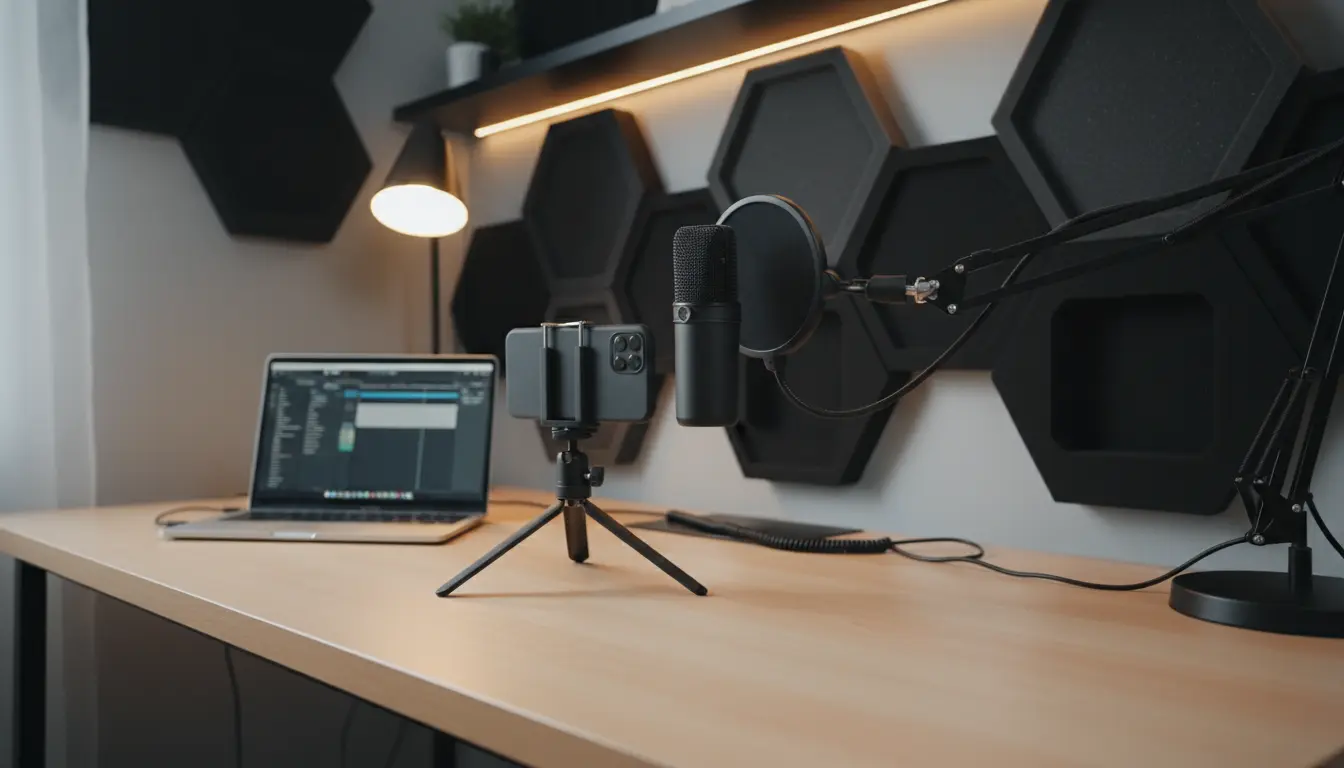
- Use simple soundproofing materials like foam panels or thick blankets.
These basics can elevate your sound dramatically, even if you’re just using a phone microphone.
3. External Microphones for Smartphones
To achieve a professional podcast sound, an external microphone is one of the best investments you can make. There are several great options depending on your phone’s compatibility:
- Lavalier microphones (clip-on mics): Compact and affordable — great for solo podcasters.
- Shotgun microphones: Directional microphones that reduce background noise and capture clear voice tone.
- USB or Lightning microphones: Plug-and-play mics designed specifically for smartphones, offering studio-like sound.
Brands like Rode, Shure, and Blue have created compact condenser mics made for iPhones and Android devices that can easily deliver broadcast-level sound.
4. Audio Interfaces and Adapters
If you want to use a traditional XLR microphone, you’ll need an audio interface or adapter. Devices like the iRig Pre or Shure MVi allow you to connect professional microphones directly to your phone. They convert analog signals into digital audio while giving you control over gain and monitoring.
Having an interface not only enhances sound quality but also allows you to monitor your audio in real-time, preventing unwanted noise and distortion.
5. Mobile Recording and Editing Apps
Gone are the days when you needed a full computer setup to edit podcasts. Mobile apps now make it possible to record, edit, and publish your episodes from your phone. Some of the most popular apps include:
- Anchor (Spotify for Podcasters): Record, add background music, and distribute your podcast across platforms easily.
- GarageBand (iOS): Offers professional editing tools and audio filters.
- Ferrite Recording Studio: Great for advanced editors who want multitrack options on mobile.
Editing on the go allows you to maintain consistency and release episodes faster — a key factor in audience growth.
6. Essential Accessories for Mobile Podcasting
Here are a few must-have accessories that can instantly boost your audio quality:
- Pop Filter or Windscreen: Prevents harsh plosive sounds (like “p” and “b”).
- Tripod or Grip: Keeps your phone stable during recording.
- Headphones: Always monitor your sound to ensure you’re recording clean audio.
- Portable Power Bank: Long recording sessions can drain your battery faster than expected.
- Lighting Kit (for video podcasts): If you’re recording video along with audio, proper lighting improves the overall quality.
These small investments go a long way toward making your podcast feel professional and consistent.
7. Background Noise Reduction Techniques
If you’re recording in a noisy environment, there are several techniques to improve your sound:
- Enable noise-canceling features in your recording app.
- Position your microphone close to your mouth (about 6–8 inches).
- Use directional microphones to isolate your voice.
- Apply post-production filters like EQ and compression in apps such as Audacity or Hindenburg Journalist.
Reducing noise isn’t just about equipment — it’s about understanding how sound behaves in your space.
8. How to Maintain Consistency in Quality
A great podcast isn’t just about one good episode; consistency matters. Always check:
- Microphone placement before each recording.
- Room environment and temperature (as these affect recording electronics).
- Storage space and battery level before long sessions.
It also helps to create a recording checklist so you don’t miss crucial steps before going live.
9. Publishing from Your Phone
Once your episode is ready, distribution is the final step. Smartphone-friendly platforms like Buzzsprout, Podbean, and Spotify for Podcasters allow seamless uploading directly from your device. Adding metadata — title, episode description, and cover art — helps with discoverability on podcast directories.
Make sure to write clear episode descriptions with SEO-friendly keywords related to your podcast topic to maximize organic reach.
10. Final Thoughts: The Possibility of High-Quality Mobile Podcasting
So, can you make a quality podcast using only a smartphone microphone? Absolutely — as long as you focus on the fundamentals: clean sound, good acoustics, proper accessories, and strong content.
With the right combination of mobile-friendly gear and smart techniques, your phone can become a surprisingly powerful recording studio right in your pocket. Many successful podcasters started this way — and what truly matters is consistency, storytelling, and connection with your audience.
Remember, it’s not about having the most expensive equipment — it’s about making the most of what you have.