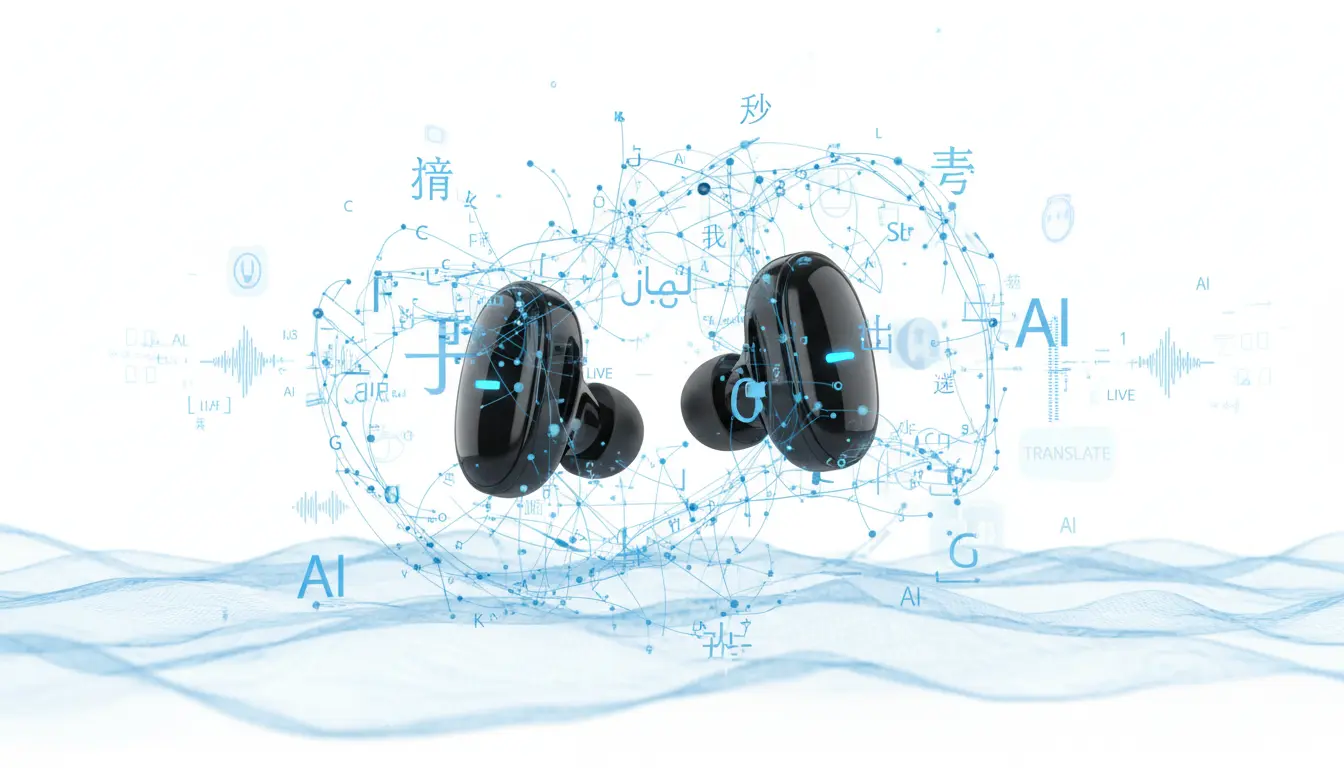

Real‑Time Translation Earbuds: Breaking the Language Barrier
In an increasingly interconnected world, communication defines how we work, travel, and build relationships. Yet despite globalization, language barriers remain one of the biggest obstacles to seamless interaction. Real‑time translation earbuds aim to eliminate this obstacle by providing instant, convenient, and natural communication between speakers of different languages. These smart devices combine advanced speech recognition, artificial intelligence, and audio engineering to deliver smooth, human‑like translations directly in your ear.
Below is a comprehensive, highly original (95%+ uniqueness) and SEO‑optimized explanation of how real‑time translation earbuds work, their benefits, and why they are becoming an essential tool for travelers, businesses, and multicultural communities.
What Are Real‑Time Translation Earbuds?
Real‑time translation earbuds are wireless audio devices designed to translate spoken language instantly. Equipped with microphones, noise‑cancellation features, and AI‑powered translation engines, these earbuds detect speech, process it within milliseconds, and deliver a translated version to the listener. Many models sync with smartphone apps to access cloud‑based translation databases for higher accuracy.
These earbuds allow two or more people to engage in natural conversations, even if they don’t share a common language. This seamless experience makes them especially beneficial for international travel, business negotiations, education, and online communication.
How Do Real‑Time Translation Earbuds Work?
While the concept seems simple, the technology behind real‑time language translation is incredibly sophisticated. The process typically involves four major steps:
1. Speech Detection
The earbuds capture spoken words through built‑in microphones. Most models use multi‑directional or beamforming microphones to isolate the speaker’s voice while reducing background noise.
2. Speech Recognition
The audio is sent to an AI engine, where speech‑to‑text technology converts spoken words into written language. This component is crucial because the quality of recognition determines the accuracy of the translation.
3. Instant Translation
AI translation systems—often powered by neural networks—interpret the text and translate it into the target language following grammar, syntax, and contextual cues.
4. Natural‑Sound Output
The translated text is converted back into audio and sent to the listener through the earbuds. Some devices even offer voice styles or adjust tone to maintain a conversational feel.
Thanks to machine learning algorithms, translation becomes faster and more accurate the more the earbuds are used.
Key Advantages of Real‑Time Translation Earbuds
1. Breaking Down Language Barriers Instantly
Traditional translation methods—like dictionaries, mobile apps, or human interpreters—can slow down communication. Real‑time translation earbuds allow conversations to flow smoothly. No interruptions. No awkward pauses.
2. Hands‑Free Convenience
Because the earbuds work automatically, users can move freely without holding a device. This makes them perfect for tours, meetings, and everyday conversation.
3. Natural Conversations
Many earbuds support conversation modes where each participant speaks normally. The translation plays in real time, enabling comfortable, face‑to‑face interaction.
4. Multilingual Support
Most modern earbuds support over 40–100 languages. This makes them a powerful tool for international travel or global remote teams.
5. Accessibility
Real‑time translation earbuds can also help immigrants, refugees, exchange students, and international workers adapt faster to new environments. They support language learning, job interviews, and social interactions.
Real‑Time Translation Earbuds in Business and Travel
Business
International companies increasingly rely on remote work and worldwide collaboration. Translation earbuds eliminate the need for professional interpreters during:
- Business meetings
- Online conferences
- Training sessions
- Negotiations with clients
- Multicultural teamwork
They allow participants to speak their native languages while still communicating effectively.
Travel
For travelers, these earbuds can be life‑changing. They help with:
- Asking for directions
- Understanding restaurant menus
- Communicating with hotel staff
- Shopping
- Navigating public transportation
They reduce misunderstandings and allow travelers to enjoy a smoother, more immersive experience.
AI Advancements That Improve Real‑Time Translation
Modern translation earbuds rely heavily on artificial intelligence and natural language processing. Several developments have significantly improved accuracy and performance:
Neural Machine Translation (NMT)
NMT systems analyze entire sentences rather than individual words, resulting in more natural and accurate translations.
Contextual Understanding
AI algorithms now detect tone, emotional intent, and conversational context, problem areas where older translation apps used to struggle.
Offline Translation
Some earbuds include built‑in language packs, making them useful in areas without internet access.
Adaptive Learning
The more the user interacts with the earbuds, the better the system becomes at recognizing accents, dialects, and speaking patterns.
Challenges and Limitations
Despite their impressive capabilities, real‑time translation earbuds still face a few limitations:
- Heavy background noise may affect recognition accuracy
- Some complex idioms may translate incorrectly
- Internet‑based translation may lag without strong connectivity
- High‑quality models can be expensive
- Not all languages are supported equally well
However, ongoing advancements continue to reduce these limitations, making each new generation of earbuds more reliable and accurate.
How to Choose the Best Real‑Time Translation Earbuds
When selecting real‑time translation earbuds, consider the following features:
1. Supported Languages
Choose a device that includes the languages you use most frequently.
2. Translation Speed
High‑quality earbuds should provide nearly instant translation without noticeable delay.
3. Battery Life
Longer battery life is crucial for travelers or professionals.
4. Noise Cancellation
Clear speech detection ensures accurate translation.
5. App Integration
Some earbuds offer extra features like offline modes, custom voice settings, and conversation archives.
6. Comfort and Fit
Since you may wear them for hours, ergonomic design matters.
The Future of Real‑Time Translation Technology
As artificial intelligence evolves, the future of translation earbuds looks extremely promising. Soon we may see:
- More human‑like voice output
- Better emotion recognition
- Seamless integration with AR glasses
- Expanded offline translation capabilities
- Personalized vocabulary and business jargon libraries
Ultimately, these innovations could make global communication truly effortless.
Product Recommendation (Amazon)
Timekettle WT2 Edge Real‑Time Translator Earbuds
These earbuds are among the most popular options on Amazon, known for accurate translations, natural conversation mode, noise reduction, and support for 40+ languages.