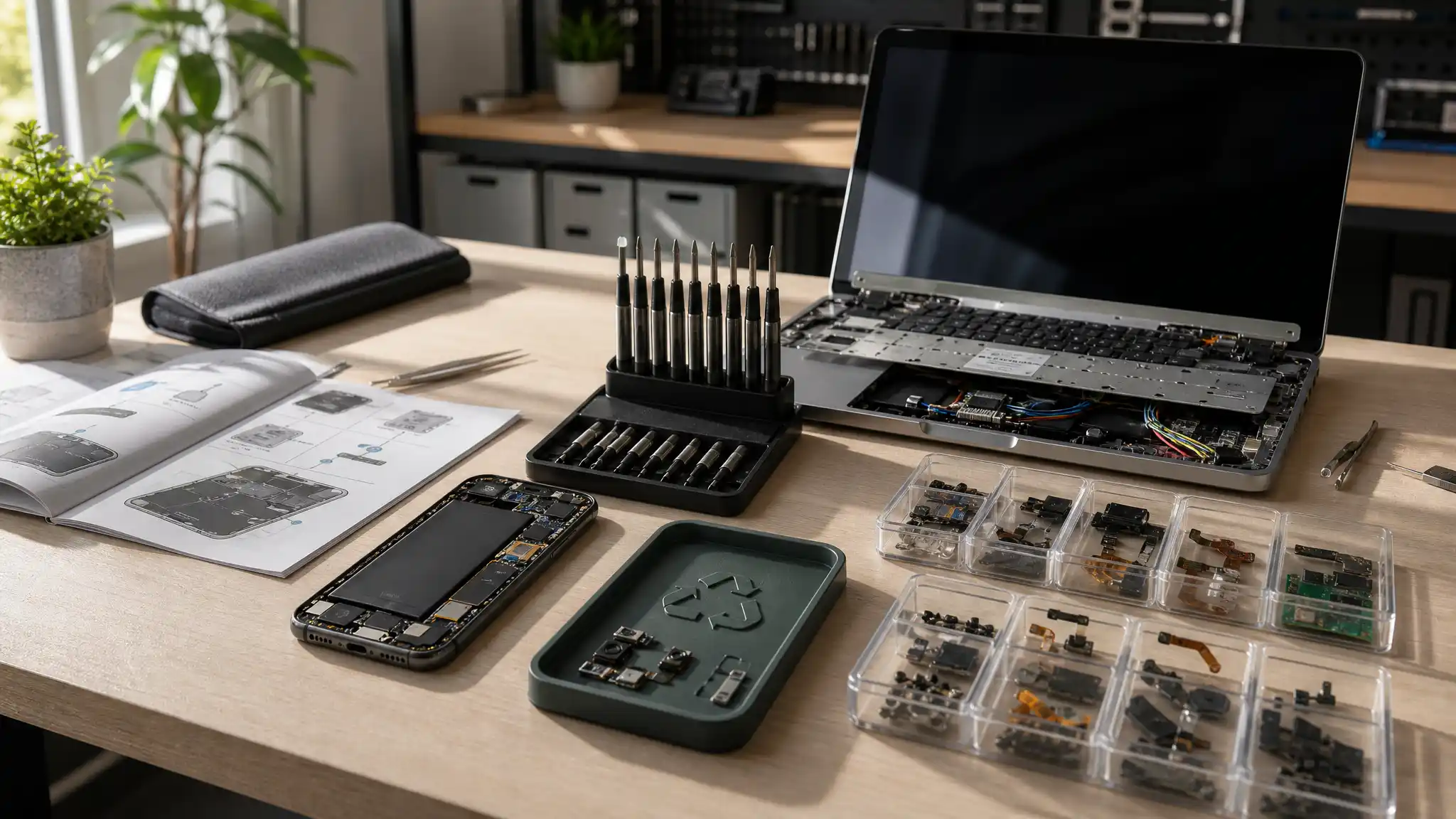

Right to Repair Movement Gains Traction in the US: Tech Giants Adapt
The right to repair movement has become one of the most influential consumer technology trends in the United States. For years, people who owned smartphones, laptops, gaming consoles, appliances, and other electronics faced expensive repairs, limited spare-part availability, and restrictions on independent repair shops. Today, consumers, lawmakers, repair advocates, and businesses are changing that reality.
Right to repair gives customers more freedom to maintain, diagnose, and fix the products they purchase. It also encourages manufacturers to provide repair manuals, replacement components, software tools, and transparent diagnostic information. As this movement gains momentum across the US, major technology companies are adapting their policies, product designs, and support programs.
The issue is no longer limited to hobbyists who enjoy opening devices. It affects families trying to avoid the cost of replacing a cracked phone, small businesses that rely on working equipment, schools managing limited technology budgets, and communities seeking to reduce electronic waste. The demand for consumer repair rights is growing because people increasingly expect ownership to include the ability to repair what they buy.



Why the Right to Repair Movement Matters
Modern technology has become essential to daily life. People use smartphones for banking, education, work, healthcare access, navigation, and communication. When a device breaks, users often need a fast and affordable solution. However, many customers discover that official repair services cost almost as much as buying a new product.
Historically, some manufacturers limited access to replacement parts, repair software, calibration tools, and technical documentation. They argued that these restrictions protected users from unsafe repairs, security problems, or poor-quality components. Critics responded that consumers should have practical options beyond expensive manufacturer-controlled repair channels.
The right to repair movement challenges the idea that ownership ends after purchase. If customers pay for a device, they expect to make reasonable decisions about maintenance and repair. They may choose an authorized service center, an independent repair shop, or a do-it-yourself repair solution. This flexibility can lower costs, extend device lifespan, and reduce unnecessary replacement purchases.
Repair access also promotes competition. When only one company controls repairs, customers may have fewer choices and higher costs. Independent technicians often provide quicker service and local support, especially in areas without official stores or authorized repair centers. Expanding repairability helps create a more balanced marketplace.
US Laws Push Companies to Change
State-level action has played a major role in moving the conversation forward. Several US states have introduced or adopted right to repair laws that address consumer electronics, appliances, agricultural equipment, and other products. These laws generally aim to improve access to parts, tools, manuals, and repair information for customers and independent repair providers.
Legislation sends a clear message to technology brands: consumers care about repair freedom. Even when a law applies only within one state, large companies may adjust broader policies rather than maintain different repair systems across the country. This effect can improve repair access for people far beyond the states that first pass these rules.
Lawmakers often frame the issue around affordability, competition, sustainability, and consumer choice. A customer should not need to replace an otherwise functional device because a battery, charging port, screen, or button failed. Better access to affordable repairs can support households dealing with rising costs and reduce the pressure to constantly purchase new technology.
At the same time, legislation encourages companies to think more carefully about device longevity. Products designed for easier maintenance may remain useful for years longer than products that require complicated proprietary repairs. This shift can benefit consumers and manufacturers that build trust through durable, serviceable products.
Tech Giants Respond to Consumer Demand
Large technology companies have begun to recognize that repair access affects brand reputation. Customers increasingly compare devices not only by camera quality, processor speed, or display size, but also by how easily they can replace a battery or repair a damaged screen.
Some companies now offer self-service repair programs that provide genuine parts, manuals, and specialized tools to qualified customers. These initiatives allow users to complete certain repairs themselves while following official instructions. They also signal an important change: manufacturers are acknowledging that independent repair and DIY repair have a place in the broader support ecosystem.
Other companies have improved their partnerships with independent repair providers. These programs may offer access to original components, training resources, diagnostic systems, and official documentation. Although participation requirements can vary, the expansion of these programs gives consumers more local repair choices.
Companies are also responding through design changes. Easier-to-remove batteries, more accessible screws, modular components, and clearer repair guides can improve the overall repair experience. A product does not need to become fully modular to improve; even small design decisions can make repairs less expensive and less time-consuming.
Still, critics argue that some company programs remain too limited. They may cover only selected products, require costly equipment, restrict certain repairs, or depend on complicated software procedures. The right to repair movement continues to push companies toward simpler, more practical solutions.
Repairability Supports Sustainability
The environmental case for right to repair is powerful. Electronic waste, commonly called e-waste reduction, has become a major global concern. Phones, tablets, computers, smartwatches, and household electronics often contain valuable materials, including metals, plastics, glass, and rare minerals. When users discard devices too soon, those materials may enter waste streams instead of remaining in use.
Repairing a device can extend its productive life and delay the need for manufacturing a replacement. This matters because producing new electronics requires energy, raw materials, transportation, packaging, and industrial processes. A simple battery or screen repair may prevent a device from becoming waste long before its core technology becomes obsolete.
The circular economy offers a useful way to understand this benefit. Instead of following a “buy, use, discard” model, a circular approach keeps products and materials in use for as long as possible. Repair, refurbishment, resale, and responsible recycling all help reduce waste and improve resource efficiency.
Consumers are becoming more aware of sustainability, but they also need practical options. Most people will repair a device only if the process is affordable, understandable, and convenient. That is why accessible repair manuals, fair pricing, and reliable spare parts matter so much.
Independent Repair Shops Gain New Opportunities
Local repair businesses stand to benefit from stronger repair rights. Independent technicians often serve customers who need quick, personal, and cost-effective repairs. They can diagnose issues, replace damaged components, and help users recover important data without requiring a long wait for manufacturer service.
The growth of independent repair shops can also support local economies. These businesses create jobs, train technicians, and keep money circulating in communities. In rural or underserved areas, an independent shop may be the only convenient repair option available.
However, repair professionals need more than physical components. They also require accurate troubleshooting information, access to diagnostic tools, and the ability to obtain compatible software support. Without these resources, a technician may replace a part successfully but still face a device that needs manufacturer-controlled calibration or activation.
This is where transparent repair manuals and fair access to diagnostic resources become essential. Consumers deserve repairs that work properly, and technicians deserve the information required to perform those repairs safely and effectively.
Consumers Should Consider Repair Before Replacing
Consumers can play an active role in supporting repair-friendly technology. Before buying a new phone, laptop, or appliance, shoppers can research repair options. They can ask whether the battery is replaceable, whether replacement parts are available, and whether independent technicians can service the product.
A repairable device may cost slightly more upfront, but it can save money over time. A product that allows affordable battery replacement or screen repair may last several additional years. This long-term value often matters more than a short-term discount on a device that becomes difficult to maintain.
People can also protect their electronics through cases, screen protectors, software updates, careful charging habits, and regular cleaning. Preventive maintenance does not eliminate every problem, but it can reduce avoidable damage and improve performance.
When repair is necessary, consumers should compare official service, qualified independent repair providers, and self-repair options. The best choice depends on the product, warranty status, technical skill level, repair cost, and availability of genuine parts.
The Future of Right to Repair in America
The right to repair movement is likely to continue shaping the technology market. Consumers want more control, lawmakers want more competition, and sustainability advocates want fewer products sent to landfills. These priorities create lasting pressure on companies to improve their repair policies.
Tech giants will need to balance safety, security, intellectual property, and customer experience with the growing demand for electronics repair access. The companies that make repair straightforward may earn stronger customer loyalty. They can show that they value product ownership beyond the initial sale.
The future may include more repair-friendly product design, expanded parts availability, clearer repair guidance, better support for independent technicians, and stronger legal protections for consumers. While challenges remain, the direction is clear: repair is becoming an important part of how Americans evaluate technology.
The right to repair movement does not ask consumers to repair every device themselves. Instead, it asks for meaningful choice. People should be able to decide whether to use a manufacturer service center, visit a local technician, or perform a careful repair at home. As that choice expands, technology can become more affordable, sustainable, and practical for everyone.
Amazon.com Product Recommendation
iFixit Pro Tech Toolkit — A practical toolkit for users who want to perform basic smartphone, laptop, tablet, and small-electronics repairs with precision tools.