
Capturing the Splash: A Complete Guide to Safe Action Camera Use in Water Parks and Pools
The adrenaline rush of a steep water slide and the serene clarity of a turquoise pool offer the perfect backdrop for high-octane videography. Action cameras have revolutionized how we document these aquatic adventures, allowing us to take viewers right into the heart of the splash. However, filming in water-heavy environments presents unique challenges, ranging from equipment safety to personal etiquette. To ensure you capture professional-grade footage while keeping your gear and fellow swimmers safe, you must master specific techniques and preparation steps.
Prioritize Waterproof Integrity and Gear Preparation
Before you even step near the water, you must verify the waterproof capabilities of your device. Most modern action cameras boast native waterproofing up to 10 or 18 meters, but this protection relies entirely on the integrity of the seals. Inspect the rubber gaskets around the battery door and charging port for any debris, hair, or sand. Even a single grain of sand can break the vacuum seal, leading to catastrophic water ingress.
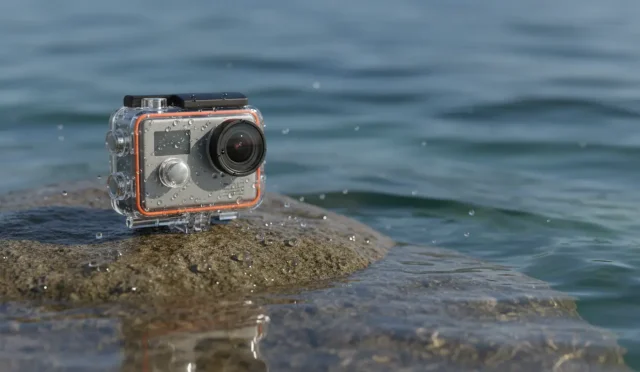
If you plan on diving deeper than the standard rating or want an extra layer of security against high-pressure impacts—such as hitting the water at the end of a high-speed slide—invest in a dedicated waterproof housing. These external cases provide a secondary barrier and often feature larger buttons that are easier to operate with wet hands. Always perform a “dry run” by submerging the empty housing in a sink to check for leaks before trusting it with your expensive camera.
Secure Your Camera with Reliable Mounting Systems
In a water park, the force of the water is your greatest enemy. A standard handheld grip might suffice for a calm pool, but a powerful wave pool or a vertical drop slide will easily rip the camera from your hands. To prevent losing your device to the bottom of a deep landing pool, use body-worn mounts.
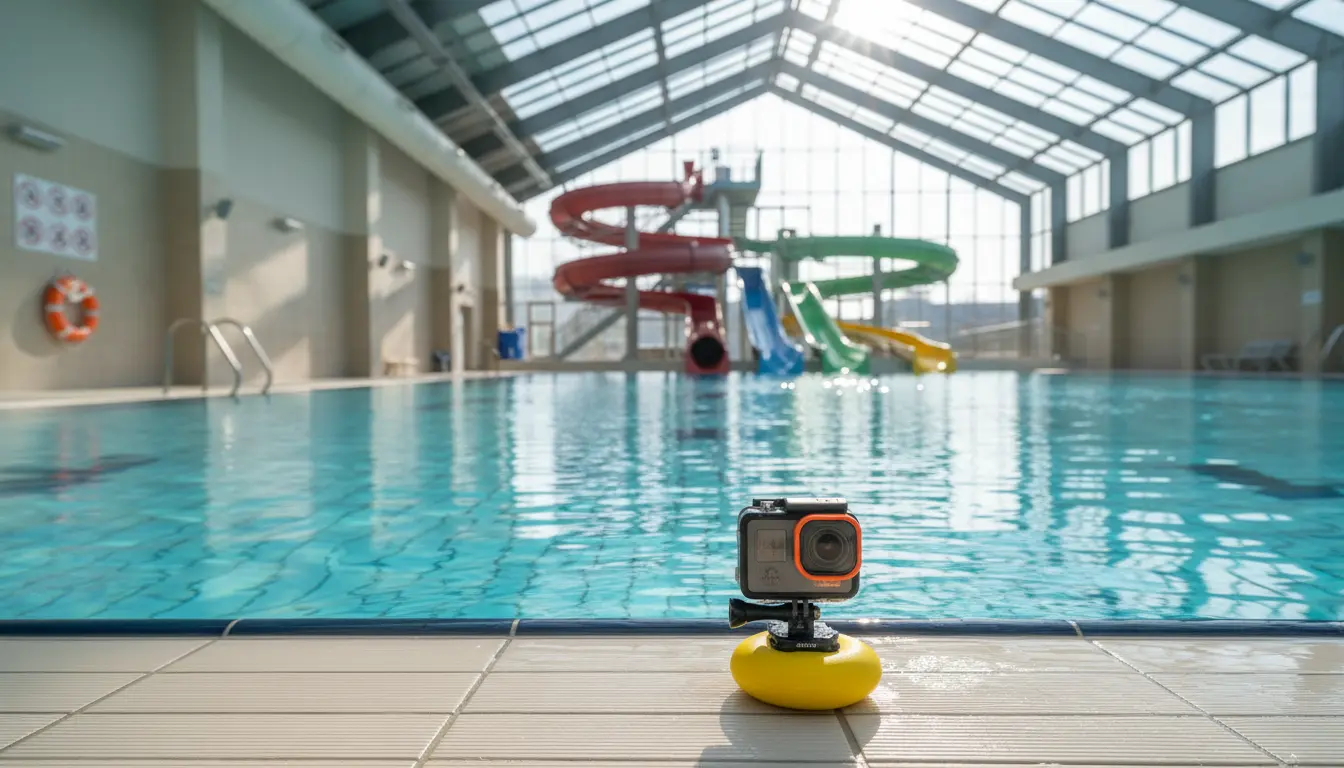
Chest mounts offer a stable, immersive perspective that captures your arms and the slide path, providing a true point-of-view (POV) experience. Head mounts are excellent for tracking where you look, though they are more prone to slipping off during high-impact entries. Regardless of the mount, always use a “floaty” attachment. These bright orange or red foam blocks ensure that if the camera does detach, it bobs to the surface rather than sinking into the dark machinery of a pool filter system. Additionally, loop a high-strength tether from the camera to your wrist or swimsuit as a final fail-safe.
Master the Technical Settings for Aquatic Environments
Water changes the way light behaves, often resulting in flat or overly blue footage. To combat this, you need to adjust your camera settings manually rather than relying on “Auto” mode. For pool shots, set your white balance to a slightly warmer temperature to counteract the cool blue tones of the water and tiles.
If you are filming fast-moving action on slides, prioritize a high frame rate. Shooting in 4K at 60 or 120 frames per second (fps) allows you to slow down the footage in post-production, turning a chaotic splash into a cinematic masterpiece of suspended water droplets. Furthermore, ensure your electronic image stabilization (EIS) is set to its highest level. Water slides are inherently bumpy, and high-end stabilization software will smooth out the vibrations, making the final video much more watchable.
Maintain Lens Clarity and Prevent Fogging
One of the most common frustrations in water photography is the “water drop” blur. When you transition from underwater to above water, droplets often cling to the lens, ruining the shot. You can mitigate this by using a hydrophobic lens coating or, in a pinch, the “lick and dip” method. Saliva acts as a natural surfactant that encourages water to sheet off the glass rather than forming beads.
Internal fogging is another silent killer of great footage. When a warm camera enters cold pool water, the humidity trapped inside the camera condenses on the lens. To prevent this, insert small anti-fog strips into the camera housing. These silica-based inserts absorb moisture, ensuring your lens remains crystal clear throughout the day.
Respect Privacy and Follow Park Regulations
Safety isn’t just about your gear; it’s about the people around you. Many water parks have strict policies regarding camera use. Some allow head mounts but ban handheld sticks on slides for safety reasons. Always check the park’s rules at the entrance to avoid having your equipment confiscated.
Furthermore, be mindful of privacy. Pools are public spaces where people wear minimal clothing. Avoid pointing your camera directly at strangers, and focus your filming on your own group or the architecture of the slides. If a lifeguard or staff member asks you to stop filming, comply immediately. Maintaining a positive reputation for action camera users ensures that these devices remain welcome in recreational spaces.
Post-Session Maintenance: The Golden Rule
The most critical step in safe action camera use happens after the fun ends. Chlorine in swimming pools and salt in the ocean are highly corrosive. Once you finish your session, rinse your camera (while still inside its housing or with all doors tightly shut) in fresh, clean water. This removes chemical residues that can degrade rubber seals and pit metal components over time.
After rinsing, pat the exterior dry with a microfiber cloth and allow the camera to air dry completely in a shaded, well-ventilated area. Never open the battery compartment while the camera is still wet, as stray drops can fall onto the internal circuitry. Regular maintenance ensures that your camera remains “adventure-ready” for years to come.
Elevate Your Content with Creative Angles
To make your water park vlog stand out, move beyond the standard “holding the camera” look. Try “split-shots” where the lens is half-submerged, capturing the world both above and below the waterline simultaneously. Use the bottom of the pool as a tripod for low-angle shots of swimmers passing overhead. These unique perspectives provide a sense of scale and immersion that standard photography cannot match.
Product Recommendation: DJI Osmo Action 6 Essential Combo
For those seeking the pinnacle of aquatic filming technology, we highly recommend the DJI Osmo Action 6 Essential Combo. This powerhouse features a massive 1/1.1″ square sensor that excels in the challenging lighting conditions often found in indoor water parks. Its unique variable aperture of f/2.0–f/4.0 allows for incredible depth-of-field control, a rarity in the action camera world.
The DJI Osmo Action 6 is built for endurance, featuring a cold-resistant design and a battery that lasts up to 4 hours, ensuring you never miss a moment of the action. With the ability to record in stunning 8K resolution, it provides the detail necessary for professional-grade cropping and editing. Whether you are hitting the slides or lounging by the pool, this camera is the ideal companion for daily high-performance use.