
What Is a Waterproof Housing? A Complete Action Camera Underwater Case Buying Guide
Action cameras have transformed the way we capture adventure. From surfing and scuba diving to kayaking and snorkeling, creators want crisp footage even beneath the surface. That’s where waterproof housing becomes essential. If you plan to shoot underwater, you must understand how an action camera underwater case works and how to choose the right one.
In this comprehensive guide, you will learn what waterproof housing is, why you need it, and how to select the best option for your camera and activities.
What Is a Waterproof Housing?
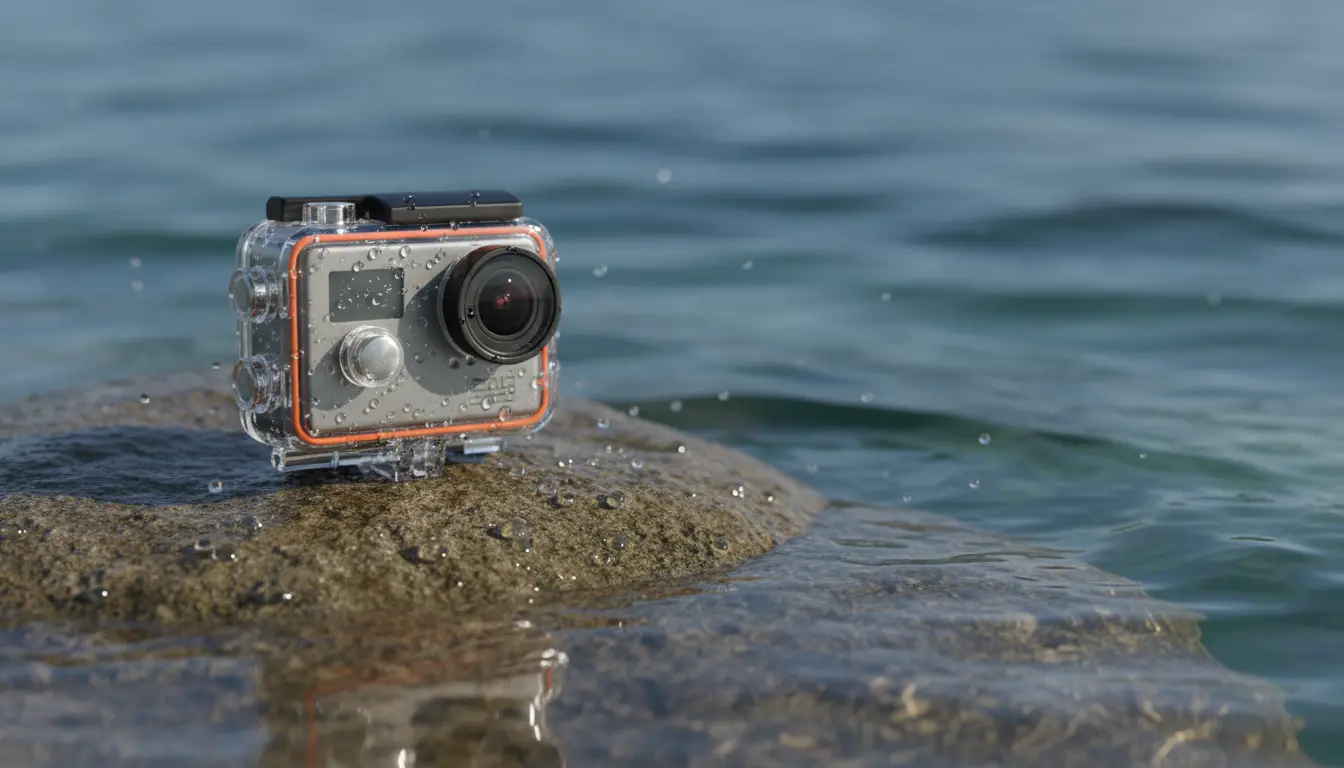
A waterproof housing is a protective enclosure designed to shield your action camera from water, moisture, pressure, and debris. Manufacturers typically build these housings from high-impact polycarbonate with sealed locking systems and rubber O-ring gaskets to prevent leaks.

Even though many modern action cameras advertise “water-resistant” or “waterproof” capabilities, they often only withstand shallow depths without additional protection. A dedicated action camera underwater case allows you to dive deeper, protect against saltwater corrosion, and maintain image clarity.
In simple terms, waterproof housing acts as a barrier between your camera and the harsh underwater environment.
Why You Need an Underwater Case for Your Action Camera
Many users assume their camera’s built-in waterproof rating is enough. However, relying solely on factory sealing can limit your shooting potential.
Here’s why you should consider a waterproof housing:
- Increased depth rating – Most cameras without housing handle 5–10 meters. A dive housing can extend that to 30–60 meters.
- Better protection against saltwater – Salt accelerates corrosion and damages internal components.
- Enhanced lens protection – A protective dive case shields against scratches and sand.
- Shock resistance – Ideal for extreme sports like cliff diving or whitewater rafting.
- Improved durability – Adds an extra safety layer during travel and rough handling.
If you create underwater video content or plan scuba diving sessions, investing in the right waterproof housing ensures reliability and peace of mind.
Key Features to Consider When Choosing Waterproof Housing
Selecting the best underwater housing requires attention to detail. Not all cases offer the same quality or compatibility.
1. Depth Rating
Always check the maximum depth rating. If you only snorkel, a 30-meter case may suffice. For scuba diving, choose housing rated at least 40–60 meters.
Manufacturers clearly state this specification. Never exceed the listed depth limit.
2. Compatibility
Not every waterproof case fits every camera model. Ensure the housing matches your exact camera version. Even slight differences in button placement can cause improper sealing.
Search specifically for your model when buying an action camera waterproof case.
3. O-Ring Seal Quality
The rubber O-ring is the most critical waterproof component. High-quality housings use durable silicone or rubber seals that resist wear.
Inspect:
- Thickness of the gasket
- Smooth locking mechanism
- Tight snap closure system
A reliable seal prevents water leakage during deep dives.
4. Lens Clarity and Anti-Fog Protection
Clear underwater footage depends on the housing lens. Look for:
- Optical-grade glass lens
- Anti-fog inserts
- Flat lens design for distortion-free underwater shooting
Underwater photography requires sharpness and minimal glare. Poor lens quality reduces video clarity.
5. Build Material
Premium dive housings use:
- Polycarbonate shell
- Stainless steel hinge pins
- Reinforced locking clasps
Durable material increases longevity and protects against impact.
6. Ease of Access to Controls
You should easily operate:
- Power button
- Record button
- Mode selection
Well-designed housings provide tactile feedback even while wearing diving gloves.
Types of Waterproof Housing
Different activities require different housing types.
Standard Waterproof Case
Best for casual swimming, snorkeling, and shallow water activities.
Professional Dive Housing
Designed for deep diving and underwater photography. Offers higher pressure resistance and premium sealing systems.
Protective Frame with Waterproof Seal
Ideal for rainy weather, mud, and splash protection rather than deep diving.
Understanding your activity helps you choose the correct underwater camera housing.
Common Mistakes to Avoid
Many users damage their cameras because they overlook basic precautions. Avoid these common errors:
- Failing to test the housing in water before inserting the camera
- Ignoring sand or debris around the O-ring
- Forgetting to replace worn-out seals
- Not using anti-fog inserts in cold water
- Exceeding the maximum depth rating
Always perform a quick water test without the camera inside before your first dive.
How to Maintain Your Waterproof Housing
Proper maintenance extends the lifespan of your underwater case.
Follow these simple steps:
- Rinse with fresh water after saltwater use.
- Dry completely before opening.
- Remove and inspect the O-ring regularly.
- Store in a cool, dry place.
- Avoid direct sunlight exposure for long periods.
Salt crystals and dirt are the biggest enemies of waterproof seals.
Waterproof Housing for Different Activities
Snorkeling
For snorkeling, you need moderate depth rating and anti-fog inserts. A lightweight underwater camera case works best.
Scuba Diving
Choose professional dive housing with strong pressure resistance and optical glass lens.
Surfing and Water Sports
Impact resistance becomes more important. Secure locking mechanisms prevent accidental opening during heavy waves.
Kayaking and Rafting
Splash-proof performance and shock protection are key.
Each activity demands a slightly different approach when selecting waterproof housing.
Benefits of Using Waterproof Housing for Content Creators
If you produce YouTube, travel vlogs, or underwater documentaries, waterproof housing improves content quality.
You gain:
- Clear underwater footage
- Extended filming sessions
- Enhanced camera safety
- Professional-level results
- Reduced risk of costly damage
A high-quality underwater case pays for itself by protecting expensive gear.
Is Built-In Waterproofing Enough?
Some modern action cameras advertise waterproof ratings up to 10 meters without housing. While convenient, this limitation restricts:
- Deep diving
- High-pressure environments
- Long underwater sessions
Additionally, built-in seals degrade over time. A separate waterproof housing provides backup protection and extended depth capability.
If you frequently shoot underwater, do not rely solely on factory sealing.
Final Thoughts: Choosing the Right Waterproof Housing
Selecting the right action camera underwater case requires understanding your needs. Focus on depth rating, seal quality, lens clarity, compatibility, and durability.
Do not choose based on price alone. A poorly designed case risks expensive damage. Instead, invest in a trusted waterproof housing designed specifically for your camera model.
With proper selection and maintenance, you can confidently capture stunning underwater adventures.
Recommended Product on Amazon
One popular and highly rated option is:
GoPro Protective Housing (Official Dive Housing for GoPro HERO Series)
Available on Amazon.com – Designed for depths up to 60 meters with durable polycarbonate construction and optical glass lens.
It offers strong sealing performance, high clarity, and reliable pressure resistance for scuba diving and underwater filming.