
Smart Pill Boxes: How They Prevent Missed Doses and Protect Patient Health
Smart pill boxes are transforming the way patients manage their medication. By combining simple design with digital technology, these devices help people remember when and how to take their pills, significantly reducing the risk of skipped doses. For patients with chronic diseases, older adults, or those taking multiple drugs daily, missing even a few doses can lead to serious health problems, hospital visits, and higher overall healthcare costs. Smart pill boxes address this problem directly, offering reminders, tracking, and data that improve treatment adherence and outcomes.
Unlike traditional pill organizers, smart pill boxes are active tools rather than passive containers. They do not just store tablets; they communicate with users, caregivers, and sometimes even healthcare providers. Through alarms, lights, smartphone notifications, and usage data, they turn medication time into a clear, structured routine. This consistent, guided routine is one of the main reasons why these devices are effective at preventing missed doses.
How Smart Pill Boxes Work
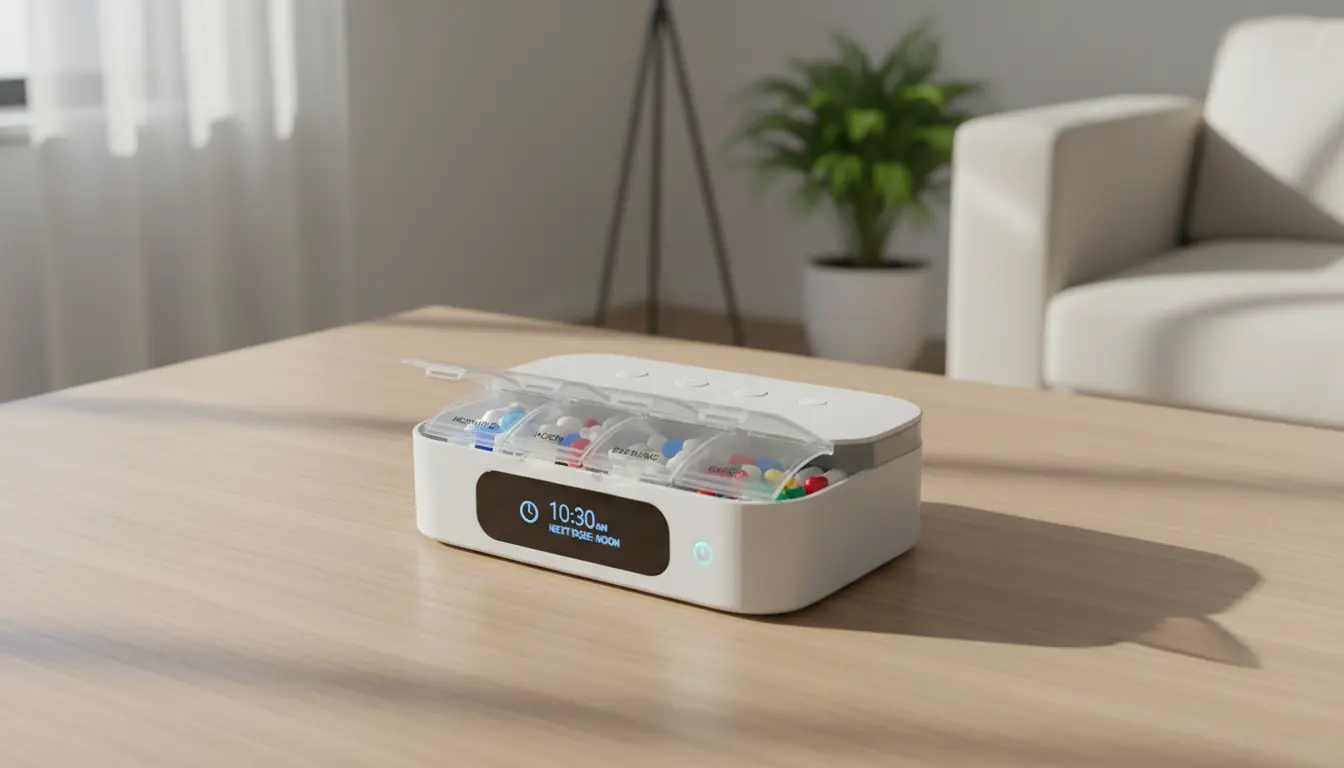
Smart pill boxes come in many designs, but they typically share a few core features. First, they have separate compartments for different times of the day or days of the week. Medication is pre-sorted into these compartments, either by the user, a caregiver, or sometimes a pharmacy. This helps avoid confusion, especially for people who take several medications that must be taken at different times.
Second, smart pill boxes use alert systems to remind users when it is time to take a dose. These alerts can be audible alarms, flashing lights, vibrations, or notifications sent to a connected smartphone or wearable device. Users can often customize the alert schedule to match their prescription and daily habits. When it is time to take a pill, the device signals clearly, making it harder to forget or delay the dose.
Third, many smart pill boxes track whether the compartment was opened at the correct time. Some models record the date and time of every opening and sync this information with a mobile app or cloud platform. This data can be viewed by the user, shared with family members, or sent to healthcare professionals. In this way, smart pill boxes turn medication-taking behavior into measurable information.
The Role of Smart Pill Boxes in Preventing Missed Doses
Missed doses are one of the biggest challenges in long-term treatment. Patients may forget, feel uncertain about instructions, experience side effects, or simply lose motivation. Over time, this non-adherence can weaken the effectiveness of medications for blood pressure, diabetes, depression, and many other conditions. Smart pill boxes attack the problem from several angles.
Firstly, they simplify complex regimens. A patient who previously had to manage several separate pill bottles now has one central system that organizes medications by time and day. This reduces cognitive load and prevents mistakes such as double dosing or taking the wrong pill. When the right compartment opens at the right time, the decision-making process becomes easier and faster.
Secondly, smart pill boxes strengthen habits through consistent cues. Psychology research shows that routines are more likely to be maintained when they are linked to clear triggers. Daily alarms, color indicators, and app reminders create these triggers, slowly turning medication-taking into an automatic behavior. As users get used to responding to these prompts, the rate of skipped doses often decreases.
Thirdly, remote monitoring and reporting add a layer of accountability. If a patient fails to take a dose, a caregiver can receive an alert and check in. For older adults living alone or patients with memory issues, this can be vital. Knowing that someone else will notice a missed dose can motivate patients to stay on schedule and encourages a sense of shared responsibility in treatment.
Benefits for Patients, Caregivers, and Healthcare Systems
The advantages of smart pill boxes extend beyond simple reminder functions. For patients, they provide confidence and a sense of control. Instead of constantly wondering, “Did I already take my pill?” they can rely on the device’s schedule and records. This reduces anxiety and lowers the chance of accidental overdosing or underdosing.
Caregivers, such as family members or professional nurses, also benefit. Instead of having to call or visit frequently just to confirm adherence, they can check a dashboard or receive notifications from a connected app. This saves time, allows for quicker intervention when adherence drops, and supports safer independent living for the person they care for.
Healthcare systems see value in improved adherence too. Consistent medication use often leads to better disease control, fewer emergency visits, and reduced hospitalizations. Over time, this can lower treatment costs and free up medical resources. As value-based care and remote patient monitoring become more common, smart pill boxes fit naturally into digital health strategies.
Key Features That Improve Medication Adherence
Different smart pill boxes offer different functions, but certain features are especially important for preventing missed doses. Robust, customizable reminders are essential. Users should be able to select the type of alert that works best for them and adjust the volume, timing, and repetition. For people with hearing or visual impairments, vibration, strong lights, or large-print displays can be crucial.
Connectivity is another powerful feature. Bluetooth or Wi-Fi links allow the device to sync with mobile apps or integrated healthcare platforms. This connection opens the door to adherence reports, trend analysis, and automated alerts for missed doses. Over time, patterns in the data can reveal issues such as dose skipping on weekends or confusion around new prescriptions, helping clinicians adjust treatment plans appropriately.
Security and safety features also play a major role. Lockable compartments can prevent children from accessing medications or stop users from changing the dose unintentionally. Low-battery alerts and refill reminders make sure the device itself does not become a point of failure. For people whose health relies heavily on precise dosing, these protective features are more than convenience—they are essential safeguards.
Choosing the Right Smart Pill Box
Not every device is suitable for every person. When choosing a smart pill box, several factors should be considered. The complexity of the medication schedule is one of the most important. Some patients only need a few compartments per day, while others may require multiple distributions, such as morning, noon, evening, and nighttime. The design should match this schedule without becoming overwhelming.
User-friendliness is equally crucial. Older adults or individuals with limited dexterity may struggle with small buttons, stiff lids, or complicated digital menus. A simple interface, clear labeling, and easy-to-open compartments can greatly increase real-world usage. In some cases, voice guidance or large touchscreens can be helpful.
Integration with existing devices and systems is another consideration. If the patient already uses a smartphone or a connected health platform, choosing a smart pill box that links smoothly to that ecosystem can reduce confusion. Finally, cost and reliability matter. A durable, well-supported device may be the best long-term investment even if the initial price is higher.
The Future of Smart Medication Management
Smart pill boxes are part of a broader movement toward connected, personalized healthcare. As sensors improve and artificial intelligence becomes more common in medical devices, these systems may soon offer even more advanced capabilities. They could, for example, adjust reminder strategies based on a user’s behavior, suggest new routines that fit better into daily life, or predict potential adherence problems before they become serious.
Integration with electronic health records and telemedicine platforms will likely deepen. Physicians may be able to see real-time adherence data during virtual visits, allowing for better-informed discussions and more precise treatment adjustments. For clinical trials, smart pill boxes can deliver accurate, time-stamped information about how participants actually take study drugs, improving research quality.
Despite these technological advances, the core value of smart pill boxes remains simple: they make it easier for people to take the right medication at the right time. By reducing missed doses, they support better health, greater independence, and more efficient use of healthcare resources. In an aging world with rising rates of chronic disease, this seemingly small improvement in daily life can have a large cumulative impact.