
The Ultimate Guide to Smart Speakers with Exceptional Microphone Performance
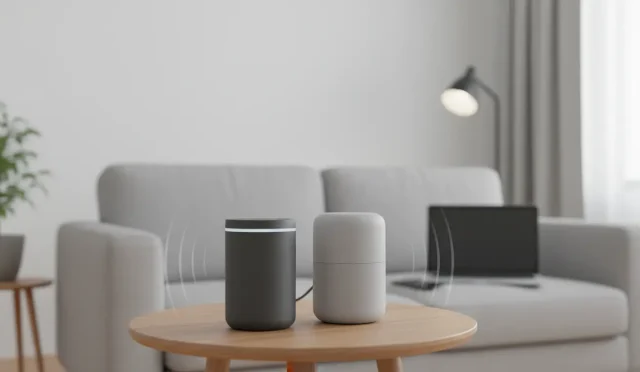
In the modern era of voice-controlled homes, the utility of a smart speaker hinges entirely on its ability to hear you. Whether you are shouting a command from across a noisy kitchen or whispering a request late at night, microphone quality is the silent hero of the user experience. A smart speaker with poor reception is little more than a paperweight, but one with a high-fidelity microphone array transforms into a seamless digital assistant. This article explores the technology behind superior voice pickup and reviews the best devices currently dominating the market.
The Science of Far-Field Voice Recognition
To understand why some smart speakers excel while others fail, we must look at far-field voice recognition technology. High-end devices utilize a multi-microphone array, often consisting of four to eight individual MEMS (Micro-Electro-Mechanical Systems) microphones. These arrays work in tandem to perform beamforming, a process that identifies the direction of the user’s voice and focuses the “listening” sensitivity toward that specific point while ignoring ambient noise.
Furthermore, advanced acoustic echo cancellation (AEC) allows the device to hear your commands even while it is playing loud music. By digitally subtracting the audio it is outputting from the sound it is receiving, the speaker ensures that the wake word—be it “Alexa,” “Hey Google,” or “Siri”—is always detected. This level of precision is what separates a premium smart speaker from a budget-tier alternative.


Top Contenders for Superior Microphone Sensitivity
When searching for the perfect device, several models stand out for their ability to capture voice commands with surgical precision.
1. Amazon Echo (4th Gen): The Versatile Powerhouse
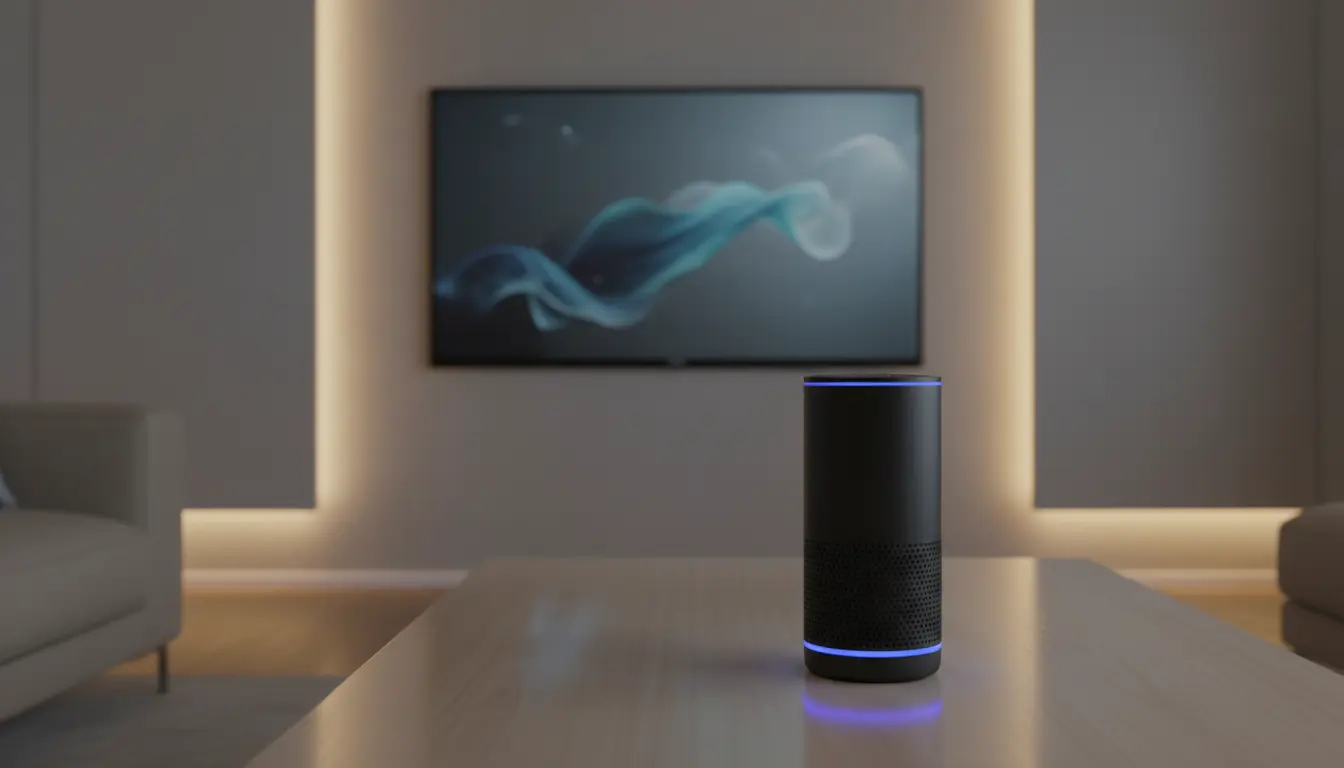
The Amazon Echo remains a benchmark for microphone performance. Equipped with a premium seven-microphone array, it uses advanced beamforming technology to ensure it never misses a beat. Its spherical design isn’t just for aesthetics; it allows for 360-degree sound capture, making it ideal for large, open-concept living rooms.
2. Apple HomePod (2nd Gen): The Privacy-Focused Listener
Apple’s HomePod is renowned for its computational audio. It features a four-microphone array that is specifically tuned to hear “Siri” from incredible distances. Even with heavy bass vibrating the room, the HomePod’s internal low-frequency calibration microphone ensures that the system remains responsive to human speech.
3. Google Nest Audio: The Smartest Ear in the Room
Google’s flagship speaker focuses on software-driven microphone optimization. It uses three far-field microphones and a dedicated hardware-based ML (Machine Learning) chip. This chip processes your most frequent commands locally, reducing latency and improving the accuracy of voice recognition over time as it learns your specific vocal patterns.
Why Microphone Quality Matters for Smart Home Integration
A smart speaker is the central hub of your automated ecosystem. If the microphone fails to trigger, your smart lights, thermostats, and security locks remain unresponsive. High-quality microphone reception reduces “voice fatigue”—the frustration of having to repeat yourself multiple times. For users with accessibility needs, this reliability is not just a luxury; it is a necessity for maintaining independence within the home.
Moreover, the integration of LSI (Latent Semantic Indexing) keywords in the device’s internal processing helps it understand context. For instance, if you ask for “the weather in London,” the device uses its acoustic clarity to distinguish between “London” and “Linden,” ensuring you get the right information every time.
Enhancing Your Speaker’s Listening Ability
Even the best hardware can be hindered by poor placement. To maximize the efficiency of your smart speaker’s microphone:
- Avoid Corners: Placing a speaker in a corner can cause sound waves to bounce and create “muffled” feedback.
- Stay Away from Noise Sources: Keep the device away from air conditioners, dishwashers, or televisions that might create constant background hum.
- Elevate the Device: Placing the speaker at ear level generally improves the line-of-sight for sound waves, leading to better wake-word detection.
The Future of Voice Interaction
As we move toward 2026, we are seeing the rise of “spatial awareness” in microphones. Future smart speakers will not only hear what you say but will also understand where you are in the room relative to other devices. This will allow for “follow-me” audio and more localized responses, further cementing the importance of investing in a device with a top-tier microphone array today.
Conclusion
Choosing a smart speaker with excellent microphone pickup is the most important decision you can make for your smart home. By prioritizing beamforming technology, echo cancellation, and a robust microphone array, you ensure that your digital assistant is always ready to help. Whether you prefer the ecosystem of Amazon, Google, or Apple, the clarity of your voice is the key to unlocking the full potential of AI-driven living.
Amazon Echo (4th Gen) with Premium sound, smart home hub, and Alexa