
Voice AI Devices for Accessibility: Empowering Individuals with Disabilities Worldwide
The rapid evolution of artificial intelligence has transformed from a futuristic concept into a vital lifeline for millions. For individuals living with disabilities, technology is not just about convenience; it is about reclaiming independence. Voice AI devices, powered by sophisticated natural language processing (RLHF) and machine learning, are breaking down traditional barriers to communication, mobility, and daily living. This article explores how voice-activated technology is reshaping the landscape of global accessibility and fostering a more inclusive world.
The Shift from Manual to Vocal Interaction
For decades, the primary interface between humans and machines was tactile. Keyboards, mice, and touchscreens required a level of fine motor control that many individuals with physical impairments found challenging. The emergence of voice-controlled assistants like Alexa, Siri, and Google Assistant shifted the paradigm. By replacing physical input with vocal commands, these devices have opened doors for people with limited hand mobility, paralysis, or conditions like Parkinson’s disease.
Active voice technology allows users to control their environment without needing to touch a single button. A user can adjust the thermostat, lock the front door, or call for help using only their voice. This shift represents a move toward “ambient computing,” where the environment itself becomes responsive to the user’s needs, significantly reducing the cognitive and physical load required to perform basic tasks.
Enhancing Visual Independence through Auditory Feedback
For the visually impaired community, voice AI serves as a digital set of eyes. Modern voice assistants integrate with specialized apps to identify objects, read currency, and describe surroundings. Instead of relying on Braille alone or the assistance of others, a person with vision loss can ask their device to read the morning news, describe the contents of a pantry, or navigate public transportation routes.
Furthermore, the integration of AI with wearable technology has led to smart glasses that narrate the world in real-time. These devices use computer vision to recognize faces and read text on signs, providing a level of spatial awareness that was previously unattainable. By converting visual data into descriptive audio, voice AI empowers users to navigate both private and public spaces with newfound confidence.
Bridging the Communication Gap for Speech and Hearing Impairments
One of the most profound impacts of voice AI is in the realm of speech-to-text and text-to-speech technologies. For individuals with hearing loss, real-time transcription services powered by AI allow them to follow conversations in noisy environments or during video calls. The AI captures spoken words and displays them as text instantly, ensuring that no one is left out of the dialogue.
Conversely, for those with non-standard speech patterns or conditions like ALS, AI is becoming more adept at understanding diverse vocalizations. Projects focused on “atypical speech” are training models to recognize and translate unique speech patterns into clear, synthesized voices. This ensures that individuals who were previously misunderstood by technology can now use voice commands effectively, granting them a voice in a world that often overlooks them.
Smart Homes as Accessible Sanctuaries
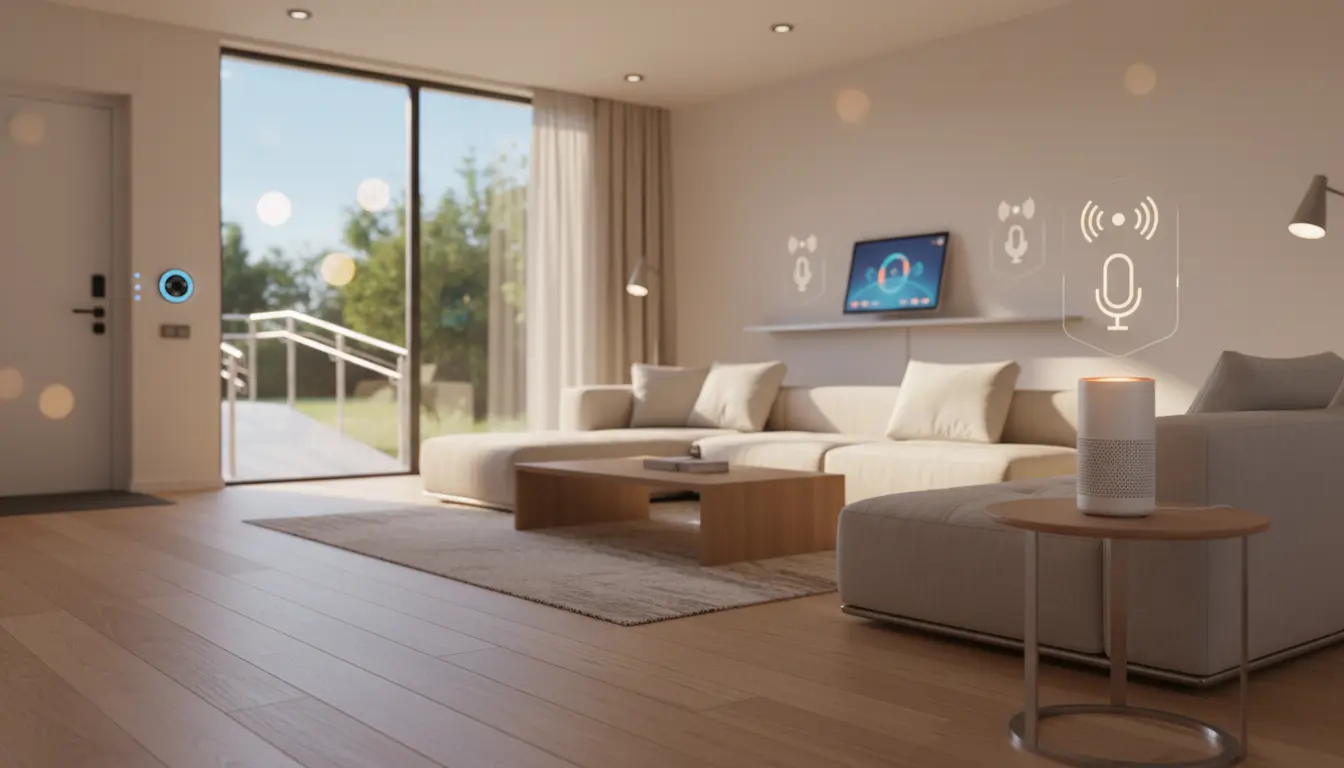
The concept of the “Smart Home” is often marketed as a luxury, but for someone with a disability, it is a fundamental accessibility tool. Voice AI acts as the central hub for an interconnected ecosystem of devices. When lighting, appliances, and security systems are linked to a voice assistant, the home environment becomes fully customizable.
Imagine a scenario where an individual with mobility issues can prepare their home for the night—dimming lights, setting alarms, and checking security cameras—all from their bed. This level of autonomy reduces the need for full-time caregivers for certain tasks, allowing individuals to live more privately and independently. The psychological impact of this self-sufficiency is immeasurable, contributing to higher self-esteem and overall well-being.
Global Impact and the Future of Inclusive Design
The reach of voice AI is global, but the challenge remains in ensuring language diversity and affordability. Developers are increasingly focusing on low-resource languages to ensure that individuals in developing nations can also benefit from these advancements. As AI models become more efficient, they can run on cheaper hardware, making accessibility technology more attainable for lower-income households worldwide.
The future of voice AI lies in proactive assistance. Instead of waiting for a command, future AI might use sensors to detect if a user has fallen or if their health metrics are off, automatically initiating a voice check-in or contacting emergency services. This transition from reactive to proactive support will define the next generation of assistive technology.
Conclusion: A World Without Barriers
Smart voice devices bridge the accessibility gap for disabled users worldwide. By prioritizing inclusive design, tech companies are not just expanding their market—they are changing lives. As we continue to refine these tools, the goal remains clear: a world where every individual, regardless of their physical or sensory abilities, has the power to interact, communicate, and thrive.