
360 Camera vs Action Camera: Differences, Pros, Cons, and Which One to Choose
Choosing between a 360 camera and an action camera can be confusing, especially if you create content for YouTube, social media, or travel vlogs. Both camera types are designed for dynamic shooting, but they capture the world in very different ways. Understanding these differences helps you invest in the right tool and get the best possible footage for your style.
This article explains what 360 cameras and action cameras are, how they differ, their pros and cons, and which one is better for different use cases. You will also see a practical recommendation for a product on Amazon at the end.
What Is a 360 Camera?
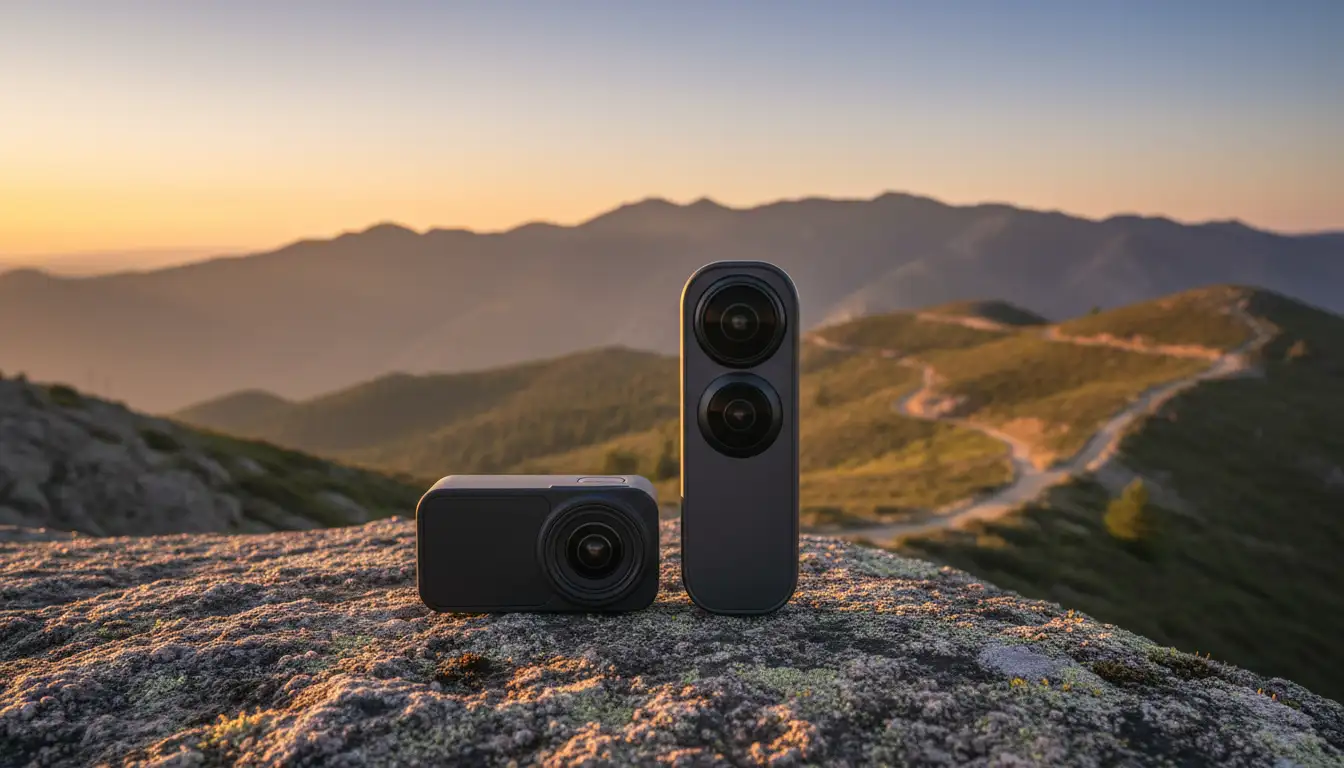
A 360 camera is a device that captures everything around it in all directions, usually using two or more ultra‑wide lenses. Instead of recording a traditional flat frame, it creates a spherical image or video that you can explore by swiping, dragging, or moving your phone or headset.

Modern 360 cameras typically:
- Use two fisheye lenses, each capturing 180 degrees or more
- Automatically stitch the footage into a seamless 360° video
- Allow you to reframe the shot afterward into standard formats (16:9, 9:16, 1:1, etc.)
- Support VR headsets and interactive viewing on platforms like YouTube and Facebook
The main idea: you press record and let the camera capture everything. Later, you decide which angle to show. This makes 360 cameras very flexible for creators who want multiple perspectives from a single take.
What Is an Action Camera?
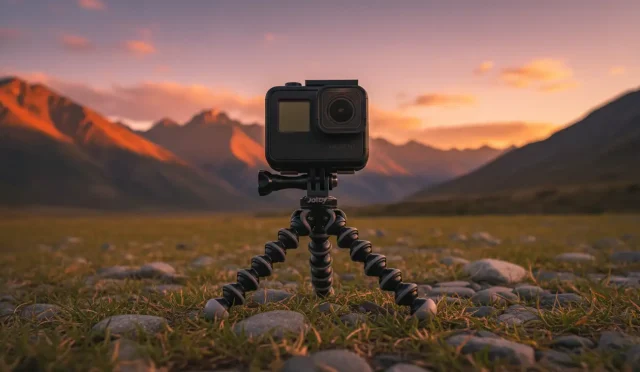
An action camera is a compact, rugged camera designed to handle high‑intensity situations like sports, travel, underwater adventures, and everyday vlogging. Unlike a 360 camera, it focuses on a single direction, just like a traditional camera, but in a small and durable package.
Key traits of an action camera include:
- Wide‑angle lens, but not 360 degrees
- Strong stabilization for smooth, shake‑free video
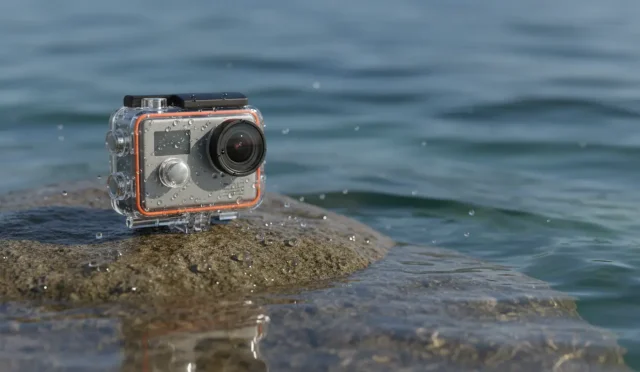
- Waterproof or water‑resistant body for outdoor use
- High frame rates for slow‑motion shots
- Simple operation with quick buttons and modes
Action cameras are ideal for mounting on helmets, bikes, surfboards, or chest harnesses. You point them where the action is and capture a clear, focused shot.
360 Camera vs Action Camera: Key Differences
Although both are designed for active users, the way they capture and deliver content is very different.
1. Field of View and Perspective
- 360 Camera: Captures a complete sphere around the camera. You never miss anything because every angle is recorded. Later, you can “reframe” the footage and create multiple edits from the same clip.
- Action Camera: Captures one direction only. You must aim the camera at your subject to get the shot you want.
If you want total freedom to change angles in post‑production, a 360 camera is very powerful. If you prefer a straightforward, point‑and‑shoot style, an action camera is simpler.
2. Image Quality and Detail
- Action Cameras often deliver sharper image quality in the final export, especially when you record in 4K or higher. All the pixels focus on one frame.
- 360 Cameras spread the resolution across a full sphere. When you reframe into a normal rectangular video, the effective resolution drops. High‑end 360 cameras compensate with 5.7K or higher recording, but a mid‑range action camera can still look crisper in many situations.
If your main priority is maximum sharpness and clarity in one direction, an action camera usually wins.
3. Stabilization and Smoothness
Both camera types now include advanced electronic image stabilization:
- 360 Cameras have a natural advantage because they capture more data around the horizon. They often provide extremely smooth, gimbal‑like footage, even when the camera rotates or spins.
- Action Cameras also offer excellent stabilization, but they can struggle more when the camera rotates dramatically or the horizon tilts.
For mountain biking, skiing, or FPV‑style shots where the camera rotates, 360 cameras often produce more stable results.
4. Editing Workflow and Flexibility
- 360 Cameras:
- Require more editing time. You need to import and reframe your footage.
- Offer more creative possibilities: tiny‑planet shots, hyperlapses, dynamic pans, auto‑tracking, and more.
- Need powerful apps or software to fully unlock their potential.
- Action Cameras:
- Provide a faster workflow. You can often use the footage straight out of the camera.
- Are easier for beginners who don’t want complex post‑processing.
If you enjoy editing and want maximum creative control, a 360 camera is exciting. If you want fast turnaround and simple files, an action camera is more practical.
5. Use Cases and Content Style
- Best for 360 Cameras:
- Immersive travel videos and VR experiences
- Extreme sports where the camera may move unpredictably
- Social media content where you want to repurpose one clip into multiple angles
- Behind‑the‑scenes shots where you want to capture everything happening around you
- Best for Action Cameras:
- Daily vlogging and YouTube content
- POV shots from helmets, chests, or handlebars
- Underwater adventures and rough environments
- Situations where you know exactly what you want to film
Pros and Cons of 360 Cameras
Advantages of 360 Cameras
- Never miss the moment: The camera captures everything, so you can decide later which angle to show.
- Extreme stabilization: Horizon‑level footage even when the camera spins or shakes.
- Creative effects: Tiny‑planet views, smooth digital pans, and reframed clips for multiple platforms.
- Great for solo creators: You can track yourself in post‑production without a camera operator.
Disadvantages of 360 Cameras
- Complex workflow: Requires more time for editing and reframing.
- Lower perceived sharpness: Effective resolution can feel lower than a native 4K action cam.
- Higher storage needs: 360 footage takes up more memory card and hard drive space.
- Learning curve: Beginners may feel overwhelmed by the software and options.
Pros and Cons of Action Cameras
Advantages of Action Cameras
- Simplicity: Turn it on, press record, and you are ready to go.
- High image quality: Crisp 4K (and higher) footage focused on a single frame.
- Rugged design: Built to survive drops, water, dust, and harsh conditions.
- Fast workflow: Ideal for creators who want quick edits and minimal post‑processing.
Disadvantages of Action Cameras
- Limited field of view: If you don’t aim correctly, you can miss the moment.
- Less flexibility in post: You cannot change angles after recording.
- Challenging for solo shots: You must manually frame yourself or rely on mounts and guesswork.
Which One Should You Buy?
Your ideal choice depends on your priorities and content style:
- Choose a 360 camera if:
- You want to create immersive, cinematic, or VR‑style videos.
- You often regret missing angles or badly framed moments.
- You enjoy editing and want advanced creative tools.
- Choose an action camera if:
- You mainly publish standard 16:9 or vertical videos and short‑form content.
- You value sharp, straightforward footage and quick workflows.
- You want a rugged, dependable camera for travel, sports, and vlogging.
Many professional creators eventually use both: a 360 camera for complex, dynamic scenes and an action camera for everyday shoots. If you are just starting and want one device, think about how much time you are willing to spend on editing and how important multi‑angle flexibility is to you.
Recommended Product on Amazon
If you want a powerful and versatile action camera that works well for most users, consider the GoPro HERO13 Black on Amazon.com. It offers excellent 4K image quality, strong stabilization, a rugged and waterproof design, and a wide ecosystem of mounts and accessories. For many creators, it is a reliable starting point before exploring 360 cameras.