
Ergonomic Office Chair Recommendations: Finding the Perfect Work Seat
Choosing the right office chair changes how you work, feel, and perform every single day. Millions of people now spend eight or more hours seated at a desk, and an uncomfortable chair quietly damages posture, focus, and long-term health. Whether you work from a corporate office or a home workstation, investing in quality seating pays off almost immediately.
Why Ergonomic Office Chairs Matter
Poor posture leads to back pain, neck stiffness, and reduced energy throughout the day. An ergonomic office chair supports the natural curve of your spine and distributes weight evenly across your body. This design reduces pressure on the lower back and prevents slouching during long work sessions. Employers and remote workers alike recognize that comfortable seating directly improves concentration and output. A well-designed desk chair also promotes better blood circulation, which keeps your mind sharp during demanding tasks. Sitting for extended periods without proper lumbar support can strain muscles and joints over time. That’s why ergonomic seating has become a priority rather than a luxury for modern professionals.
Key Features to Look for in a Work Chair
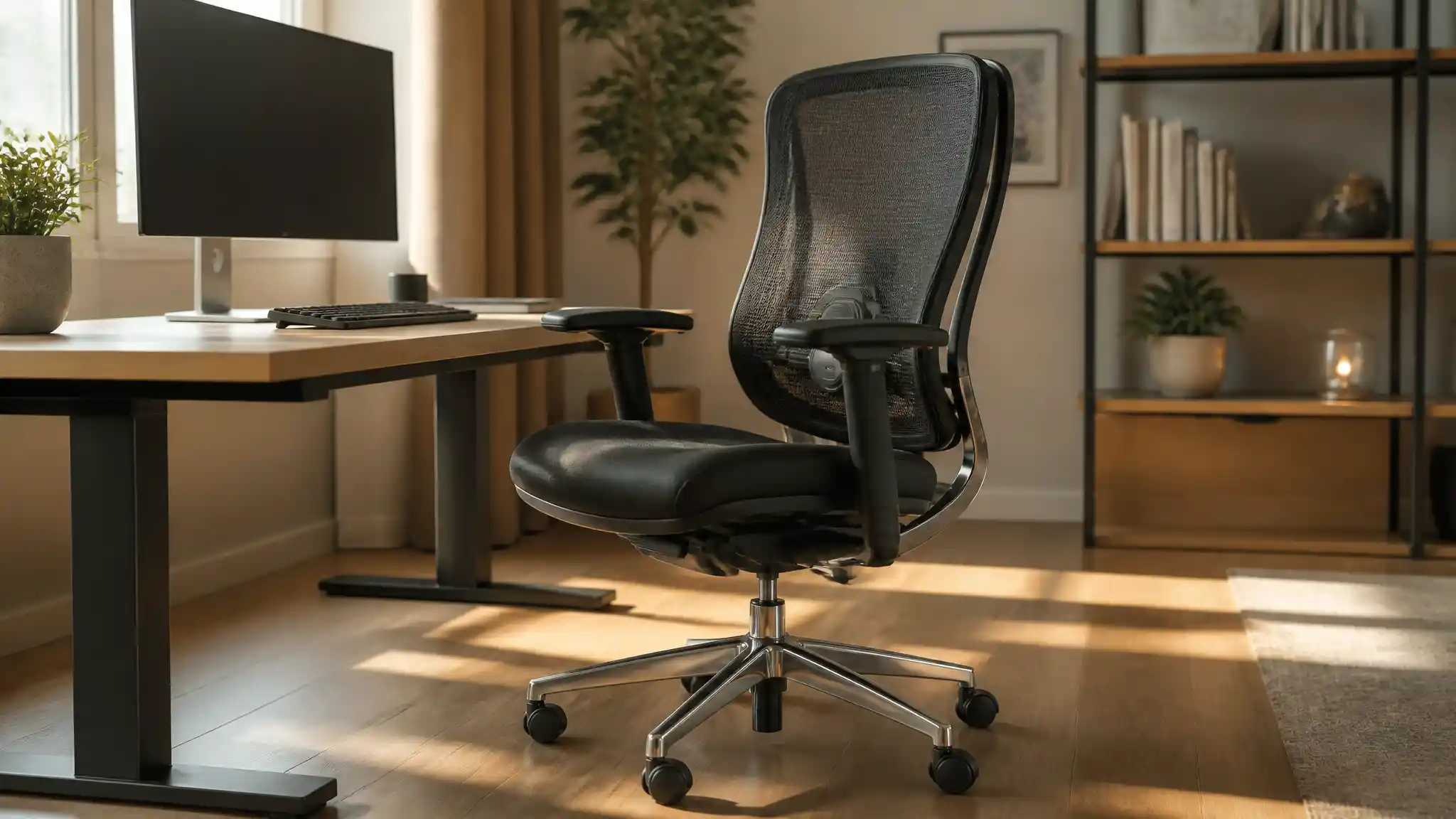
Selecting the right chair requires attention to several important details. First, check for adjustable lumbar support, since it customizes the chair to your spine’s shape. Second, look for a seat with breathable mesh fabric, which prevents overheating during long hours. Third, prioritize adjustable armrests that reduce shoulder tension and keep your wrists aligned with your keyboard. Fourth, consider a swivel base and smooth-rolling casters, as these features allow you to move freely without straining your body. Fifth, seat height adjustment matters greatly, because your feet should rest flat on the floor while your knees form a ninety-degree angle. Finally, tilt-lock mechanisms let you recline comfortably during short breaks without losing support. Combining these features creates a chair that adapts to your body rather than forcing you to adapt to it.

Best Types of Office Seating for Different Needs
Not every professional needs the same type of chair. Executive chairs offer plush padding and a taller backrest, making them ideal for managers who spend most of their time on calls or reading documents. Task chairs, on the other hand, suit employees who move frequently between tasks and need lightweight mobility. Mesh chairs work wonderfully for hot climates or shared offices, since they promote airflow and reduce sweating. Kneeling chairs and balance-ball seats appeal to users who want to strengthen core muscles while working, though they require an adjustment period. Gaming-style chairs have also gained popularity among remote workers because they combine bold design with strong lumbar and neck support. Selecting a chair type depends on your daily routine, body type, and how long you typically remain seated.
How the Right Chair Improves Daily Productivity
A comfortable seat removes constant distractions caused by discomfort, allowing you to focus entirely on your tasks. Employees who use supportive office furniture report fewer sick days and higher energy levels by the end of the workday. Good posture also improves breathing and reduces fatigue, which directly boosts mental clarity. Many companies now treat ergonomic furniture as an investment rather than an expense, recognizing its impact on overall performance. Home-based workers benefit even more, since they often lack access to professional office setups. Upgrading a single chair can transform an entire workspace and encourage healthier daily habits.
Top Amazon Pick for Your Home Office
For shoppers searching Amazon.com, the Steelcase Series 1 Office Chair stands out as an excellent choice. It combines adjustable lumbar support, breathable mesh material, and a sturdy swivel base, making it suitable for long work hours. Reviewers frequently praise its balance between affordability and premium ergonomic design, which makes it a smart pick for both home offices and corporate settings.
Final Thoughts
Selecting the right work chair requires balancing comfort, adjustability, and durability. Ergonomic seating reduces physical strain while improving focus and productivity throughout the day. By understanding key features and matching a chair to your work style, you create a healthier and more efficient workspace. A thoughtful investment in quality seating today prevents discomfort and supports long-term wellness.