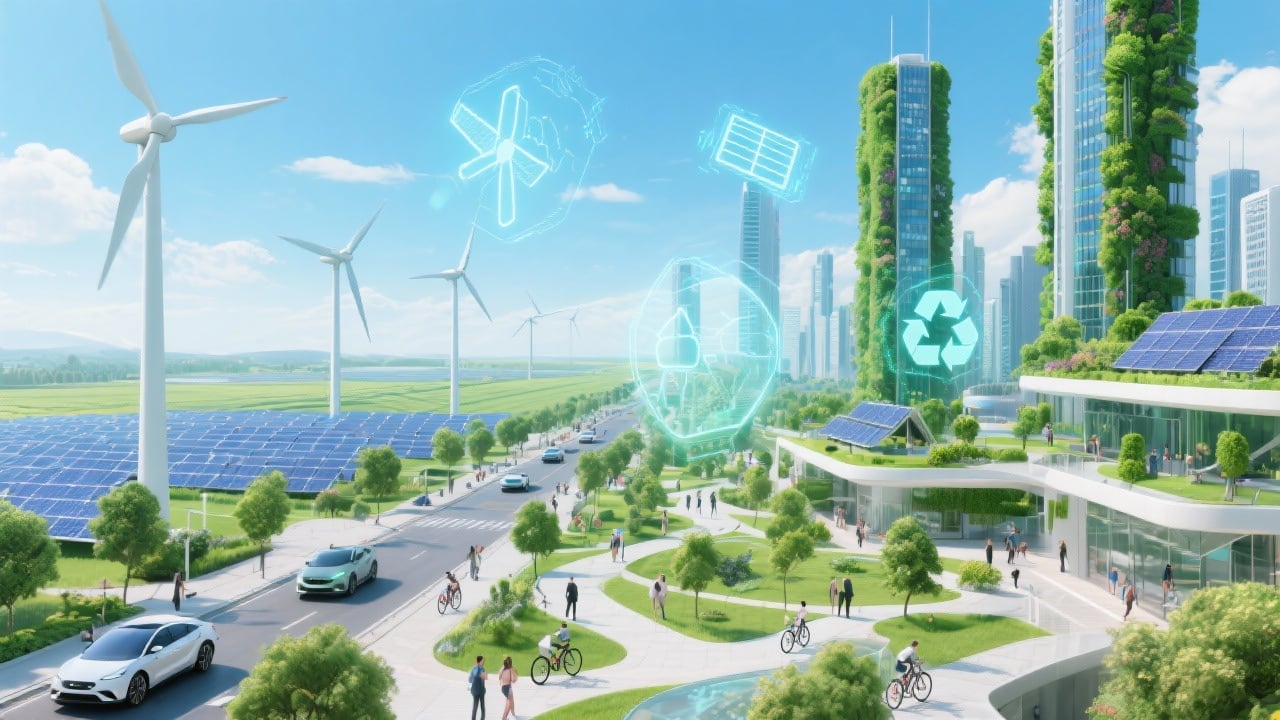

As climate change intensifies and natural resources become scarcer, technology has found itself at the forefront of global responsibility. Industry leaders, startups, and innovators are answering the call for change by developing sustainable technology—solutions that minimize environmental impact while maximizing efficiency. From renewable energy breakthroughs to eco-friendly consumer devices, sustainability is quickly becoming not just an option, but the foundation of the modern industrial revolution.
What Is Sustainable Technology?
Sustainable technology refers to innovations designed with the planet in mind. Their aim is to reduce carbon footprints, conserve resources, and promote circular economies. Unlike conventional technology, sustainability-driven products prioritize longevity and recyclability, ensuring that progress does not sacrifice environmental protection.
Key attributes of sustainable technology include:



- Renewable or recycled material usage.
- Energy efficiency and low emissions.
- Minimal waste in production and disposal.
- Scalable solutions that benefit both individuals and societies.
Renewable Energy as a Driving Force
The backbone of sustainable technology is renewable energy. Solar panels, wind turbines, geothermal systems, and modern hydroelectric plants have replaced fossil-fuel-based systems in many regions.
- Solar Advancements: Solar efficiency has nearly doubled in the past decade with the rise of perovskite-based panels.
- Wind Power Evolution: Offshore wind farms are powering entire cities, generating record-breaking levels of clean energy.
- Battery Storage: Innovations in lithium-free storage, such as sodium-ion and solid-state batteries, ensure renewable energy remains reliable even when the sun doesn’t shine or the wind doesn’t blow.
Green Building and Smart Cities
Urban environments account for over 70% of global carbon emissions. Enter smart cities designed around sustainability.
- Energy-Efficient Buildings: Skyscrapers with self-shading windows, green rooftops, and smart insulation drastically reduce heating and cooling needs.
- Smart Grids: Optimized power systems prevent waste by balancing supply and demand intelligently.
- Eco-Friendly Infrastructure: Roads paved with recycled plastics and sensors that monitor air pollution in real-time turn cities into ecosystems that adapt and respond to environmental changes.
Circular Economy and Recycling Innovation
Waste, especially e-waste, has emerged as one of the 21st century’s greatest environmental challenges. Sustainable tech solutions emphasize circular economy principles—where products are reused, refurbished, or recycled instead of discarded.
- Electronics Recycling: Companies now design smartphones and laptops with modular components, making repairs easier and reducing landfill growth.
- Biodegradable Packaging: Innovators are creating packaging from seaweed, mushrooms, and cornstarch to replace harmful plastics.
- 3D Printing with Waste: Recycled plastics are being transformed into affordable materials for housing and construction.
Sustainable Consumer Technology
Tech giants are embracing eco-friendliness not just in energy but also in design and production.
- Smartphones: Brands are using recycled aluminum and ocean plastics in their casings.
- Wearables: Solar-powered smartwatches reduce dependency on chargers.
- Appliances: AI-driven washing machines optimize water use, while eco-refrigerators consume less electricity without sacrificing performance.
- Solar Chargers: Portable, renewable-first gadgets allow consumers to stay connected with minimal carbon output.
Transportation and Green Mobility
The transportation sector is undergoing its most dramatic transformation in decades thanks to sustainable technology.
- Electric Vehicles (EVs): Faster charging, longer range, and more affordable EVs are disrupting the global automotive market.
- Hydrogen Fuel Cells: Trucks, buses, and even airplanes are being tested with clean hydrogen power.
- Public Transit Innovations: Autonomous electric shuttles, bike-sharing programs, and high-speed green rail systems reduce urban congestion and emissions simultaneously.
Agriculture and Food Technology
Feeding nearly 10 billion people by 2050 sustainably is one of humanity’s greatest challenges. Innovative companies are blending agriculture with high-tech systems.
- Vertical Farming: Urban skyscrapers are being repurposed into vertical farms that require 95% less water.
- Precision Agriculture: AI-driven drones monitor crops, reducing pesticide and fertilizer wastage.
- Lab-Grown Meat: Cultured proteins are minimizing the environmental footprint of livestock farming while opening doors to ethical, scalable food production.
Challenges and Considerations
While sustainable technology promises a greener future, challenges remain.
- High Initial Costs: Solar panels, EVs, and advanced systems still have significant upfront expenses.
- Global Accessibility: Developed countries adopt sustainable technologies faster, leaving developing nations behind.
- Resource Extraction: Even clean technologies, like batteries, rely on rare minerals such as lithium and cobalt, raising concerns of ethical mining.
- Consumer Awareness: Adoption largely depends on the public’s willingness to integrate greener solutions into daily life.
The Role of Private Sector and Governments
The sustainability race is collaborative. Private companies influence markets with eco-friendly products, while governments provide regulations and incentives. Carbon taxes, green subsidies, and international climate agreements are pushing industries to adopt clean technologies faster than ever.
The Future of Sustainable Technology
The future will likely include:
- AI-Enhanced Sustainability: Algorithms predicting climate conditions and optimizing energy use globally.
- Space-Based Solar Power: Projects to harvest solar energy in orbit and beam it to Earth.
- Universal Green Standards: Standardized environmental certifications forcing accountability across industries.
- Globalized Collaboration: Sustainable technology spreading to every corner of the globe rather than being exclusive to industrialized nations.
We have entered an era where technology no longer only serves human progress; it must also serve the planet. The development of sustainable technology is proof that innovation and environmental consciousness can coexist. From renewable energy grids to eco-friendly smartphones and plant-based proteins, these solutions are not only saving the Earth—they are reshaping industries and consumer habits worldwide.
The transition is not without challenges, but the trajectory is clear: the world’s future depends on how well we merge sustainability with innovation. Humanity’s next leap will not be measured by how much technology we create, but by how much we innovate without harming our planet.